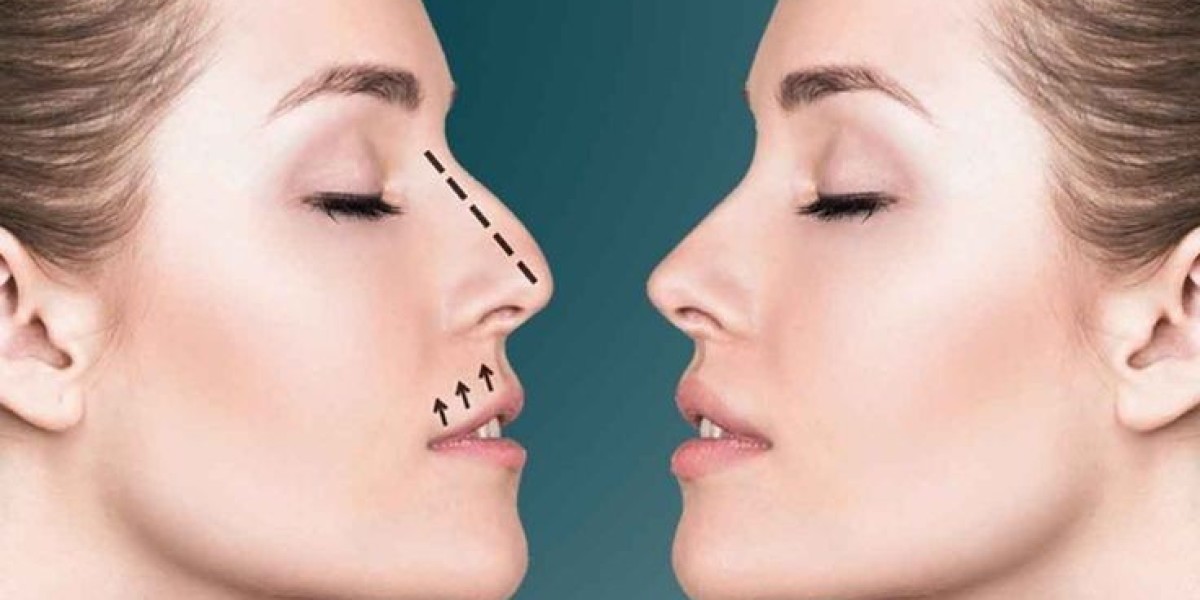

In the ever-evolving world of aesthetic medicine, the year 2026 has marked a significant turning point for facial surgery in Saudi Arabia. The "over-operated" look of previous decades has been replaced by a sophisticated demand for subtlety, facial harmony, and structural integrity. For those considering Rhinoplasty in Riyadh, the focus is no longer just on changing the shape of the nose, but on enhancing one’s natural beauty using the most advanced medical technologies available today.
The capital city has become a global magnet for patients seeking high-precision procedures that offer faster recovery times and undetectable results. This guide explores how modern technology is reshaping the patient experience and why natural outcomes are the gold standard for 2026.
The Shift Toward "Preservation Rhinoplasty"
In 2026, the leading trend in Saudi Arabia is Preservation Rhinoplasty. Unlike traditional methods that often involve removing significant amounts of bone and cartilage, preservation techniques focus on maintaining the nasal bridge and internal structures.
By working "under the hood," surgeons can lower a dorsal hump or refine a tip by modifying the underlying framework rather than cutting away the surface. The benefits are clear:
Minimal Scarring: Often performed through "closed" incisions inside the nostrils.
Structural Strength: The nose maintains its natural strength, reducing the risk of long-term collapse.
Authentic Appearance: The results look like the nose you were born with, only better.
High-Tech Tools Redefining the Surgery
The precision seen in Riyadh’s top surgical suites is powered by two main technological pillars: Piezoelectric surgery and 3D Simulation.
1. Ultrasonic (Piezo) Rhinoplasty
Gone are the days of the traditional "hammer and chisel" approach. In 2026, Rhinoplasty in Riyadh is frequently performed using the Piezotome. This device uses ultrasonic vibrations to specifically target bone tissue while leaving soft tissues, skin, and blood vessels completely unharmed.
Reduced Trauma: Significantly less bruising and swelling around the eyes.
Precision Sculpting: Allows for "millimeter-perfect" adjustments to the nasal bridge.
Faster Healing: Most patients can return to their professional lives in Riyadh within just 7 to 10 days.
2. 3D Facial Mapping and Simulation
Before the first incision is ever made, patients now participate in an interactive design session. Using high-resolution VECTRA 3D imaging, surgeons create a digital twin of the patient’s face. This allows you to:
Visualize potential outcomes from every angle.
Ensure the new nose matches your chin, forehead, and cheekbones.
Align your expectations with the surgeon's plan to eliminate "post-op surprises."
Ethnic Rhinoplasty: Respecting Identity
Riyadh is a melting pot of cultures, and the city’s surgeons are world-renowned for their expertise in Ethnic Rhinoplasty. The goal in 2026 is to celebrate cultural heritage rather than erasing it.
Middle Eastern nasal anatomy often features thicker skin or a more delicate cartilage tip. Modern tech allows surgeons to provide the necessary support—often using autologous grafts (using the patient's own tissue)—to ensure the tip stays defined and lifted for decades to come. This "bespoke" approach ensures that the nose looks harmonious with the patient's unique facial proportions.
The Recovery Experience in 2026
Recovery has been completely transformed by modern protocols. In addition to the gentle Piezo technique, many clinics now utilize Regenerative Aesthetics as part of the healing process. This includes:
Exosome Therapy: Applied topically or injected to speed up tissue repair and reduce redness.
Platelet-Rich Plasma (PRP): Used to minimize internal scarring and promote healthy skin attachment.
Internal Splints: Lightweight, breathable silicone splints have replaced the uncomfortable nasal packing of the past, allowing patients to breathe through their nose immediately after surgery.
Safety and Regulation
The Saudi Ministry of Health maintains some of the strictest standards globally for cosmetic surgery. In 2026, all facilities offering Rhinoplasty in Riyadh must adhere to rigorous safety audits. Patients are encouraged to choose surgeons who are not only board-certified but also specialize specifically in "Facial Plastic Surgery" to ensure they are benefiting from the latest technical refinements.
Conclusion: Why Choice Matters
As we navigate through 2026, the intersection of art and science has made nasal surgery more predictable and rewarding than ever before. Whether you are looking to correct a breathing issue or refine your profile, the key to a successful outcome lies in choosing a clinic that embraces these modern innovations. For those seeking a blend of luxury, safety, and world-class expertise, the Aesthetic Clinic Riyadh remains a leading destination. By prioritizing natural-looking results and patient-centric care, they help individuals achieve a balanced look that feels both new and authentically theirs.