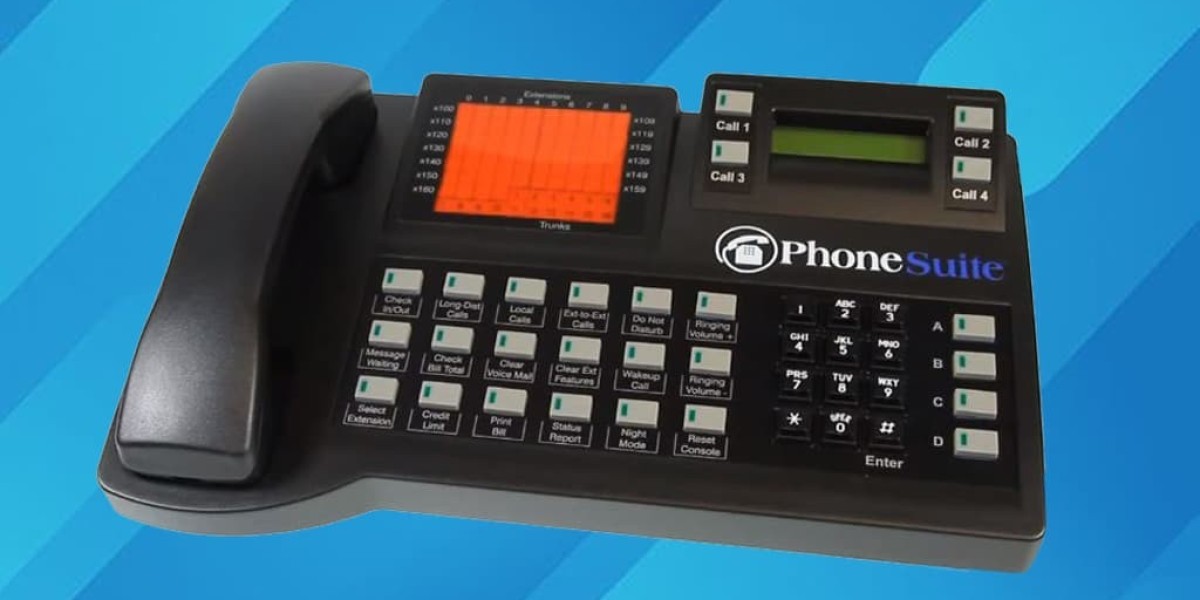

As we move further into 2026, the hospitality industry continues to evolve at a rapid pace. From AI-driven guest services to seamless mobile integration, hotels are investing in technology that enhances both guest experiences and operational efficiency. One technology that remains at the heart of hotel operations is the hotel phone system.
While mobile apps and messaging platforms have grown popular, a modern hotel phone system remains indispensable. However, not all phone systems are created equal. To deliver exceptional service and stay competitive, hotels need systems with the right features. Here’s a look at the key features every hotel phone system should have in 2026.
1. VoIP and Cloud-Based Connectivity
Traditional analog phone systems are becoming obsolete. Modern VoIP (Voice over Internet Protocol) and cloud-based systems provide scalability, reliability, and cost efficiency.
VoIP systems allow hotels to:
Reduce call costs
Easily expand as the hotel grows
Integrate with other software like PMS (Property Management Systems)
Cloud-based systems also offer remote management capabilities, allowing IT teams to monitor and troubleshoot issues without being on-site.
2. PMS Integration
Integration with the Property Management System (PMS) is essential for smooth operations. When a phone system is connected to the PMS, front desk staff can:
Automatically log guest calls
Charge in-room calls directly to guest accounts
Access guest preferences to provide personalized service
This integration improves efficiency, reduces errors, and enhances the overall guest experience.
3. Automated Wake-Up Calls and Notifications
Wake-up calls remain a classic hotel service, but modern systems take it further with automation and personalization. Guests can schedule calls, receive reminders, or even opt for voice or text notifications via in-room phones or mobile apps.
Automated systems ensure that services are consistent, timely, and reliable—critical factors for guest satisfaction.
4. Advanced Call Routing and Queuing
In busy hotels, efficient call handling is crucial. Advanced call routing and queuing features allow:
Directing calls to the correct department instantly
Prioritizing emergency calls
Managing high call volumes without frustrating guests
Proper routing ensures that guests reach the right person quickly, enhancing both service quality and operational efficiency.
5. Voicemail and Messaging
A modern hotel phone system should include voicemail and messaging options. Voicemail allows guests to leave messages for staff, while internal messaging enables seamless communication between departments.
Some systems also offer features like:
Message-to-email forwarding
Voicemail transcription
Centralized message management
These capabilities reduce missed communications and improve response times.
6. Emergency and Safety Features
Guest safety is paramount. The best hotel phone systems in 2026 include emergency features such as:
One-touch emergency dialing
Automated alerts to security or management teams
Integration with fire alarms and building management systems
These features ensure rapid response during emergencies, giving both guests and staff peace of mind.
7. Analytics and Reporting
Data-driven insights are a competitive advantage. Modern hotel phone systems provide detailed analytics and reporting, such as:
Call volume statistics
Response times
Staff performance metrics
These insights help hotel management identify inefficiencies, optimize staffing, and improve overall service quality.
8. Mobile Integration
Even with in-room phones, mobile integration is increasingly important. Many hotels now allow guests to use their smartphones to:
Place in-room calls
Request services
Receive notifications
This feature combines the reliability of a hotel phone system with the convenience of mobile communication.
Final Thoughts
A hotel phone system in 2026 is more than just a tool for making calls—it’s a comprehensive communication hub that supports guest satisfaction, staff efficiency, and safety. By investing in a system with VoIP connectivity, PMS integration, automated services, advanced call routing, emergency features, and analytics, hotels can stay ahead in a competitive market.
Modern hotel phone systems bridge the gap between traditional hospitality and the digital age, ensuring that every guest experience is seamless, responsive, and memorable.