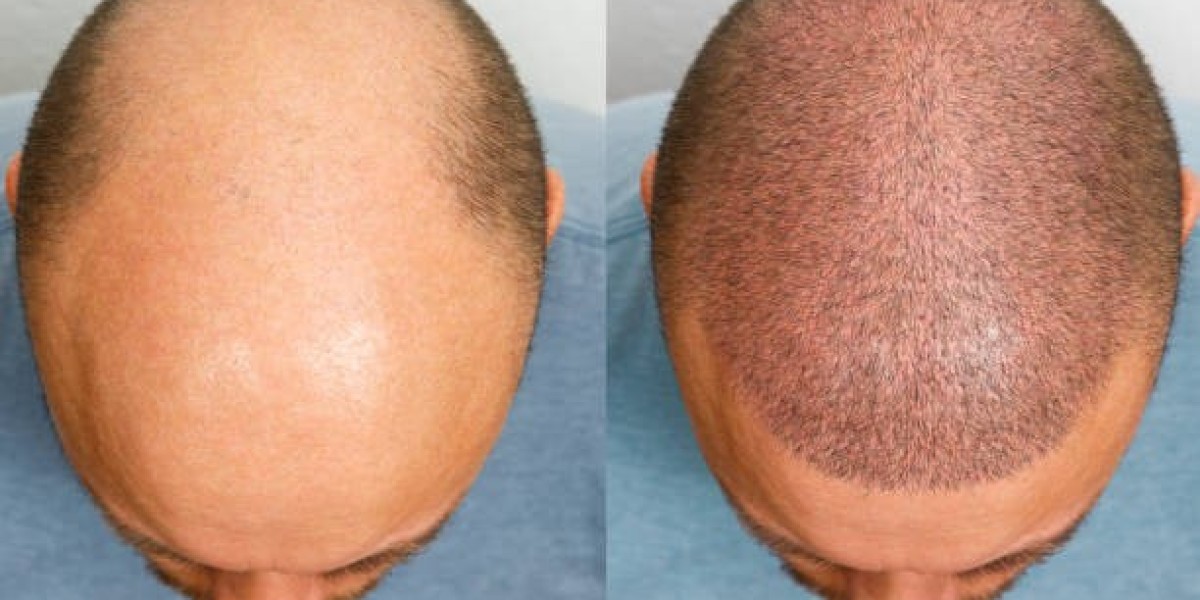

Recovering from a hair transplant marks the exciting start of your hair restoration journey. Many people worry about how daily routines will change after the procedure, but the good news is that life quickly returns to normal with the right habits. This guide dives into practical tips, Hair transplant Riyadh(زراعة شعر الرياض) timelines, and adjustments to make your post-op days smooth and effective. You'll learn how to care for your scalp, resume activities, and enjoy growing confidence as new hair emerges.
Understanding these routines helps prevent complications and maximizes results. From washing your hair to exercising, every step builds toward natural-looking growth. Stick around to discover engaging ways to integrate these into your lifestyle without stress.
Immediate Post-Procedure Care
Right after surgery, your scalp needs gentle handling to protect fragile grafts. Surgeons typically cover the area with a bandage for the first day, so rest is key—lounge at home with elevated head position to reduce swelling. Avoid touching the transplanted zone; it's like nurturing a fresh garden bed.
Hair transplant in Riyadh offers advanced techniques that minimize downtime, allowing quicker adaptation to routines. Sleep with a neck pillow to prevent rubbing, and stick to prescribed pain meds or ice packs for comfort. Hydrate plenty and eat light, nutritious meals to fuel healing.
Washing and Scalp Hygiene Routine
Start gentle washing around day 3, using lukewarm water and baby shampoo as directed. Pat dry with a soft towel—never rub—to avoid dislodging grafts. This routine prevents infection while keeping your scalp clean.
By week 2, introduce a mild, sulfate-free shampoo daily. Massage lightly with fingertips, focusing on non-transplanted areas first. Imagine it as a spa treatment for your scalp, promoting blood flow without irritation. Consistency here leads to shinier, healthier regrowth.
Diet and Nutrition for Optimal Growth
Fuel your new follicles with a nutrient-rich diet from day one. Protein-packed foods like eggs, fish, and nuts supply keratin building blocks, while biotin-rich avocados and spinach boost strength. Think of your meals as supercharged fertilizers for hair.
Incorporate anti-inflammatory options such as berries and turmeric to curb swelling. Stay hydrated with 8-10 glasses of water daily, avoiding caffeine and alcohol initially. Track progress with a food journal—users often report thicker growth from these simple swaps.
Exercise and Physical Activity Guidelines
Light walking resumes after 48 hours, easing back into fitness without strain. Hold off on gym workouts, swimming, or heavy lifting for 2-4 weeks to protect grafts from sweat and pressure. Picture your scalp as a healing canvas—gentle movement aids circulation.
Post-week 4, gradually reintroduce cardio and weights, always showering immediately after. Yoga or Pilates shine here, offering low-impact ways to stay toned. Many find this phased approach reignites energy levels faster than expected.
Work and Social Life Adjustments
Most return to desk jobs within 5-7 days, sporting a loose hat for discretion. Explain minimally to colleagues—"just a minor procedure"—to ease curiosity. Virtual meetings help during the initial redness phase.
Socially, skip pools or saunas for a month, but enjoy dinners out by week 2. Confidence builds as scabs shed, revealing baby hairs. Engage friends with your story; it turns recovery into an inspiring chat starter.
Sleep and Nighttime Habits
Prioritize 7-9 hours nightly, propping your head at 45 degrees for the first week to minimize puffiness. Use silk pillowcases to reduce friction—far gentler than cotton.
Hair transplant in Riyadh patients rave about quicker adaptation thanks to expert post-op guidance. Develop a wind-down ritual: dim lights, no screens, perhaps herbal tea. Quality sleep accelerates follicle activation, turning nights into growth powerhouses.
Styling and Grooming Tips
Wait 3 weeks for initial styling, using wide-tooth combs on existing hair only. By month 3, soft brushes work wonders as transplants anchor. Experiment with matte products to blend areas seamlessly.
Embrace the "messy look" phase—it's temporary and adds character. Pro tip: Sea salt sprays add texture without weighing down new growth. Users love how these tweaks make styling fun again.
Handling Itching and Discomfort
Itching peaks around day 10 as scabs heal—resist scratching by tapping lightly or using cool compresses. Over-the-counter antihistamines soothe without drowsiness.
Moisturize with approved lotions to lock in hydration. View discomfort as a sign of progress; many compare it to a mild sunburn. Journaling symptoms helps track improvement, keeping motivation high.
Monitoring Progress and Red Flags
Snap weekly photos under consistent lighting to witness transformation. Expect shedding at 2-4 weeks—it's normal, paving way for robust phase 2 growth around month 4.
Watch for excessive redness, pus, or unrelenting pain—contact your surgeon promptly. Celebrating milestones, like first visible hairs, keeps the routine engaging.
Long-Term Maintenance for Lasting Results
By month 6, integrate minoxidil if recommended, alongside sun protection via hats. Annual check-ins ensure density stays optimal.
Lifestyle tweaks like stress management via meditation sustain gains. Imagine your hair transplant in Riyadh as a lifelong investment—nurture it for enduring vibrancy.
Ready to start your journey? Book an appointment consultation clinic like 'Enfield Royal Riyadh(إنفيلد رويال الرياض)' for personalized advice.
FAQs
How soon can I wash my hair after a hair transplant?
Gentle washing starts day 3 with baby shampoo—pat dry to safeguard grafts.
When is it safe to resume exercise post hair transplant?
Light walks after 48 hours; full workouts after 4 weeks to avoid graft displacement.
Does hair shedding happen after hair transplant?
Yes, around weeks 2-4—it's temporary, with new growth kicking in by month 4.
Can I wear hats after hair transplant surgery?
Loose hats okay after day 5; avoid tight ones for 2 weeks to prevent pressure.
How long until full hair transplant results show?
Visible changes by month 3, full density by 12-18 months with proper care.