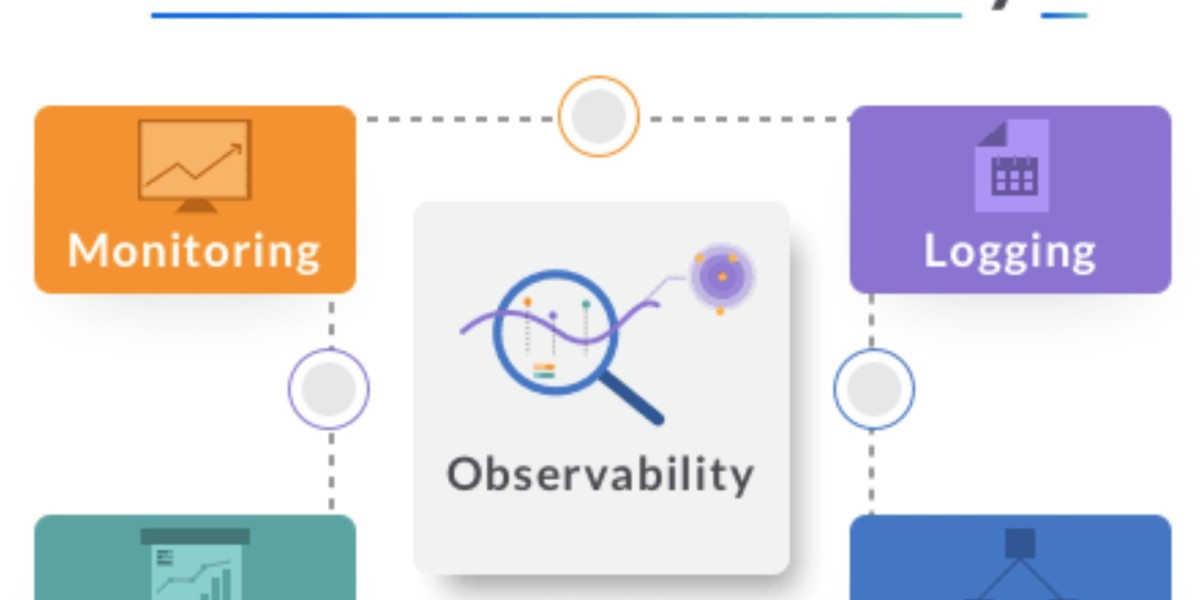

The Observability Tools and Platforms Market - analysis has emerged as a cornerstone for enterprises striving to achieve digital excellence. Observability provides a 360-degree view of applications, infrastructure, and services, helping organizations identify issues before they escalate. In 2024, this market was estimated at 23.62 USD Billion, showcasing robust adoption across global businesses seeking real-time insights and operational efficiency.
Projected growth from 28.18 USD Billion in 2025 to 164.32 USD Billion by 2035 indicates the increasing significance of observability platforms in enterprise IT strategies. The compound annual growth rate of 19.28% is fueled by the growing complexity of IT ecosystems and the need for real-time visibility across distributed environments. Cloud-native applications, containerization, and microservices architecture are key technological trends driving demand for observability solutions.
The market’s expansion is underpinned by the integration of AI and ML technologies. These innovations enable predictive monitoring, automated anomaly detection, and intelligent root cause analysis, ensuring uninterrupted digital services. Companies investing in observability tools can not only prevent outages but also optimize resource allocation, improve performance, and enhance customer experiences. Multi-cloud adoption and hybrid IT environments further amplify the need for comprehensive observability solutions that seamlessly integrate across platforms.
Vendors are continuously enhancing their offerings with real-time dashboards, analytics, and alerting mechanisms, enabling IT teams to proactively respond to potential issues. The market is also witnessing increased competition, with providers emphasizing scalability, user experience, and security features. Partnerships between cloud service providers and observability vendors are further driving market growth, allowing for more integrated and reliable solutions.
However, challenges such as high implementation costs and data management complexities persist. Organizations are increasingly relying on managed observability services to mitigate these hurdles. Moreover, regulatory compliance and cybersecurity concerns remain critical factors influencing adoption patterns across sectors like healthcare, finance, and government.
The future outlook for the Observability Tools and Platforms Market points to continued innovation in AI-driven analytics, predictive intelligence, and cross-platform interoperability. Businesses leveraging these solutions will gain significant competitive advantages by minimizing downtime, improving operational efficiency, and ensuring exceptional user experiences.
Top trend Reports: