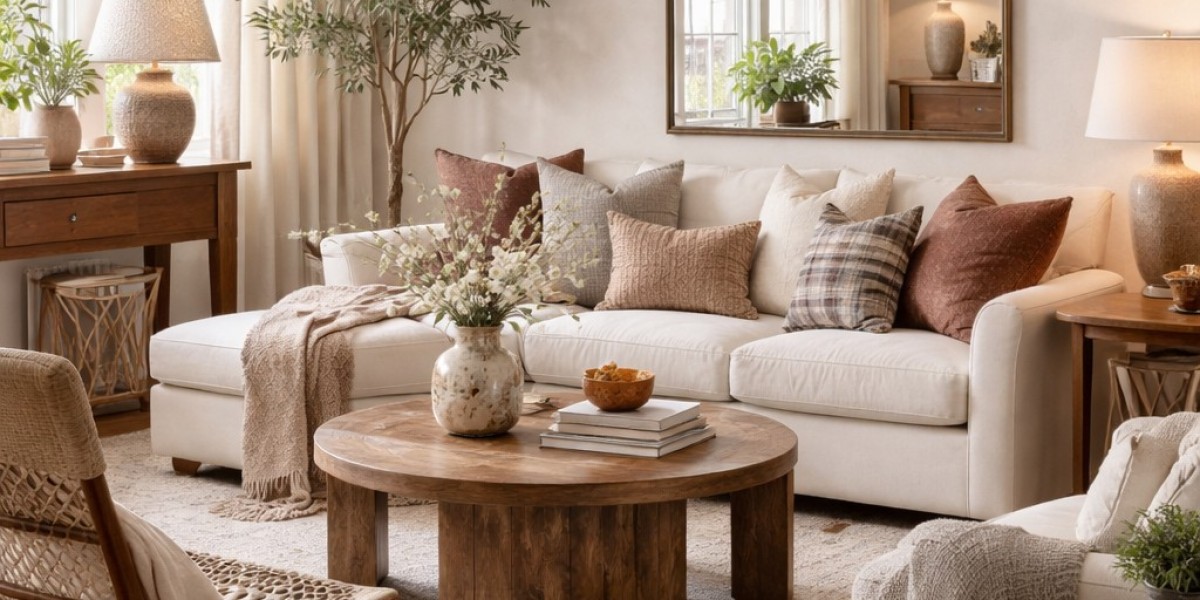

Living room furniture has a way of telling quiet stories. It speaks through placement, through texture, through the way pieces sit beside one another and share space. Walk into a room that feels complete and there is usually more going on than a single sofa and a table placed neatly in front. There is depth that pulls you in. There is dimension that keeps your eyes moving without feeling busy. Layering furniture is often the reason, even if it was never planned as a design concept. It grows naturally when people choose pieces that reflect how they live, how they relax, and how they welcome others into their homes.
Layering is not about adding more for the sake of filling space. It is about allowing furniture to create a sense of rhythm. A room feels flatter when everything sits on the same visual plane. It feels alive when heights vary, when textures shift, and when furniture feels collected over time rather than purchased all at once. This approach mirrors real homes rather than showrooms, and it brings warmth that photographs never fully capture.
When a Living Room Starts to Feel Like a Place, Not a Setup
There is a noticeable difference between a living room that looks arranged and one that feels lived in. The first often relies on symmetry and matching sets. The second carries personality. Layering furniture helps bridge that gap. A main sofa anchors the space, but it rarely carries the room alone. Chairs sit slightly angled, side tables appear where hands naturally reach, and a bench or ottoman waits quietly nearby, ready to serve more than one purpose.
Depth comes from allowing furniture to overlap visually. A coffee table partially tucked under a sofa edge or a chair positioned just forward of the rug line can make the room feel fuller without feeling crowded. These small shifts create a sense of movement. The room stops feeling like a flat photograph and starts feeling like a place meant to be used throughout the day.
The Role of Sofas and Seating in Visual Depth
Most living rooms begin with a couch, but the magic happens when that couch is not treated as the only voice in the room. Many homes now blend traditional sofas with Futon Sofa Beds, especially in spaces that double as guest areas. A futon placed opposite a standard sofa introduces a different profile and purpose. One is permanent and grounding. The other suggests flexibility. Together, they add visual contrast while supporting real daily needs.
Couches For sale often look similar online, yet once placed inside a room, their differences become clear. A low backed couch paired with a taller accent chair adds vertical balance. A deep seated sofa paired with a slimmer bench creates variation in scale. These combinations give the eye places to pause, which is essential for dimension.
Texture as the Quiet Layer You Always Feel
Texture is one of the most overlooked elements in furniture layering, yet it shapes how a room feels more than people realize. Smooth upholstery next to textured wood, metal frames beside soft cushions, and matte finishes alongside subtle sheen all contribute to depth without relying on color alone.
A living room filled with furniture in the same material often feels flat, even if the layout is correct. Mixing textures creates a subtle dialogue between pieces. A plush sofa feels more inviting when paired with a structured side chair. A sleek coffee table gains warmth when surrounded by softer seating. This balance is what makes a space comfortable rather than cold.
Furniture for sale today offers endless material options, but layering works best when choices feel intentional rather than trend driven. Homes benefit from pieces that age well together, even as tastes shift.
Chairs That Add More Than Seating
Chairs often act as the supporting cast in a living room, yet they play a major role in adding dimension. A single chair can soften a corner or complete a conversation area. When paired thoughtfully, chairs introduce depth by breaking the straight lines formed by sofas.
Some homeowners even borrow ideas from other spaces. Dining Room Chairs occasionally find their way into living rooms, especially when they carry sculptural shapes or upholstered comfort. Positioned near a window or beside a bookshelf, they add a sense of layering that feels personal rather than planned.
Chairs placed slightly off axis from the sofa also prevent the room from feeling static. They suggest movement and flexibility, making the space feel adaptable to different moments, whether it is a quiet evening or a full gathering.
Tables, Surfaces, and the Space Between
Tables play a quiet but essential role in layering furniture. Coffee tables, side tables, and console tables add horizontal planes that anchor seating. The key lies in variation. When every surface sits at the same height, the room loses depth. A lower coffee table paired with taller side tables creates a gentle rise and fall that feels natural.
Spacing matters just as much as the tables themselves. The negative space between furniture pieces allows the eye to rest. Layering does not mean filling every inch. It means choosing where pieces come close and where they pull back. This balance is often what separates thoughtful living rooms from crowded ones.
Rugs and the Foundation of Layered Spaces
A rug often acts as the canvas upon which furniture layering unfolds. It defines boundaries and allows furniture to interact within a shared zone. When a sofa, chair, and table all touch the same rug, even slightly, they visually belong together. This connection creates depth by anchoring multiple layers to a single base.
Layering furniture without considering the rug often results in pieces that feel disconnected. A properly sized rug brings cohesion and allows furniture to overlap without confusion. The room feels grounded, which is essential for comfort.
Storage Pieces That Add Weight Without Noise
Storage furniture such as media units, bookcases, or sideboards contributes to depth when handled with restraint. These pieces often sit against walls, adding visual weight that balances the openness of seating areas. A low console beneath a television can ground the room, while a tall shelving unit adds vertical interest.
When storage pieces feel too dominant, the room can become heavy. When they are chosen thoughtfully, they support the layered look without drawing attention away from seating. The goal is harmony, not competition.
Layering for Real Life, Not Just Appearance
The most successful layered living rooms are those that support daily routines. A room that looks beautiful but feels awkward to use will never truly feel complete. Layering furniture should reflect how people move through the space, where they sit, and where they rest items throughout the day.
Futon Sofa Beds illustrate this balance well. They serve a practical purpose while adding another seating layer. A bench that holds throws or an ottoman that doubles as a table adds function without clutter. These choices allow the room to adapt naturally.
Furniture for sale can be tempting when trends shift, but longevity comes from selecting pieces that layer well over time. A room built gradually often feels richer than one furnished all at once.
How Layered Spaces Age Gracefully
Layering allows living rooms to evolve. New pieces can be added without disrupting the overall feel. A new chair or table finds its place within existing layers, rather than forcing a complete redesign. This flexibility supports long term comfort and personal expression.
Homes change as people do. Furniture that layers well adapts to those changes. It supports different seasons of life without losing its sense of balance.
Conclusion
Layering furniture is less about rules and more about awareness. It invites depth through placement, texture, and purpose. A living room shaped this way feels welcoming without trying too hard. It reflects daily life rather than design trends. Over time, these layered spaces become more comfortable, more personal, and more meaningful. They offer longevity not just in durability, but in how they continue to support the way people live, gather, and rest.
FAQs
Why does my living room feel flat even with good furniture?
This often happens when all pieces sit at similar heights or use the same materials. Layering different furniture types adds depth and visual interest.
Can small living rooms benefit from furniture layering?
Yes. Layering is about placement and balance, not size. Even compact spaces feel richer when furniture overlaps thoughtfully.
Is mixing different seating styles a good idea?
It often is. Combining sofas with chairs or Futon Sofa Beds creates contrast and makes the room feel more adaptable.
Do dining chairs really work in living rooms?
They can. Dining Room Chairs with comfortable designs or upholstered finishes often add character when used creatively.
How do I know when my living room has too much furniture?
If movement feels restricted or the room feels heavy, it may need editing. Layering works best when space still feels open.
Should I replace everything at once to achieve a layered look?
Not at all. Layered living rooms usually grow over time, allowing furniture to blend naturally and age well together.