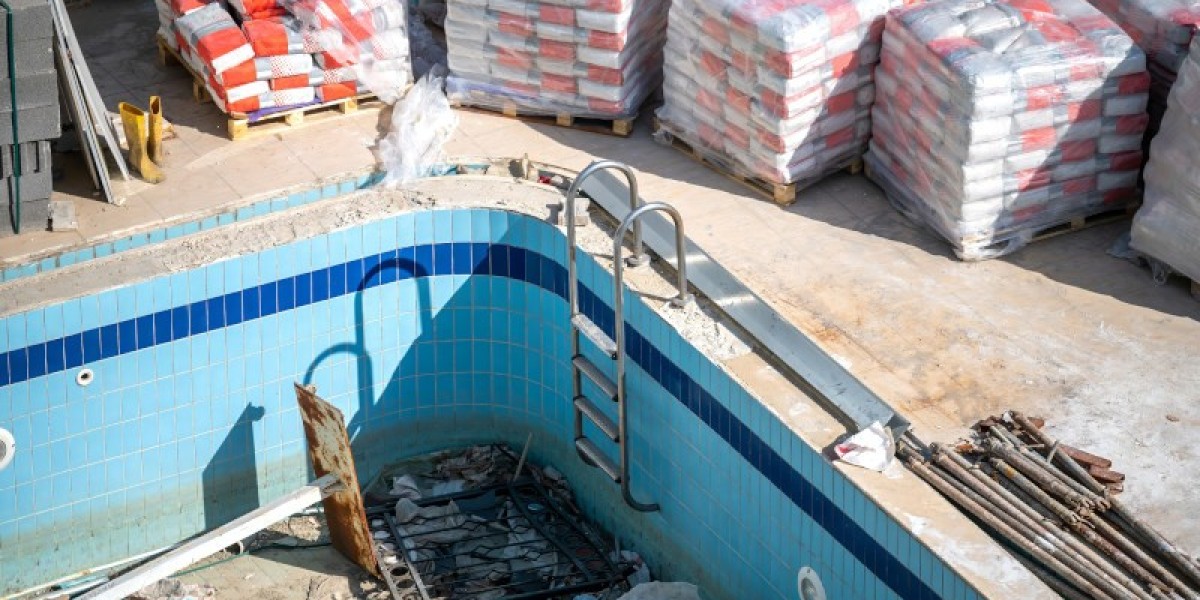

Pool replastering is an essential part of long-term pool maintenance, especially for homeowners in Charlotte, NC, where weather conditions and seasonal use can take a toll on pool surfaces. Knowing when to replaster your pool can help you avoid costly repairs, extend the life of your pool, and keep it looking beautiful year-round. Below, we’ll break down the best timing, warning signs, and local factors that determine the right time for pool replastering in Charlotte.
Understanding Pool Replastering
Pool replastering involves removing the old, worn plaster surface and applying a new finish to restore the pool’s appearance and structural integrity. Over time, plaster naturally deteriorates due to chemical exposure, water balance issues, UV rays, and regular use. In Charlotte’s humid climate, this process can happen faster than many pool owners expect.
On average, traditional pool plaster lasts between 7 and 12 years, while premium finishes like quartz or pebble may last longer. However, lifespan varies depending on maintenance, water chemistry, and environmental conditions.
Signs Your Pool Needs Replastering
One of the clearest indicators that it’s time for replastering is visible surface damage. If you notice rough or gritty areas, discoloration, cracks, or stains that won’t come off with cleaning, your plaster may be reaching the end of its lifespan. These rough spots can be uncomfortable for swimmers and may even cause minor cuts or scrapes.
Another common sign is persistent algae growth. Worn plaster becomes porous, making it easier for algae and bacteria to cling to the surface. If you’re constantly battling algae despite proper chemical balance, replastering may be the solution.
Water loss can also signal plaster problems. While small evaporation is normal, cracks or deteriorating plaster can lead to leaks that worsen over time. Addressing these issues early through replastering can prevent structural damage to your pool shell.
Best Season for Pool Replastering in Charlotte, NC
Timing your pool replastering project around Charlotte’s seasons is critical. Spring and early fall are generally considered the best times for replastering. During these months, temperatures are mild, humidity is manageable, and weather conditions are more predictable—ideal for proper plaster curing.
Summer replastering is possible, but it requires careful planning. High heat can cause plaster to dry too quickly, which may lead to cracking or surface imperfections if not handled by experienced professionals. On the other hand, winter replastering is less common due to cooler temperatures, which can slow curing and increase the risk of delays.
Many Charlotte homeowners choose to replaster in early spring so their pool is ready for peak swimming season. Fall replastering is also popular, allowing the pool to cure properly during cooler months and be fully prepared by the following summer.
How Charlotte’s Climate Impacts Replastering Timing
Charlotte’s climate features hot summers, mild winters, and frequent rain, all of which influence pool plaster durability. High humidity and heavy rainfall can accelerate plaster wear, especially if water chemistry isn’t consistently balanced.
Rain can also disrupt replastering schedules. Moisture during the application or curing process can affect adhesion and finish quality. That’s why working with a local pool replastering company familiar with Charlotte’s weather patterns is essential. They know how to plan projects around rain forecasts and seasonal humidity levels.
Replastering Before Problems Get Worse
Waiting too long to replaster can turn minor cosmetic issues into major structural problems. Small cracks can expand, stains can deepen, and rough surfaces can worsen over time. In severe cases, neglected plaster damage can affect the pool shell itself, leading to much more expensive repairs.
If your pool is approaching the 8–10 year mark and showing early signs of wear, it’s often smarter to replaster proactively rather than waiting for visible damage to worsen.
Planning Around Your Pool Usage
Another important factor is how often you use your pool. If your pool is a centerpiece for family gatherings, parties, or rental properties, scheduling replastering during the off-season minimizes disruption. Replastering typically takes one to two weeks, including curing time, so planning ahead ensures minimal inconvenience.
For homeowners who use their pools less frequently, timing may be more flexible. However, delaying replastering simply because the pool isn’t used often can still lead to long-term damage.
Choosing the Right Time Financially
Replastering is an investment, and timing can sometimes impact cost. Off-season projects, particularly in late fall or winter, may offer more flexible scheduling or potential savings. Additionally, addressing plaster issues early often costs less than waiting until damage becomes extensive.
Regular inspections by a professional pool contractor can help you budget and plan for replastering before it becomes urgent.
Final Thoughts
The right time for pool replastering in Charlotte, NC depends on several factors: the age of your plaster, visible wear and tear, seasonal weather, and how you use your pool. Spring and fall are typically ideal, but the most important consideration is addressing problems before they escalate.
If you notice rough surfaces, stubborn stains, cracks, or ongoing maintenance issues, it’s likely time to consult a local pool replastering professional. Timely replastering not only restores your pool’s appearance but also protects your investment and ensures safe, enjoyable swimming for years to come.