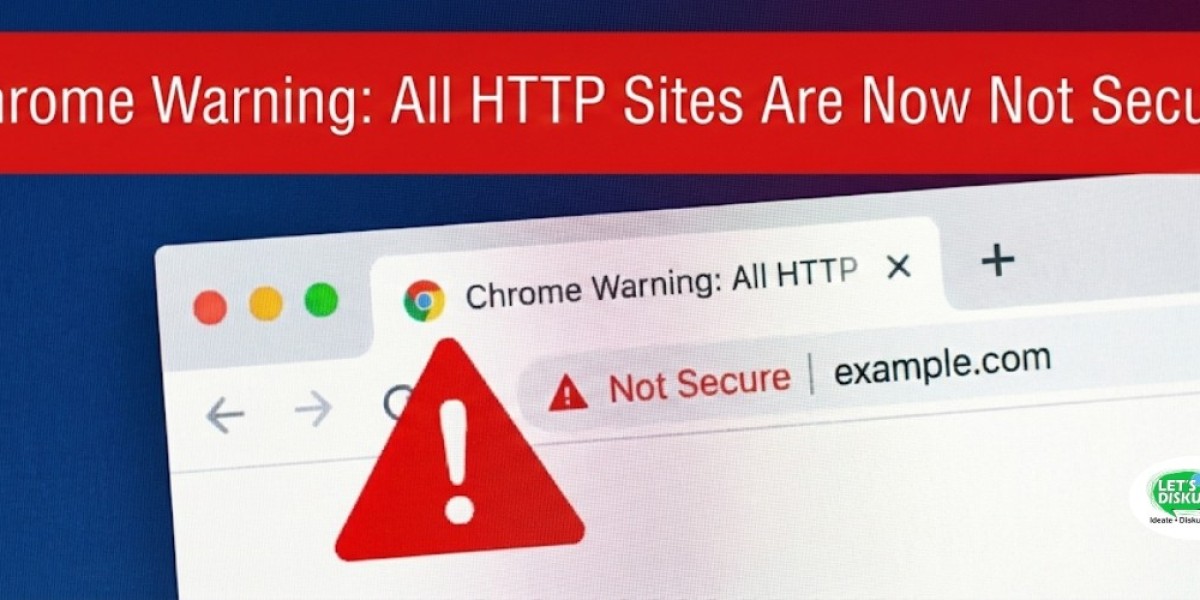

If you open your site and Chrome shows a Not Secure message, the most likely cause is a clear problem: ssl certificate missing. That single issue can scare visitors away, hurt conversions, and damage search visibility. This guide focuses on practical, human steps to find the problem and fix it without jargon.
Why an ssl certificate missing matters
An SSL certificate is what turns http:// into https:// and encrypts the data sent between a visitor and your server. When that certificate is missing, forms, passwords, and checkout pages are exposed. Browser makers like Chrome flag these sites loudly to protect users.
Key impacts of a missing certificate:
Immediate user distrust and fewer signups or purchases.
Higher bounce rates as visitors leave at the first sign of risk.
Potential SEO decline because search engines prefer secure sites.
Possible data interception on public networks.
How to check if your SSL is missing or broken
Before making changes, confirm the issue. Here’s a quick checklist:
Visit your site and look for the lock icon in the address bar.
Use an SSL checker tool (online) to inspect certificate validity.
Open Chrome DevTools → Security tab to see detailed errors.
Check your hosting control panel for certificate status and expiry date.
If any of these checks show errors, you likely have ssl certificate missing or a misconfiguration that needs fixing.
Step-by-step fixes (simple and effective)
Here are straightforward fixes you can apply depending on your level of access.
1. Install or renew an SSL certificate
If your site lacks a certificate, get one. Many hosts include free Let’s Encrypt certificates.
If the certificate expired, renew it through your hosting panel or your Certificate Authority (CA).
Ask your host’s support team to install it if you’re unsure.
Support keyword: ssl certificate installation guide
2. Force HTTPS using redirects
Configure a 301 redirect from
http://tohttps://at the server level (Apache, Nginx) or via your CDN/host.Update canonical tags and sitemap to the HTTPS versions.
Test redirects to ensure there are no redirect loops.
Support keyword: https redirect
3. Fix mixed content issues
Mixed content happens when pages served over HTTPS still load images, scripts, or stylesheets over HTTP.
Use the browser Console (DevTools) to spot insecure resource URLs.
Replace
http://links withhttps://or use protocol-relative/relative URLs in templates.
Support keyword: mixed content error fix
4. Check intermediate certificates and the certificate chain
Sometimes the certificate is installed but the intermediate CA certificates are missing.
Use an SSL checker to confirm the full chain is present.
Install any intermediate certificates supplied by the CA.
Support keyword: ssl certificate expired fix
5. Confirm domain validation and coverage
Ensure the certificate matches your domain (with or without
www).For multiple subdomains, consider a wildcard or multi-domain certificate.
Platform-specific tips
WordPress
Use your host’s SSL tool or a trusted plugin (e.g., Really Simple SSL) to update site URLs to HTTPS.
Search and replace database entries if old
http://links remain.
E-commerce
Secure checkout pages and verify payment gateway endpoints are HTTPS.
Test checkout flow end-to-end after installing the certificate.
Static sites
Update hardcoded links in HTML files to HTTPS.
Configure server or CDN redirects and verify every page for mixed content.
How SSL/TLS actually protects users (briefly)
When a browser connects to a secure site, a TLS handshake verifies identity and negotiates an encryption key. That key scrambles data so only the browser and server can read it. This prevents eavesdroppers on public Wi-Fi from capturing login credentials, form entries, and payment details.
When to ask for professional help
If you see certificate chain errors, server misconfiguration, or have a complex multi-domain setup, reach out to:
Your hosting provider support
A qualified web developer
The Certificate Authority’s support desk
Large e-commerce sites should consider professional help, because missteps can disrupt payments.
Preventing the problem again
Once you fix a missing certificate, take steps to avoid recurrence:
Enable auto-renewal or set calendar reminders.
Use monitoring tools that alert you if the certificate nears expiry.
Keep your server, CMS, and plugins updated.
Run periodic mixed-content scans.
Consider enabling HSTS only after you confirm every page works over HTTPS (HSTS is hard to reverse).
Quick troubleshooting FAQ
Q: Chrome still shows Not Secure after installing SSL — why?
A: Often due to mixed content, caching, or missing intermediate certificates. Clear cache and re-test with an SSL checker.
Q: Can I use a free SSL?
A: Yes. Let’s Encrypt certificates are trusted by browsers and work for most sites. Paid certificates are an option for EV needs or certain enterprise features.
Q: How long until the warning disappears?
A: Usually immediately after correct installation and serving. DNS propagation and cache may cause short delays.
Final checklist
SSL installed and valid for all domains
301 redirects from HTTP to HTTPS
No mixed content in DevTools console
Intermediate certificates installed and chain verified
Auto-renew or expiry reminders in place
Fixing an ssl certificate missing problem protects your brand and restores user trust fast. With timely renewal, proper redirects, and routine checks, your site will stay secure and visitors will stop seeing that warning.