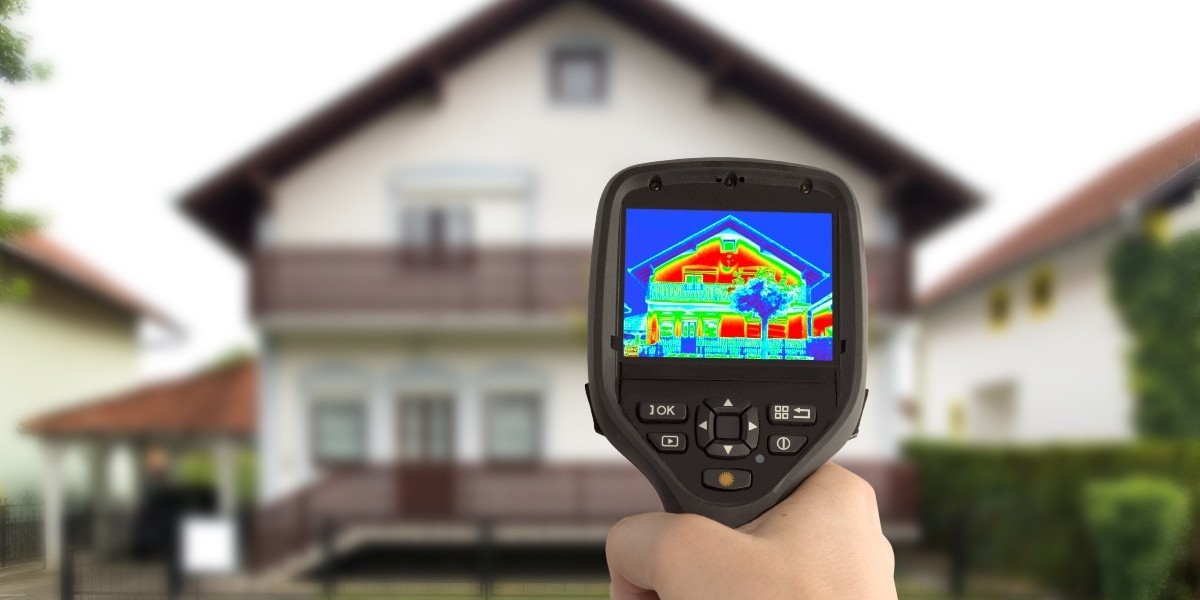

The Infrared Detector market is expanding as thermal sensing becomes essential across defense, industrial monitoring, and safety systems. Infrared detectors convert infrared radiation into electrical signals, enabling thermal imaging and temperature measurement in low-light or obscured conditions. This capability supports perimeter security, surveillance, and target acquisition in defense. In industry, infrared detectors enable predictive maintenance by identifying overheating motors, bearings, and electrical panels before failures occur. Automotive applications are growing as advanced driver assistance systems explore thermal sensors for night vision and pedestrian detection. The market also benefits from building inspections, firefighting, medical screening, and process control applications. As costs decline and sensor integration improves, infrared detection moves beyond specialist tools into embedded systems. However, performance requirements vary widely by use case, driving demand for multiple detector technologies across different wavelength bands and operating environments, from ruggedized field devices to compact consumer-grade modules.
Infrared detector technologies include cooled and uncooled sensors. Uncooled microbolometers are widely used for many thermal cameras because they are compact, lower cost, and require less power, making them suitable for handheld devices and broad industrial use. Cooled detectors—often based on materials like MCT or InSb—deliver higher sensitivity and performance in long-range and high-precision applications, especially in defense and scientific systems. Detectors also differ by spectral band: near-infrared, short-wave infrared (SWIR), mid-wave infrared (MWIR), and long-wave infrared (LWIR), each suited to different scenarios. SWIR is useful for imaging through certain obscurants and for industrial inspection, while MWIR and LWIR are common in thermal imaging for temperature and long-range detection. System design choices include pixel count, frame rate, sensitivity (NETD), and optics. Selection depends on range, temperature accuracy, response time, and operating conditions such as vibration, humidity, and thermal cycling.
Manufacturing complexity and supply chain considerations influence pricing and availability. High-performance cooled detectors require sophisticated materials, vacuum packaging, and cryocoolers, increasing cost and limiting suppliers. Uncooled sensors have benefited from improved fabrication processes and higher volume production, enabling broader adoption. Integration trends include smaller form factors, lower power consumption, and improved readout integrated circuits. Software and analytics also add value: image enhancement, automatic calibration, object detection, and temperature anomaly alerts make systems more usable and actionable. In industrial settings, combining infrared sensing with IoT connectivity enables remote monitoring and asset management. In security, thermal imaging improves detection in darkness and adverse weather, but false alarms must be managed with analytics and proper installation. Regulatory and export controls can affect defense-related detector distribution, shaping regional market dynamics and vendor strategies. Quality assurance and calibration capabilities are important for industries requiring precise temperature measurement and traceable inspection results.
Future demand will be shaped by wider integration and smarter processing. Automotive and robotics applications may accelerate adoption as thermal perception improves safety and navigation in challenging conditions. Industrial demand will continue as predictive maintenance becomes standard and as energy efficiency audits increase. In defense, ongoing modernization will sustain demand for higher resolution, longer range, and multi-sensor fusion systems. Consumer applications may grow through smartphones and smart home devices where compact thermal modules add new capabilities. As AI improves, infrared systems will increasingly provide automated alerts and classification rather than raw imagery. Buyers should evaluate detectors based on sensitivity, spectral band, reliability, and integration requirements, as well as lifecycle support and calibration services. With ongoing advances in manufacturing and processing, infrared detectors will remain foundational components for thermal imaging solutions across safety, security, industrial operations, and emerging autonomous systems worldwide.
Top Trending Reports: