
In today’s fast-moving digital world, maintaining mental focus has become a daily challenge. Constant notifications, background noise, multitasking demands, and screen exposure often leave the mind feeling scattered and overwhelmed. Many people search for natural ways to improve concentration without relying on stimulants or complex routines. One approach that has gained growing attention is audio-based focus support—specifically, the use of sound and rhythm to guide the brain into a calmer, more attentive state.
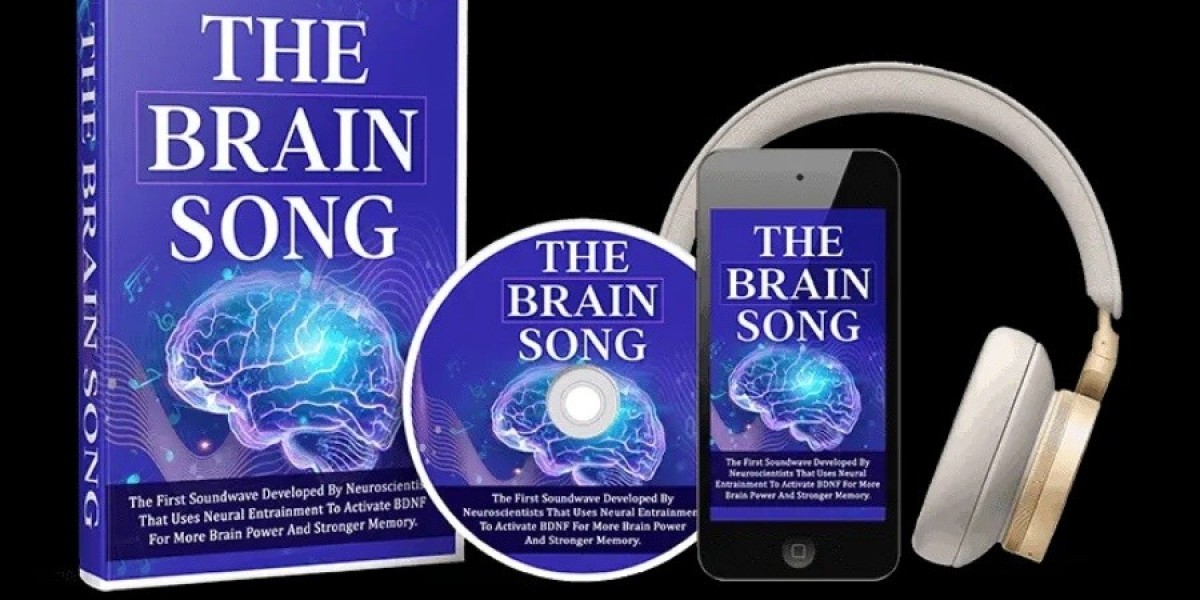
Sound is more than background entertainment. From steady rhythms to carefully designed tones, audio can influence how the brain processes information, responds to stress, and maintains attention. This blog explores the idea of the “Brain Song”—a concept centered on how sound patterns and rhythmic audio experiences may support mental focus naturally. Rather than forcing concentration, sound works gently, encouraging the brain to settle into a balanced, focused flow.
Why Focus Is So Difficult Today
Mental focus is not just about willpower. Modern lifestyles place constant demands on attention, often fragmenting it into short bursts rather than sustained clarity.
Common Factors That Disrupt Focus
Digital overload: Frequent alerts and multitasking reduce deep concentration
Stress and mental fatigue: An overactive nervous system makes calm focus harder
Irregular routines: Poor sleep and inconsistent schedules affect mental clarity
Environmental noise: Unstructured sound distracts rather than supports focus
As a result, many people look for natural methods to regain control of their attention. Sound-based solutions stand out because they work with the brain rather than against it.
What Is the “Brain Song” Concept?
The Brain Song is not a single track or genre—it’s a way of understanding how intentional sound and rhythm interact with the brain. Unlike random music or background noise, Brain Song–style audio focuses on structure, consistency, and tone patterns that encourage mental alignment.
This approach may include:
Steady rhythmic patterns
Layered tones designed for calm awareness
Audio environments that reduce mental clutter
Non-lyrical soundscapes that avoid distraction
Rather than demanding attention, Brain Song audio guides the mind toward it.
How Sound Influences the Brain
The brain is highly responsive to sound. From early development, rhythm and tone play a role in learning, memory, and emotional regulation.
Sound and Neural Activity
Sound waves stimulate the auditory system, which connects directly to areas involved in attention, emotion, and pattern recognition. When sound is structured in a predictable and soothing way, the brain often responds by reducing internal noise—such as racing thoughts—and increasing coherence.
This is why certain sounds feel grounding while others feel distracting.
Rhythm and Mental Alignment
Rhythm is especially powerful. Repetitive, steady rhythms can help the brain settle into a consistent mental pace.
Why Rhythm Matters
Encourages mental steadiness
Reduces abrupt shifts in attention
Supports sustained focus periods
Creates a sense of flow and continuity
Rhythm does not push the brain; it provides a framework that allows focus to emerge naturally.
Sound as a Natural Focus Tool
Unlike stimulants or forced productivity techniques, sound-based focus tools are non-invasive. They don’t override the nervous system—they support it.
Benefits of Audio-Based Focus Support
No ingestion or physical intervention
Can be used alongside daily activities
Flexible and customizable
Supports relaxation and alertness together
This balance is key. True focus often comes from a calm yet attentive mental state, not tension or pressure.
Types of Sounds Used for Focus
Different sound styles may support focus in different ways. The Brain Song concept often blends several elements.
Common Audio Elements
Ambient tones: Soft, continuous sounds that reduce mental distraction
Minimalist rhythms: Simple beats that guide attention without dominating it
Nature-inspired soundscapes: Promote calm awareness
Frequency-based audio: Designed to create a consistent listening experience
The goal is not stimulation, but mental organization.
How the Brain Responds During Listening
When listening to structured audio designed for focus, many people report:
Easier entry into concentration
Reduced awareness of distractions
Improved task continuity
Less mental fatigue during long sessions
These effects often build gradually with consistent listening.
When to Use Brain Song–Style Audio
One of the advantages of audio-based focus tools is flexibility. They can be used in many everyday situations.
Ideal Use Cases
Working on mentally demanding tasks
Studying or reading
Creative activities like writing or design
Light meditation or reflection
Transitioning between work and rest
Because the audio does not require active participation, it fits easily into daily routines.
Creating a Supportive Listening Environment
To get the most benefit from sound-based focus support, environment matters.
Simple Tips
Use comfortable headphones or speakers
Keep volume moderate and consistent
Minimize competing background noise
Pair listening with a clear task intention
The goal is to let sound become a supportive background—not the center of attention.
Sound vs. Silence for Focus
Some people prefer silence, but silence can sometimes amplify internal distractions like overthinking. Structured sound fills that mental space gently, offering the brain something neutral and calming to engage with.
This is why many find audio more helpful than complete quiet, especially during extended focus sessions.
Long-Term Use and Consistency
Sound-based focus support works best when used consistently. Like any wellness habit, results are often subtle and cumulative.
What to Expect Over Time
Faster transition into focused states
Less resistance to starting tasks
More stable mental energy
Improved sense of mental balance
There is no instant switch—just gradual improvement.
Who Can Benefit from Brain Song Audio?
This approach is suitable for a wide range of people.
Ideal Listeners
Busy professionals managing mental workload
Students seeking natural focus support
Creative individuals needing flow states
People sensitive to stimulants
Anyone wanting a non-invasive focus aid
Disclaimer: Audio-based focus tools support general wellness and are not a replacement for professional medical advice.
Addressing Common Misconceptions
“Isn’t this just music?”
Not exactly. Brain Song–style audio is intentionally designed to support focus, not entertain or distract.
“Do I need special training?”
No. Listening is passive and requires no prior experience.
“Can I multitask while listening?”
Yes. The audio is designed to stay in the background while you focus on your task.
Realistic Expectations
Honest expectations build trust. Audio-based focus support is not a cure-all.
It supports, not forces, concentration
Results vary by individual
Best used alongside healthy habits
Works gradually with regular use
This realistic approach makes it sustainable.
Frequently Asked Questions
Q1. Is Brain Song audio safe to use daily?
Yes. Listening to non-invasive audio at a comfortable volume is generally considered safe for daily use.
Q2. How long should I listen to notice effects?
Some people notice changes quickly, while others experience gradual benefits over days or weeks of consistent listening.
Q3. Can it be used with other wellness practices?
Yes. Audio-based focus tools can complement meditation, mindful work habits, and balanced routines.
Why Audio-Based Focus Fits Modern Life
In a world filled with visual overload, sound offers a quieter path to clarity. It doesn’t demand attention—it guides it. The Brain Song concept aligns well with modern needs: flexible, natural, and easy to integrate.
As people seek gentler ways to support mental performance, sound and rhythm provide an accessible option that respects the brain’s natural tendencies.
Final Thoughts: Listening Your Way to Focus
The Brain Song is not about pushing the mind harder—it’s about listening more intelligently. Through intentional sound and rhythm, the brain can find a steadier pace, making focus feel less forced and more natural.