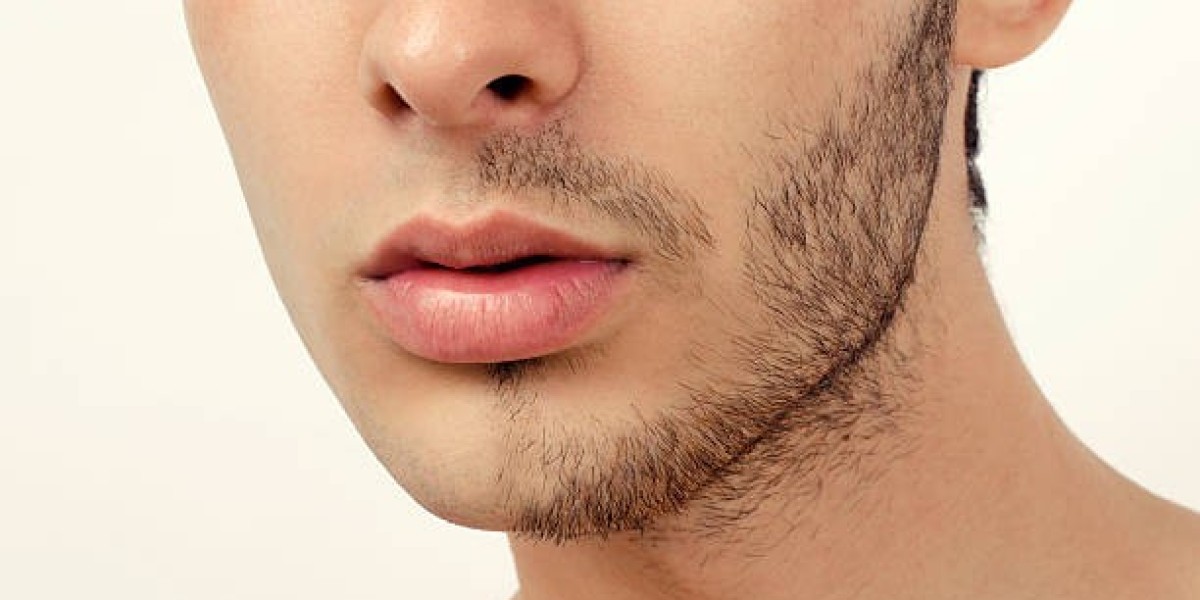

Beards have become a symbol of confidence, style, and individuality for many men today. Beard Hair Transplant in Riyadh has emerged as a refined solution for those seeking fuller, well-defined facial hair without relying on temporary fixes. This advanced procedure supports natural growth patterns, helping individuals restore balance, symmetry, and self-assurance through medically guided techniques.
Understanding Beard Hair Restoration
Facial hair restoration focuses on enhancing beard density in areas affected by patchiness, scars, or uneven growth. Rather than creating an artificial appearance, the goal is to replicate how a natural beard grows. Each follicle is placed carefully to align with existing hair direction, ensuring the final outcome looks authentic and harmonious.
Why Beard Density Matters for Facial Aesthetics
A well-shaped beard can frame the face, sharpen jawlines, and enhance overall proportions. Sparse or uneven growth may distract from facial harmony. Restoring beard density allows individuals to achieve a more balanced appearance while maintaining their personal style. The result is not just more hair, but a more confident presence.
The Science Behind Beard Hair Transplants
This procedure relies on proven hair restoration principles adapted specifically for facial hair. Healthy hair follicles are selected and transplanted into beard areas with precision. These follicles retain their natural characteristics, allowing them to grow, shed, and regenerate just like original beard hair over time.
Who Can Benefit from This Procedure
Men experiencing patchy beards, genetic thinness, or gaps caused by scarring often explore beard restoration. It is also suitable for those who have never achieved full growth naturally. A proper evaluation helps determine suitability, ensuring expectations align with realistic and sustainable outcomes.
Importance of Personalized Treatment Planning
No two faces are alike, and beard patterns vary widely. A customized approach considers face shape, hair texture, and desired density. This level of planning ensures the restored beard complements existing features rather than overpowering them, resulting in a natural and tailored appearance.
Natural Growth Patterns and Hair Direction
One of the most critical aspects of beard restoration is respecting natural growth angles. Facial hair grows differently across the cheeks, jawline, and chin. Skilled placement ensures transplanted hair blends seamlessly, preventing unnatural patterns and maintaining a realistic beard flow.
Healing and Early Adaptation Phase
After the procedure, the skin undergoes a brief healing phase. Mild redness or sensitivity may occur initially, which typically resolves as the area recovers. This phase is essential, as it allows the transplanted follicles to settle and begin adapting to their new environment.
Shedding Phase and What It Means
Temporary shedding is a normal part of the process and often surprises first-time patients. This stage indicates that follicles are entering a resting phase before producing new growth. Understanding this cycle helps manage expectations and reinforces confidence in long-term results.
Timeline for Visible Beard Growth
Beard growth appears gradually rather than overnight. Early signs typically emerge within a few months, with density improving over time. Full results often develop steadily, allowing the beard to mature naturally and integrate with existing facial hair patterns.
Styling Options After Beard Restoration
Once growth stabilizes, individuals can trim, shape, and style their beard freely. Transplanted hair behaves like natural beard hair, offering flexibility in grooming. This freedom allows men to experiment with different looks while maintaining consistent density.
Psychological Impact of Beard Restoration
Beyond aesthetics, beard restoration can positively influence self-esteem. Many individuals report increased confidence in social and professional settings. Feeling comfortable with one’s appearance often leads to improved interactions and a stronger sense of personal identity.
Safety and Medical Oversight
Medical supervision plays a vital role in ensuring safe outcomes. Proper hygiene, sterile environments, and professional monitoring minimize risks. Choosing a clinic that prioritizes patient safety ensures the procedure aligns with established medical standards and ethical practices.
Addressing Myths Around Beard Transplants
Some believe beard restoration looks artificial or requires constant maintenance. In reality, when performed correctly, results are subtle and long-lasting. Understanding the facts helps individuals make informed decisions without being influenced by outdated misconceptions.
Role of Experience and Technique
The success of a beard transplant depends heavily on expertise and technique. Precision, artistic judgment, and medical knowledge work together to create natural results. This blend of skill ensures transplanted hair integrates seamlessly into existing beard areas.
Long-Term Results and Beard Maturity
Over time, restored beards mature just like natural ones. Hair texture and thickness may evolve, creating a fuller appearance. With consistent grooming, individuals can enjoy a stable, natural-looking beard for years without additional procedures.
Cultural and Social Relevance of Beards
Beards hold cultural significance across many societies, symbolizing maturity, tradition, or personal expression. Restoring facial hair allows individuals to align their appearance with cultural preferences while maintaining a modern, refined look.
Climate and Skin Considerations
Environmental factors such as climate and skin type can influence recovery and comfort. Proper guidance helps manage dryness or sensitivity during healing, ensuring the skin remains healthy while supporting strong follicle growth.
Confidence Through Subtle Enhancement
Unlike dramatic cosmetic changes, beard restoration offers subtle enhancement. Friends and colleagues may notice improved appearance without identifying a procedure. This understated transformation often feels more authentic and personally rewarding.
Grooming Habits After Restoration
Maintaining a healthy beard involves regular cleansing, moisturizing, and trimming. Establishing good grooming habits supports skin health and highlights the natural density achieved through restoration, ensuring long-lasting satisfaction.
Understanding the Commitment Involved
While the procedure itself is structured, patience is key during the growth phase. Understanding the timeline and caring for the beard properly ensures the final outcome meets expectations and feels worth the commitment.
How Beard Restoration Aligns With Modern Aesthetics
Modern aesthetics prioritize natural enhancement over dramatic alteration. Beard restoration fits this philosophy by improving existing features rather than changing identity, allowing men to look like the best version of themselves.
Emotional Readiness and Expectations
Being emotionally prepared helps individuals navigate the gradual nature of results. Clear expectations reduce anxiety and foster satisfaction, reinforcing trust in the process and the professionals guiding it.
Subtle Differences Between Scalp and Beard Hair
Beard hair differs from scalp hair in texture and growth pattern. Understanding these differences ensures proper follicle selection and placement, contributing to realistic and consistent results across the face.
Building Trust Through Transparency
Open communication and education build trust between patients and clinics. Transparent explanations of the process, recovery, and outcomes empower individuals to make confident, informed choices.
Why Location-Specific Expertise Matters
Understanding regional skin types, grooming trends, and environmental factors enhances outcomes. Clinics familiar with local preferences can tailor treatments that feel culturally and aesthetically appropriate, especially for individuals seeking Beard Hair Transplant in Riyadh solutions.
Long-Term Satisfaction and Maintenance
Most individuals experience long-term satisfaction once growth stabilizes. Routine grooming is typically all that’s required, allowing the beard to remain consistent without ongoing medical intervention.
Integrating Beard Restoration With Personal Style
A restored beard should reflect personal style, whether subtle or bold. Thoughtful planning ensures density and shape align with individual preferences, enhancing overall appearance without compromising authenticity.
The Importance of Ethical Aesthetic Practices
Ethical practices prioritize patient well-being, informed consent, and realistic outcomes. Clinics that follow these principles build credibility and long-term trust, reinforcing positive experiences for individuals seeking beard restoration.
Future of Facial Hair Restoration
Advancements continue to refine techniques, making procedures more precise and comfortable. As methods evolve, outcomes become increasingly natural, reinforcing confidence in beard restoration as a reliable aesthetic solution.
Making an Informed Decision
Educating oneself about the process, timeline, and care requirements leads to better decisions. Knowledge empowers individuals to approach beard restoration with clarity, confidence, and realistic expectations.
Final Thoughts and Call to Action
Choosing beard restoration is a personal journey toward confidence and balance. With professional guidance and patient-centered care, natural results are achievable. If you’re exploring Beard Hair Transplant in Riyadh, Royal Clinic Saudia offers an environment focused on safety, expertise, and natural-looking outcomes. Take the next step toward a beard that truly reflects you.
FAQs:
What makes beard restoration look natural?
Natural results depend on precise follicle placement, correct growth angles, and personalized planning that matches facial structure and existing hair patterns.
How long does it take to see full beard growth?
Initial growth appears within months, while full density typically develops gradually over a longer period as follicles mature naturally.
Is beard hair restoration permanent?
Yes, transplanted follicles are designed to grow long-term, behaving like natural beard hair once fully established.
Can restored beards be styled freely?
Absolutely. Once growth stabilizes, restored beards can be trimmed, shaped, and styled just like naturally grown facial hair.