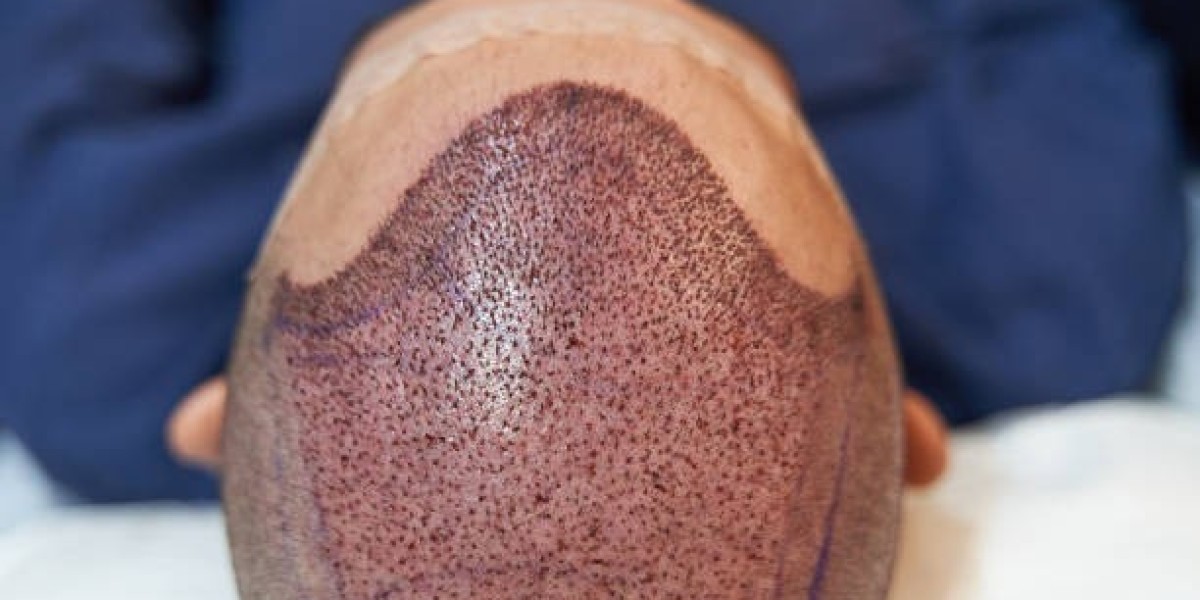

Hair loss affects millions worldwide, driving demand for effective solutions. Traditional methods have paved the way, but today's breakthroughs promise more natural, efficient results. This blog dives into the cutting-edge innovations transforming Hair transplant clinic(عيادة زراعة شعر) procedures, helping you understand what's next for restoring confidence and fullness.
From robotic precision to stem cell magic, these advancements make treatments quicker, scar-free, and long-lasting. Imagine waking up to thicker hair without the downtime of old-school surgeries. We'll explore how these changes address common pain points like recovery time and unnatural looks, empowering you to make informed choices.
Current Landscape of Hair Restoration
The hair restoration field has exploded with tech-driven options. Patients now seek minimally invasive techniques that blend seamlessly with natural growth patterns. Hair transplant in Riyadh stands out as a hub for these modern approaches, attracting those eager for reliable, high-quality outcomes.
Bold innovations like follicular unit extraction (FUE) dominate, extracting individual follicles for precise placement. This shift from strip harvesting reduces scars and speeds healing. Clinics in vibrant cities like Riyadh lead by adopting global standards, ensuring patients enjoy fuller crowns without compromise.
Robotic Precision in Hair Transplant
Robots are revolutionizing follicle harvesting. Systems like ARTAS use AI-guided arms to select and extract grafts with micron-level accuracy, minimizing human error. This means less trauma to the scalp and higher graft survival rates—up to 95% in some cases.
Picture a machine scanning your scalp in 3D, plotting the perfect angle for each follicle. Surgeons oversee, but the robot handles the grunt work, slashing procedure time by hours. For busy professionals, this efficiency translates to same-day results and back-to-work vibes in days, not weeks.
Benefits of Robotic Systems
Higher Precision: Avoids over-harvesting, preserving donor areas.
Reduced Fatigue: Robots don't tire, ensuring consistent quality.
Patient Comfort: Less manual pulling means minimal discomfort.
These perks make robotic hair transplant a game-changer, especially in tech-savvy regions.
Stem Cell and Regenerative Therapies
Stem cells are the holy grail of regeneration. By injecting activated stem cells into balding areas, clinics stimulate dormant follicles to awaken. Combined with transplants, this boosts density without needing as many grafts.
Exosomes—tiny vesicles packed with growth factors—supercharge this process. Early trials show 30% more hair regrowth than traditional methods alone. It's like giving your scalp a youthful reboot, ideal for diffuse thinning where donors are limited.
How Stem Cells Work
Stem cells multiply and differentiate, signaling follicles to produce thicker strands. Paired with PRP (platelet-rich plasma), they enhance vascularization for nourished roots. This duo promises sustained results, reducing future touch-ups.
AI and Machine Learning Integration
Artificial intelligence now predicts outcomes before surgery. Algorithms analyze scalp photos, donor density, and hair characteristics to simulate post-op looks. Apps let you "try on" your future hairline via augmented reality.
Machine learning refines graft selection, matching curl patterns and colors flawlessly. In Riyadh's advanced setups, AI dashboards guide surgeons real-time, optimizing angles for undetectable blends. This personalization turns guesswork into science.
AI-Driven Personalization
Virtual Simulations: Preview results on your phone.
Predictive Analytics: Forecast growth timelines accurately.
Custom Planning: Tailors to face shape and age.
Nanotechnology for Follicle Delivery
Nanoparticles deliver drugs directly to follicles, promoting growth pre- and post-transplant. These tiny carriers encapsulate minoxidil or finasteride, bypassing systemic side effects for targeted action.
Coated scaffolds protect grafts during implantation, mimicking the scalp's extracellular matrix. This innovation cuts rejection risks and accelerates integration. Labs are testing nano-bots for automated placement—sci-fi turning real.
Gene Editing and CRISPR Potential
CRISPR technology targets androgenetic alopecia genes, potentially editing out DHT sensitivity. Early animal studies show edited follicles resisting miniaturization indefinitely. Human trials loom, offering a one-time fix.
Paired with transplants, gene therapy could regenerate infinite donors from stem cells. Ethical discussions rage, but the promise of baldness-proof hair excites researchers worldwide.
Ethical Considerations
Balancing innovation with safety remains key. Regulatory bodies ensure trials prioritize long-term health, building trust in these frontier treatments.
3D Bioprinting Hair Follicles
Bioprinting fabricates hair-bearing skin grafts layer by layer. Using bio-inks with patient cells, printers create follicles indistinguishable from naturals. This eliminates donor needs entirely for some patients.
Prototypes already grow curly, pigmented hairs in labs. Scalability challenges persist, but within a decade, printing custom hairlines could be routine. Revolutionary for burn victims or total baldness.
Non-Invasive Alternatives on Horizon
Ultrasound and laser combos stimulate follicles without cuts. Low-level light therapy (LLLT) paired with micro-needling activates growth factors effortlessly. These complement transplants, extending results.
Wearable devices monitor progress, adjusting treatments via apps. The future blends surgery with at-home tech for holistic care.
Why Riyadh Leads in Hair Transplant Innovation
Riyadh's clinics embrace global tech, drawing experts and patients alike. State-of-the-art facilities offer these innovations under one roof, with multilingual support for international visitors. Hair transplant in Riyadh combines cutting-edge tools with skilled hands for transformative experiences.
Ready to explore? Book an appointment consultation clinic at Enfield Royal Riyadh (إنفيلد رويال الرياض) to discuss your options personalized.
Conclusion: Embrace the Future
These innovations herald a new era where hair restoration feels effortless and natural. From robots to gene edits, the horizon brims with hope for lasting fullness. Stay informed—your perfect mane awaits.
FAQs
How long do hair transplant results last?
A: With modern techniques, results are permanent as transplanted follicles resist balding hormones, thriving for life with proper care.
Is robotic hair transplant better than manual?
A: Yes, it offers superior precision, faster healing, and higher survival rates, ideal for natural-looking density.
Can stem cells replace traditional transplants?
A: Not fully yet, but they enhance results, reducing graft needs and boosting regrowth in thinning areas.
What's AI's role in hair transplant planning?
A: AI simulates outcomes, customizes designs, and predicts success, making procedures hyper-personalized.
When will bioprinted hair be available?
A: Clinical trials advance rapidly; widespread use could hit within 5-10 years for donor-free solutions.