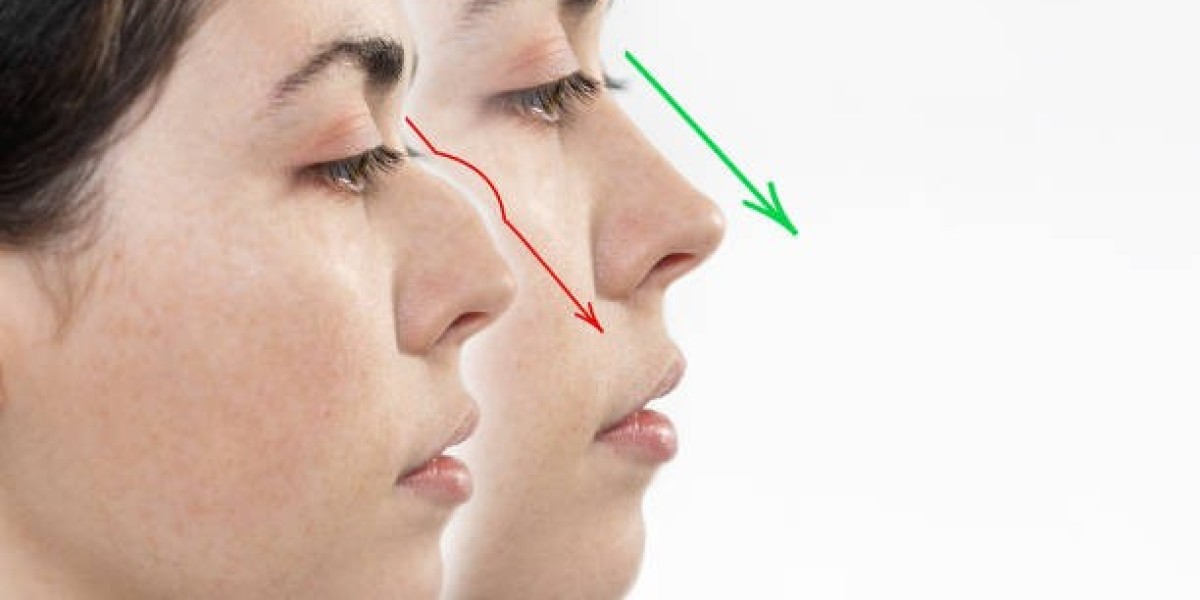

A droopy nose can subtly alter your facial harmony, making you look tired or older than you feel. This common issue often stems from aging, genetics, or previous injuries, rhinoplasty in riyadh where the nasal tip descends and loses its upward support. Many people seek solutions to regain a youthful, lifted appearance without drastic changes.
Rhinoplasty transforms droopy noses by reshaping the tip and bridge, offering natural elevation. It's not just cosmetic— it boosts confidence and improves breathing. If you're noticing a downturned tip in photos or mirrors, understanding your options starts here.
This guide dives deep into Rhinoplasty, its techniques for droopy noses, recovery realities, and what to expect, empowering you to decide confidently.
What Causes a Droopy Nose
Aging and Structural Weakness
As we age, collagen loss weakens the nasal cartilage, causing the tip to droop under gravity's pull. This gradual shift affects over 40% of adults past 40, turning a perky profile into a sagging one.
Genetics play a huge role too— some inherit soft, flexible cartilage prone to descent. Trauma from sports or accidents can weaken support structures, accelerating the droop.
Lifestyle and Environmental Factors
Sun exposure breaks down skin elasticity around the nose, worsening droopiness. Smoking restricts blood flow, hastening cartilage degradation. Allergies or chronic congestion add pressure, pushing the tip downward over time.
Recognizing these causes helps target Rhinoplasty effectively, addressing root issues for lasting lift.
How Rhinoplasty Lifts a Droopy Nose
Surgical Techniques for Tip Elevation
Rhinoplasty excels at droopy nose correction through precise cartilage grafting. Surgeons harvest cartilage from the ear or septum, building a columella strut to prop up the tip like an internal scaffold.
Open Rhinoplasty provides better visibility for complex lifts, involving a small bridge incision. Closed techniques hide all scars inside nostrils, ideal for milder droops. Both reposition tissues for a 15-30 degree upward tilt.
Advanced Methods for Natural Results
Suturing nasal domes tightens the tip, preventing future sag. Dermal grafts add volume for support. Computer imaging previews your lifted profile, ensuring personalized precision.
These innovations make Rhinoplasty safer and more predictable, with 90% patient satisfaction for droopy fixes.
Benefits of Rhinoplasty for Droopy Noses
Aesthetic and Confidence Boosts
Imagine a straighter, perkier nose framing your smile perfectly. Rhinoplasty harmonizes features, reducing that "sad" expression for a vibrant look. Patients report 80% higher self-esteem post-surgery.
It refines proportions— shortening a long droopy nose or balancing wide nostrils seamlessly.
Functional Improvements
Beyond looks, it straightens deviated septums blocking airways, easing breathing during sleep or exercise. Allergy sufferers gain relief as airflow improves.
Long-term, it prevents further drooping by reinforcing weak areas.
The Rhinoplasty Procedure Step-by-Step
Pre-Op Preparation Essentials
Consultations involve 3D scans mapping your droopy anatomy. Surgeons discuss goals, health history, and realistic outcomes. Quit smoking two weeks prior; hydrate well for optimal healing.
Day-of Surgery Details
Under general anesthesia, the 2-3 hour procedure sculpts bone and cartilage. Tiny incisions allow reshaping without visible marks. You'll wake with a splint protecting the new lift.
Post-op, gentle care begins immediately.
Recovery Timeline After Droopy Nose Rhinoplasty
First Week: Swelling and Splint Care
Expect bruising and puffiness peaking at day 3, then fading. Sleep elevated, apply cold compresses. Most return to desks in 7-10 days, splint off by day 7.
Weeks 2-6: Gradual Reveal
Swelling drops 70% by week 4; tip sensitivity lingers. Avoid glasses or contact sports. Makeup hides remnants by week 2.
Full lift emerges at 3-6 months, refining over a year.
Long-Term Maintenance Tips
Moisturize, use SPF 50 daily. Annual check-ins ensure enduring results.
Risks and How to Minimize Them
Common Side Effects Managed Easily
Temporary numbness, asymmetry, or minor bleeding occur in 10-15% of cases. Infections are rare with antibiotics.
Serious Complications and Prevention
Septal perforation or over-lifting risks drop with experienced hands. Choose board-certified surgeons; follow aftercare religiously.
Modern techniques cut revision rates to under 5%.
Who Is an Ideal Candidate
Active adults 18+ with realistic expectations thrive. Good health, non-smokers, and stable facial growth qualify. Those with mild to moderate droops see best outcomes.
Consult if breathing issues accompany aesthetics.
Non-Surgical Alternatives to Consider
Fillers offer temporary lifts lasting 12 months, injecting hyaluronic acid for support. Threads pull tips up minimally invasively.
These suit hesitant patients but lack permanence of Rhinoplasty.
Real Patient Transformations
Stories abound of professionals ditching low-confidence profiles post-surgery. One user shared: "My droopy nose vanished— now I smile freely!" Photos show subtle, elegant lifts blending seamlessly.
These journeys inspire, proving Rhinoplasty's power.
Book Your Consultation at Enfield Royal Riyadh
Ready for your droopy nose lift? Book an appointment consultation clinic like 'Enfield Royal Riyadh' today. Expert guidance awaits to tailor Rhinoplasty to your face— start your transformation now!
FAQs
How long does droopy nose Rhinoplasty recovery take?
Full healing spans 12 months, but 80% swelling resolves in 2 weeks— back to work fast!
Can Rhinoplasty fix both droopy tip and breathing?
Absolutely! Septo-rhinoplasty combines cosmetic lift with functional airway repair.
Is non-surgical Rhinoplasty enough for droopy noses?
For mild cases, yes— fillers lift temporarily; surgery offers permanent strut support.
What's the best age for droopy nose Rhinoplasty?
Post-18 for growth stability; 30s-50s ideal as aging accelerates droop.
5. Will Rhinoplasty scars show on my nose?
Minimal— closed methods hide them inside; open leaves a faint, fading bridge line.