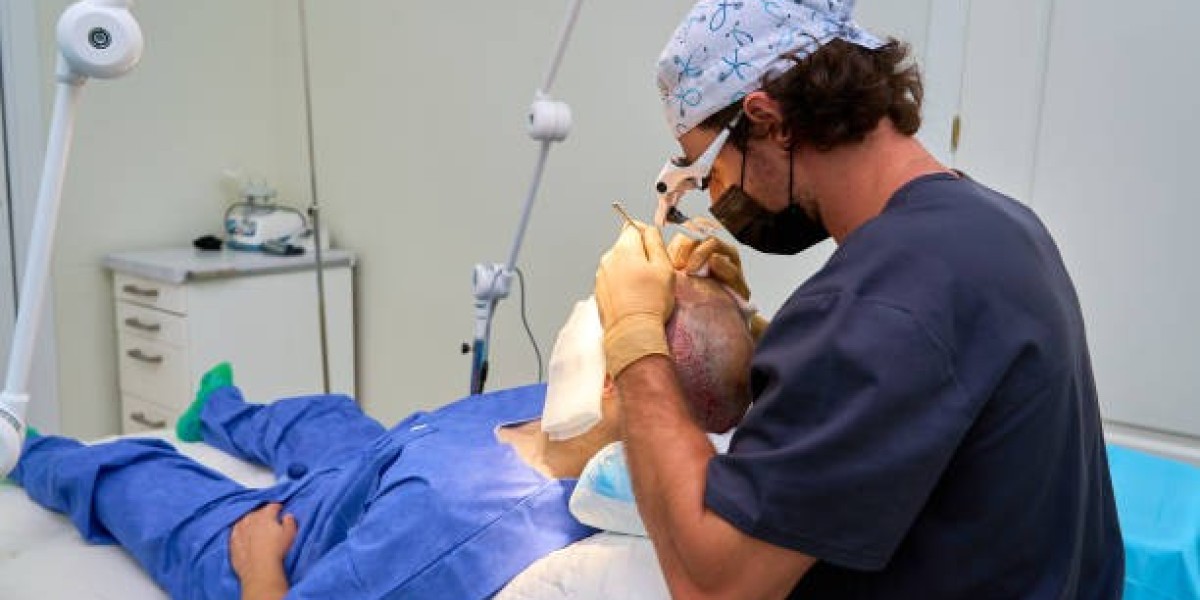

Hair transplants are a reliable solution for restoring hair and confidence, but many patients worry about scarring. Understanding how scars form, how to minimize them, and proper aftercare ensures that hair transplant in dammam results are natural and aesthetically pleasing. This guide provides insights into scar management and long-term maintenance.
Why Scarring Happens
Scarring occurs when the skin heals after follicle extraction or donor strip removal. The type and visibility of scars depend on the transplant technique, patient healing factors, and surgeon skill.
FUE vs FUT and Scar Formation
FUE (Follicular Unit Extraction): Individual follicles are harvested, leaving tiny, almost invisible dot-like scars.
FUT (Follicular Unit Transplantation): A strip of scalp is removed, which may leave a linear scar. Proper closure techniques and experienced surgeons minimize visibility.
Both techniques, when performed correctly, produce results that are virtually unnoticeable, making Hair Transplant in Dammam a safe and aesthetically satisfying option.
Minimizing Scarring Before the Procedure
Proactive steps can reduce the risk of noticeable scarring.
Choosing the Right Surgeon
Select a qualified surgeon experienced in minimizing scars using advanced techniques and careful follicle placement.
Pre-Procedure Care
Maintaining a healthy scalp, avoiding smoking, and following pre-procedure instructions optimize healing and reduce scar formation.
Post-Procedure Scar Management
Aftercare is critical for minimizing scarring and promoting healthy recovery.
Gentle Scalp Care
Avoid scratching or rubbing the transplanted area. Use mild shampoos and follow washing instructions provided by the clinic.
Proper Healing Environment
Keep the scalp clean, avoid direct sunlight, and refrain from strenuous activities that could strain the donor area.
Scar Treatments
For FUT linear scars, options like microneedling, silicone gels, or PRP therapy can improve appearance. Tiny FUE dot scars typically fade naturally over time.
Long-Term Scar Considerations
Most post-transplant scars are subtle and easily hidden by surrounding hair. With proper technique and aftercare, patients rarely notice them, and they do not affect the natural growth of transplanted hair.
Realistic Expectations
Understanding that minimal scarring is normal helps patients set realistic goals. Following professional guidance ensures that Hair Transplant in Dammam results remain natural and unobtrusive.
Book Your Consultation
Proper planning, skilled surgeons, and informed aftercare are the keys to minimizing scarring. At Royal Clinic Saudia, patients receive expert guidance, advanced techniques, and comprehensive support to ensure optimal results. Schedule your consultation today for Hair Transplant in Dammam and achieve natural, confident hair restoration.
FAQs:
Will my hair transplant leave visible scars?
Most scars are minimal. FUE leaves tiny dot-like scars, while FUT may leave a linear scar that can be concealed with surrounding hair.
How can I reduce scarring after the procedure?
Follow gentle scalp care, avoid scratching, protect from sunlight, and adhere to your surgeon’s instructions for optimal healing.
Are there treatments to improve scar appearance?
Yes, options include silicone gels, microneedling, PRP therapy, and hair styling techniques to conceal scars.
Does scarring affect hair growth?
No, with proper technique and aftercare, transplanted hair grows naturally, and scarring typically does not impact results.