
Introduction
High blood pressure, medically known as hypertension, has become one of the most common lifestyle-related health conditions worldwide. Often referred to as a silent killer, high blood pressure usually develops slowly and without noticeable symptoms. Many people are unaware they have it until it leads to serious complications such as heart attack, stroke, kidney disease, or vision problems.
Modern lifestyles—characterized by high stress, poor diet, lack of physical activity, and inadequate sleep—have significantly contributed to the rise of hypertension. While medications are commonly prescribed, many people can successfully lower and manage their blood pressure through consistent lifestyle changes.
The encouraging news is that natural methods can be highly effective. With commitment and the right habits, you can take control of your blood pressure and improve your overall heart health without relying solely on medication.
Understanding Blood Pressure and Hypertension
Blood pressure measures the force exerted by circulating blood against the walls of your arteries. It is expressed using two numbers:
Systolic pressure (top number): pressure when the heart beats
Diastolic pressure (bottom number): pressure when the heart rests between beats
A normal blood pressure reading is 120/80 mmHg. When readings consistently exceed this range, it is classified as high blood pressure.
Uncontrolled hypertension places excessive strain on the heart and blood vessels, gradually damaging them over time. This is why early management through lifestyle changes is critical.
Why Lifestyle Changes Are Crucial for Blood Pressure Control
Lifestyle choices directly affect how hard your heart has to work. Unhealthy eating habits, physical inactivity, chronic stress, poor sleep, smoking, and alcohol consumption all contribute to elevated blood pressure levels.
Adopting healthier habits not only lowers blood pressure but also:
Improves cardiovascular health
Enhances energy levels
Reduces stress and anxiety
Prevents long-term complications
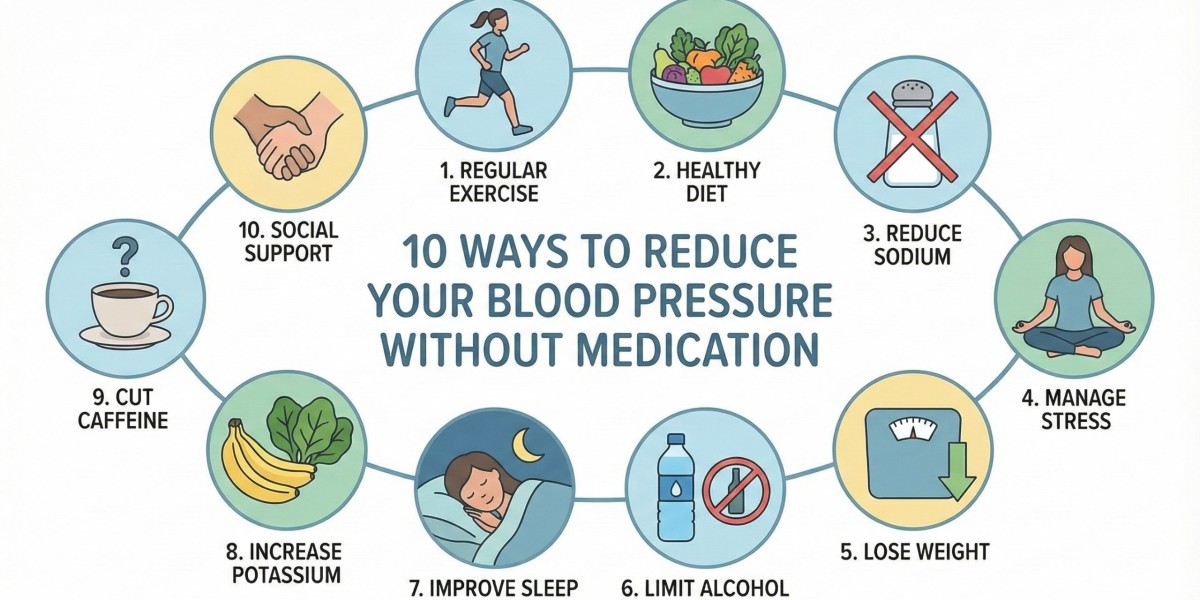
The following natural strategies focus on sustainable changes that support long-term heart health.
1. Eat a Heart-Healthy Diet
Your diet plays a foundational role in managing blood pressure.
Reduce Sodium Intake
Excess sodium causes the body to retain water, increasing blood volume and pressure within the arteries. Limiting salt intake helps reduce this strain. Avoid processed foods, canned meals, fast food, and packaged snacks, which are often high in sodium.
Increase Fruits and Vegetables
Fruits and vegetables are rich in fiber, antioxidants, vitamins, and minerals that support heart health. Many vegetables are also high in potassium, which helps balance sodium levels in the body.
Choose Whole Grains and Lean Proteins
Whole grains improve blood vessel function, while lean proteins like fish, poultry, beans, and legumes support muscle and heart health without increasing cholesterol levels.
2. Maintain a Healthy Weight
Excess body weight forces the heart to work harder, raising blood pressure.
How Weight Affects Blood Pressure
Even modest weight loss can significantly reduce blood pressure. Losing just 5–10% of body weight often leads to noticeable improvements.
Healthy Weight Management Tips
Eat mindfully and avoid overeating
Limit sugary foods and refined carbohydrates
Avoid late-night snacking
Stay physically active throughout the day
Portion control is equally important. Eating smaller portions reduces calorie intake and supports long-term weight maintenance.
3. Exercise Regularly
Physical activity strengthens the heart, allowing it to pump blood more efficiently with less pressure.
Best Exercises for Blood Pressure
Brisk walking
Cycling
Swimming
Yoga and stretching
Aim for at least 30 minutes of moderate exercise most days of the week. You don’t need a gym—consistent movement matters more than intensity.
Staying active throughout the day, such as taking stairs or walking after meals, also helps regulate blood pressure.
4. Reduce Stress Naturally
Chronic stress triggers hormones that temporarily raise blood pressure. Over time, repeated stress responses can cause long-term elevation.
Effective Stress-Reduction Techniques
Deep breathing exercises
Meditation or mindfulness practices
Listening to calming music
Spending time in nature
Engaging in hobbies or relaxation therapies
Even a few minutes of relaxation each day can help prevent stress-related blood pressure spikes.
5. Improve Sleep Quality
Sleep plays a crucial role in regulating blood pressure and stress hormones.
Poor Sleep and Blood Pressure
Inadequate sleep can disrupt hormone balance, increase stress levels, and contribute to hypertension.
Healthy Sleep Habits
Maintain a consistent bedtime and wake-up schedule
Avoid screens at least one hour before bed
Create a calm, dark sleeping environment
Avoid heavy meals and caffeine before bedtime
Quality sleep allows your heart and blood vessels to recover and function properly.
6. Limit Alcohol and Avoid Smoking
Alcohol and Blood Pressure
Excessive alcohol consumption raises blood pressure by increasing heart rate and damaging blood vessels. Limiting intake can quickly lead to improvements.
Smoking and Hypertension
Nicotine constricts blood vessels and raises blood pressure instantly. Long-term smoking causes lasting damage to arteries and significantly increases cardiovascular risk.
Reducing or eliminating alcohol and smoking is one of the most impactful lifestyle changes for heart health.
7. Increase Potassium Intake Naturally
Potassium helps counteract the effects of sodium and relax blood vessel walls.
Potassium-Rich Foods
Bananas
Spinach
Sweet potatoes
Beans and lentils
Yogurt
Balancing sodium and potassium intake is a key dietary strategy for blood pressure control.
8. Stay Properly Hydrated
Hydration supports healthy blood circulation and prevents the blood from becoming too concentrated.
How Much Water Is Enough?
Most people benefit from 8–10 glasses of water daily, though individual needs vary. Light-colored urine is a good indicator of proper hydration.
Avoid sugary drinks, which contribute to weight gain and inflammation.
9. Monitor Your Blood Pressure at Home
Regular monitoring helps you understand how lifestyle changes affect your blood pressure.
Benefits of Home Monitoring
Early detection of unhealthy trends
Better communication with healthcare providers
Increased motivation to maintain healthy habits
Use a reliable monitor and follow proper measurement techniques for accurate readings.
10. Build Long-Term Healthy Habits
Lasting blood pressure control requires consistency.
Creating Sustainable Changes
Avoid drastic measures. Instead, focus on small, manageable improvements that fit into your daily routine.
Staying Motivated
Set realistic goals
Track progress
Celebrate small achievements
Seek support from family and friends
When Lifestyle Changes Aren’t Enough
In some cases, genetics or medical conditions may require medication. Always consult a healthcare professional if blood pressure remains high despite healthy habits.
Conclusion: Take Control of Your Blood Pressure Naturally
Lowering blood pressure naturally is possible with the right lifestyle choices. A balanced diet, regular exercise, stress management, quality sleep, proper hydration, and avoiding harmful habits can significantly improve your heart health.
The key is consistency. Small daily actions, maintained over time, can lead to lasting improvements and help you prevent serious health complications. Start today, stay committed, and give your heart the care it deserves.