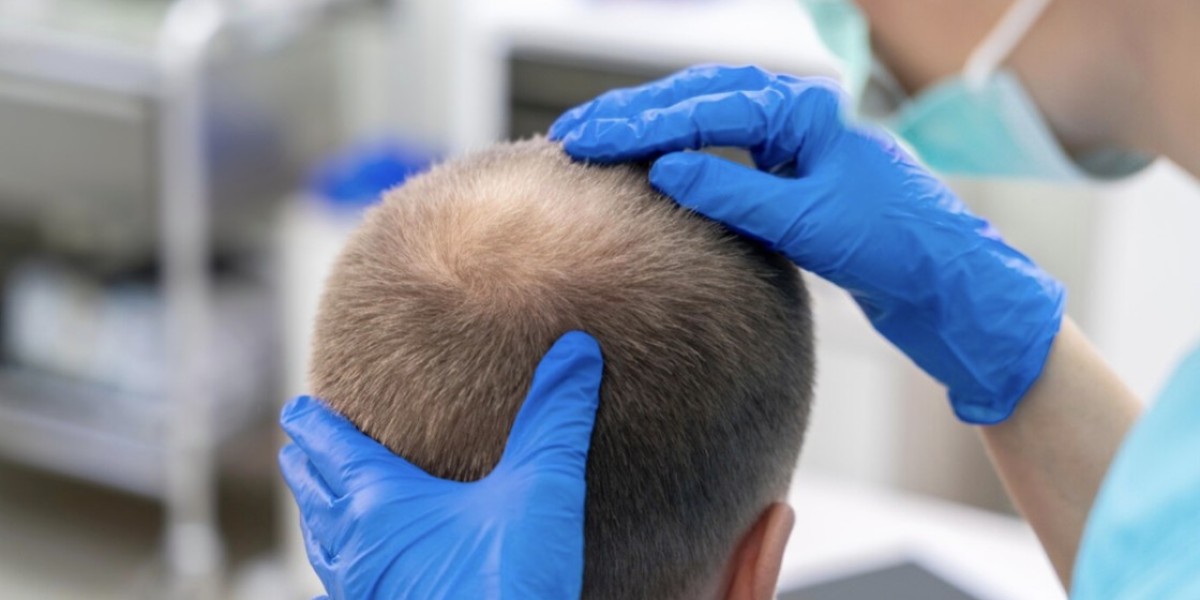

Achieving a natural-looking hairline is one of the most important goals for patients undergoing hair restoration. Many individuals seeking Hair Transplant Dammam are not just looking to restore hair density but also to ensure that the transplanted hair blends seamlessly with their existing hair. Modern hair transplant techniques focus on precision, follicle placement, and hairline design to create results that look entirely natural.
Follicular Unit Extraction (FUE):
FUE is one of the most popular techniques for creating natural hairlines. It involves harvesting individual hair follicles from the donor area and implanting them strategically to mimic natural growth patterns.
Minimally invasive with tiny puncture sites.
Allows precise placement of follicles for a soft, natural hairline.
Reduced scarring compared to older techniques.
Follicular Unit Transplantation (FUT):
FUT, also known as strip surgery, involves removing a thin strip of scalp from the donor area and dissecting it into individual follicular units. This technique can produce a dense and natural hairline when performed by an experienced surgeon.
Enables harvesting a larger number of follicles in a single session.
Offers excellent hair density for thinning areas.
Requires careful suturing to minimize visible scarring.
Combining FUE and FUT for Optimal Results:
Some surgeons use a combination of FUE and FUT to achieve both high density and natural hairline aesthetics. This approach allows customization depending on patient needs and donor hair availability.
Combines precision of FUE with the density advantage of FUT.
Ideal for patients with extensive hair loss or limited donor hair.
Enhances the natural flow and direction of transplanted hair.
Advanced Hairline Design:
Creating a natural hairline requires more than just transplanting follicles. Surgeons use careful design techniques to replicate the irregularities and softness of a natural hairline.
Strategic placement of single-hair grafts at the front.
Gradual transition from sparse to denser areas for realism.
Attention to age, facial structure, and hair characteristics.
Role of Platelet-Rich Plasma (PRP):
PRP therapy is often used alongside hair transplants to support healing and improve hair follicle growth. While not a hairline design technique itself, it can enhance the success and longevity of natural-looking results.
Promotes graft survival and faster recovery.
Strengthens transplanted follicles for healthier hair.
Can be applied in multiple sessions for sustained benefits.
Minimizing Scarring:
Techniques that minimize visible scarring contribute significantly to the natural appearance of hairlines. FUE is particularly favored for patients concerned with aesthetic outcomes.
Tiny puncture wounds heal quickly and are virtually invisible.
Proper post-operative care reduces the risk of hypertrophic scars.
Avoiding tension or trauma to the donor area improves healing.
Long-Term Maintenance:
Maintaining the appearance of a natural hairline requires ongoing care and sometimes additional touch-ups. Healthy habits and professional guidance ensure lasting results.
Follow prescribed hair care routines to protect transplanted follicles.
Use recommended medications if necessary to prevent further thinning.
Schedule periodic follow-ups to monitor hair growth and density.
Final Thoughts:
Modern hair transplant techniques focus on precision, design, and careful follicle placement to achieve natural-looking hairlines. Patients considering Hair Transplant Dammam can benefit from methods like FUE, FUT, or a combination of both, supported by advanced hairline design principles and adjunct therapies like PRP. Choosing an experienced surgeon, following post-operative care instructions, and maintaining healthy hair practices are key to achieving lasting, natural results that restore both hair and confidence.