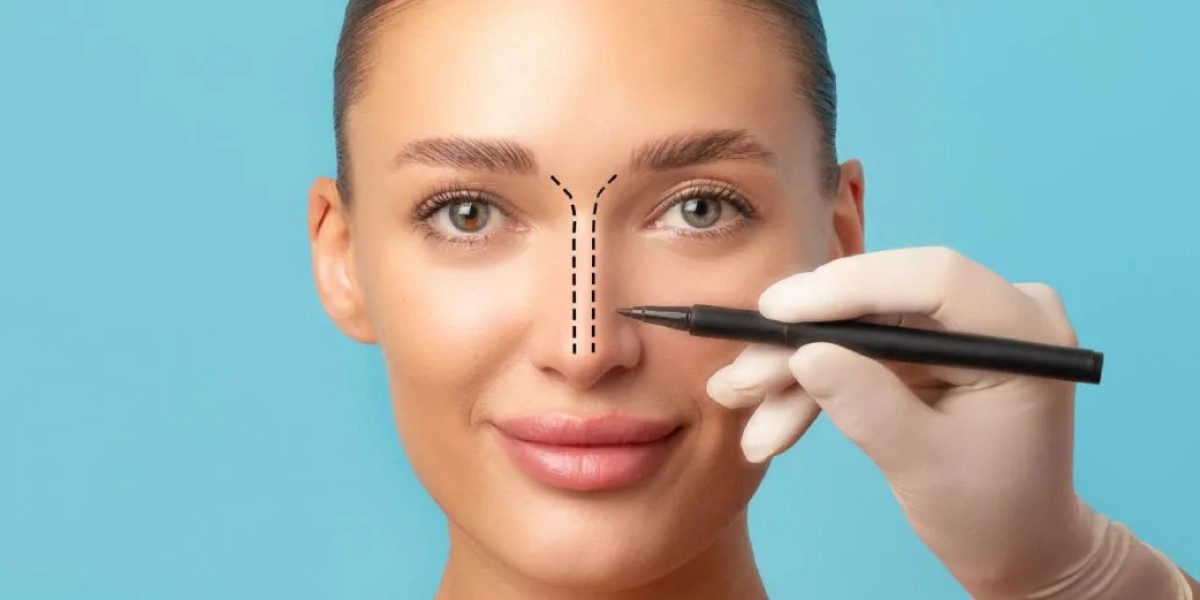

One of the most common concerns for individuals considering nose surgery is whether rhinoplasty will leave visible scars. While rhinoplasty involves surgical incisions, modern techniques are designed to keep scarring minimal and discreet. For patients researching Rhinoplasty in Riyadh(عملية تجميل الأنف في الرياض), understanding where scars form, how they heal, and what can be done to reduce their appearance helps set realistic expectations and promotes confidence throughout the recovery process.
Understanding How Rhinoplasty Incisions Work:
Rhinoplasty incisions are carefully planned to allow access to nasal structures while minimizing visible scarring. Depending on the surgical approach, incisions may be placed inside the nostrils or across the columella, the narrow strip of tissue between the nostrils, making them difficult to detect once healing is complete.
Open vs. Closed Rhinoplasty and Scarring:
The type of rhinoplasty performed plays a significant role in scar visibility. Closed rhinoplasty involves incisions entirely inside the nose, resulting in no external scars, while open rhinoplasty includes a small external incision that typically heals well and becomes barely noticeable over time when properly cared for.
Where Rhinoplasty Scars Are Typically Located:
When external scars are present, they are strategically positioned to blend with natural contours and shadows of the nose. Common incision locations include:
Inside the nostrils
Along the columella in open rhinoplasty
Hidden within natural skin creases
These placements help ensure scars remain subtle and unobtrusive.
What Rhinoplasty Scars Look Like During Healing:
In the early stages of healing, rhinoplasty scars may appear slightly red or raised, which is a normal part of the body’s repair process. Over weeks and months, scars typically soften, flatten, and fade, eventually blending with surrounding skin and becoming difficult to distinguish.
Factors That Affect Scar Visibility:
Scar appearance varies from person to person, influenced by factors such as skin type, genetics, and healing response. Other contributing elements include surgical technique, post-operative care, and whether the patient follows instructions carefully during the recovery phase.
The Importance of Surgical Technique:
A surgeon’s precision and experience play a crucial role in minimizing scarring, as meticulous incision placement and gentle tissue handling promote smoother healing. Procedures such as Rhinoplasty in Riyadh often emphasize refined techniques designed to reduce tension on incisions and support optimal scar outcomes.
Post-Surgery Care and Scar Management:
Proper aftercare is essential for minimizing rhinoplasty scars and supporting healthy healing. Patients are commonly advised to:
Keep incision areas clean and protected
Avoid excessive sun exposure
Follow recommended wound-care routines
Consistent aftercare significantly improves the final appearance of scars.
Sun Exposure and Scar Healing:
Sun exposure can darken scars and slow the fading process, making protection especially important during the first year after surgery. Using sun protection measures helps scars heal evenly and prevents pigmentation changes that could make them more noticeable.
Non-Invasive Treatments for Scar Reduction:
For patients seeking additional improvement, non-invasive treatments may help further reduce the appearance of scars once healing has progressed. These options are often used selectively and may include topical treatments or professional skin therapies, depending on individual needs.
Emotional Concerns About Scarring:
Anxiety about scarring is natural, particularly for patients undergoing facial surgery, but reassurance often comes with time as healing progresses. As swelling subsides and scars fade, most patients find that their concerns diminish, especially when results enhance overall facial harmony.
Long-Term Appearance of Rhinoplasty Scars:
In the long term, rhinoplasty scars are typically faint and well-hidden, especially when incisions are placed thoughtfully and healing is well-managed. For most patients, scars become a minor detail compared to the overall improvement in nasal appearance and confidence.
Final Thoughts.
Rhinoplasty scars are a normal part of the surgical process, but they are usually minimal and carefully concealed. Key points to remember include:
Most rhinoplasty scars are hidden or barely visible
Healing is gradual and improves over several months
Surgical technique greatly influences scar quality
Proper aftercare supports optimal fading
Long-term scars are typically subtle and unobtrusive
By understanding what to expect and how to care for incisions, patients can approach rhinoplasty with confidence, knowing that visible scarring is rarely a lasting concern and that results are designed to look natural and refined.