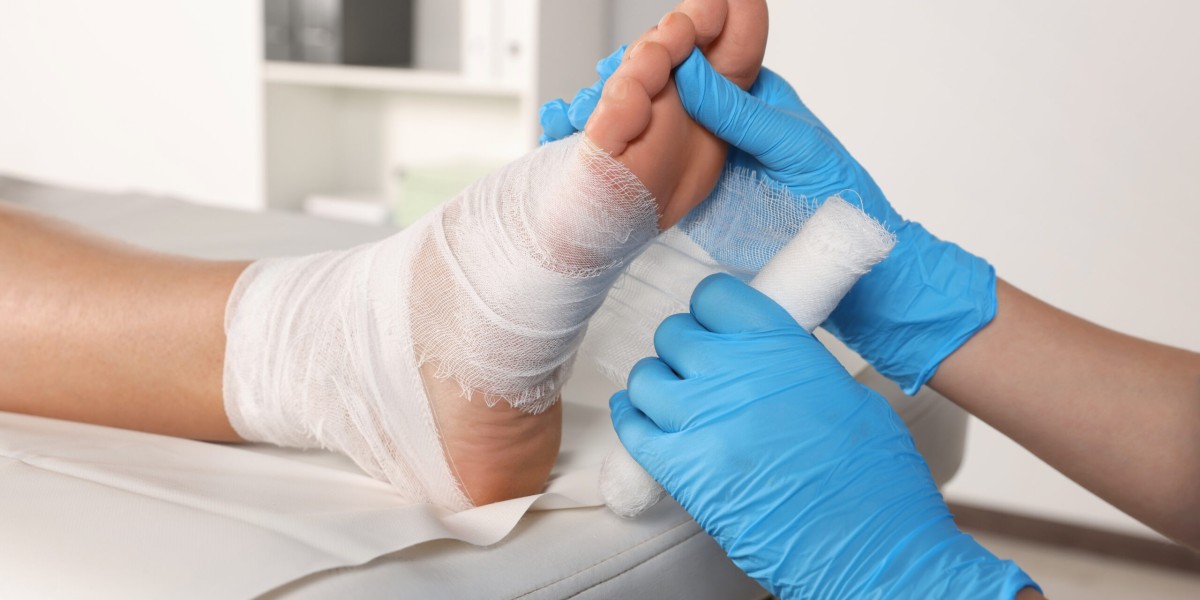

Managing wounds at home can be challenging, particularly when simple dressings are not sufficient for proper healing. Wound Dressing at Home with advanced or specialty products can accelerate recovery, reduce infection risks, and improve patient comfort. These dressings are specifically designed for complex wounds such as chronic ulcers, post-surgical wounds, or pressure sores. Understanding when and how to use specialty products ensures that home care is both effective and safe, supporting optimal healing outcomes.
Understanding Advanced Wound Dressings:
Advanced wound dressings are designed to create an optimal healing environment, control exudate, and prevent complications. They differ from standard gauze or bandages by providing additional support and therapeutic benefits. Key points include:
Hydrocolloid dressings maintain moisture and protect against infection
Foam dressings absorb excess exudate while cushioning the wound
Alginate dressings are ideal for heavily exuding wounds
Antimicrobial dressings reduce bacterial growth in high-risk wounds
Understanding the purpose of each dressing type helps caregivers select the most appropriate option for home use.
Indications for Specialty Dressings:
Not all wounds require advanced products, but certain situations benefit from their use. Indications include:
Chronic wounds such as diabetic ulcers or venous leg ulcers
Wounds with heavy exudate that saturate standard dressings
Pressure sores or deep tissue injuries
Post-surgical wounds with slow healing or risk of infection
Wounds that are painful or sensitive, requiring non-adherent materials
Recognizing these indications ensures timely and appropriate use of specialty dressings in home care.
Essential Supplies for Advanced Wound Dressing:
Using advanced products requires careful preparation and the right materials. Essential supplies include:
Sterile advanced dressings: hydrocolloid, foam, alginate, or antimicrobial types
Sterile saline or recommended wound cleansers
Disposable gloves for hygiene
Adhesive tape or bandages compatible with sensitive skin
Scissors, tweezers, and a disposal system for used dressings
Having supplies organized and ready ensures efficient, safe, and hygienic dressing changes.
Preparing the Wound for Advanced Care:
Proper preparation is critical to maximize the effectiveness of specialty dressings. Steps include:
Washing hands thoroughly and wearing sterile gloves
Removing old dressings carefully to avoid damaging tissue
Gently cleaning the wound with sterile saline or prescribed solution
Patting the wound and surrounding skin dry using sterile gauze
Ensuring all materials are within reach before starting
Preparation sets the stage for safe application and optimal healing results.
Step-by-Step Application of Specialty Dressings:
Applying advanced dressings correctly ensures maximum effectiveness. Guidelines include:
Selecting a dressing suitable for the wound type and exudate level
Placing the dressing carefully without applying excessive pressure
Securing the dressing using hypoallergenic tape or bandages
Ensuring the dressing covers the wound completely while allowing surrounding skin to breathe
Following manufacturer or healthcare provider recommendations for wear time
Correct application protects the wound and promotes faster, safer healing at home.
Monitoring Wound Healing with Specialty Products:
Advanced dressings can support healing, but regular monitoring is essential. Key practices include:
Inspecting the wound for changes in size, color, or exudate
Checking for signs of infection such as redness, swelling, or odor
Recording dressing changes and progress to track healing trends
Contacting a healthcare provider if there is deterioration or unusual symptoms
Monitoring ensures timely interventions and maximizes the benefits of specialty dressings.
Pain Management During Dressing Changes:
Specialty dressings can reduce discomfort, but proper handling is still important. Strategies include:
Removing dressings gently to prevent tissue damage
Using prescribed pain medications before dressing changes if recommended
Choosing non-adherent or cushioned dressings for sensitive wounds
Maintaining a comfortable position and environment during care
Managing pain ensures compliance and makes home wound care more effective and less stressful.
Infection Prevention and Hygiene Tips:
Preventing infection is crucial when using advanced dressings at home. Best practices include:
Washing hands thoroughly before and after each dressing change
Wearing sterile gloves and using clean instruments
Keeping the wound covered and avoiding unnecessary contact
Disposing of used dressings and contaminated materials safely
Sanitizing surfaces where dressing changes are performed
Strict hygiene supports healing and reduces the risk of complications.
Common Mistakes to Avoid:
Even advanced dressings are ineffective if misused. Common mistakes to avoid include:
Using the wrong dressing type for the wound’s condition
Leaving dressings on too long or changing them too frequently
Pulling dressings off aggressively, causing tissue trauma
Ignoring early signs of infection or worsening condition
Avoiding these mistakes ensures specialty products achieve their intended healing benefits.
Final Thoughts:
Wound Dressing at Home with advanced or specialty products can greatly enhance healing for complex wounds. By understanding when to use these dressings, preparing and applying them correctly, monitoring the wound regularly, and managing pain and hygiene, caregivers can provide safe and effective home care. Avoiding common mistakes ensures that these specialty products deliver maximum benefit, reduce complications, and support faster recovery. Following these expert practices allows home wound care to be both effective and comfortable for the patient.