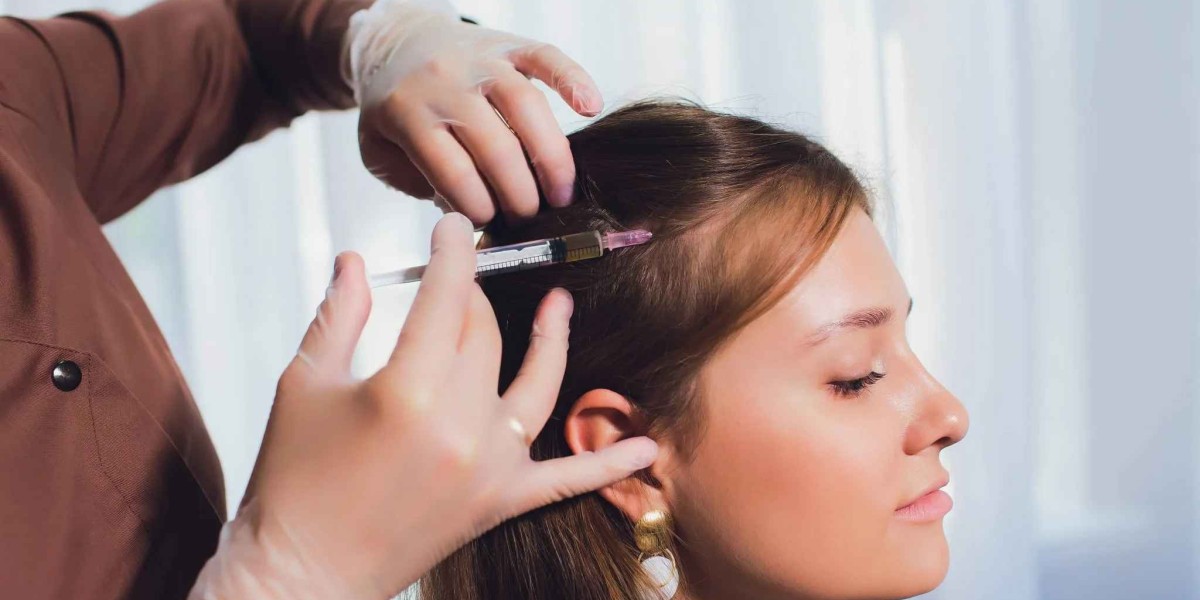

Hair thinning is a common concern affecting both men and women, and recent medical innovations have made PRP Hair Treatment a highly effective solution for combating this issue. PRP, or platelet-rich plasma, harnesses the body’s own platelets to stimulate hair follicles, promote growth, and strengthen existing hair. As science advances, new techniques, tools, and protocols have enhanced the efficacy, comfort, and safety of PRP therapy, making it a preferred option for those struggling with thinning hair. Understanding these innovations helps patients appreciate how this therapy goes beyond traditional treatments to offer long-lasting results.
Understanding PRP Hair Treatment and Its Mechanism:
PRP Hair Treatment works by using growth factors in platelets to stimulate dormant hair follicles.
Platelets are extracted from the patient’s blood and concentrated through centrifugation
Growth factors such as PDGF, VEGF, and EGF are key to follicle activation
When injected into the scalp, these proteins promote cellular regeneration and improved blood flow
The treatment targets thinning hair areas, strengthening hair shafts and encouraging regrowth
This mechanism makes PRP a natural, autologous therapy that addresses the root causes of hair thinning.
Latest Injection Techniques for Enhanced Results:
Medical advancements have refined how PRP is delivered for maximum effectiveness:
Microneedling combined with PRP enhances absorption and stimulates collagen production
Multi-point injection patterns ensure even distribution of growth factors across thinning areas
Some clinics now use ultrasound-guided PRP injections to target follicles precisely
Automated injection devices reduce discomfort and improve consistency
These innovations reduce patient downtime and improve the overall results of PRP therapy.
Optimized PRP Preparation Protocols:
Not all PRP is created equal; preparation methods have evolved for better outcomes:
Advanced centrifuge systems maximize platelet concentration while minimizing contamination
Some protocols include double-spin techniques to enhance growth factor density
Use of additives like calcium chloride can activate platelets for stronger regenerative effects
Standardization of protocols ensures reliable and reproducible results for different patients
Optimized preparation is crucial for ensuring that each PRP session delivers the maximum benefit for thinning hair.
Combining PRP with Other Treatments:
Innovative approaches often pair PRP with complementary therapies for enhanced results:
Topical minoxidil or finasteride can synergize with PRP for faster regrowth
Low-level laser therapy (LLLT) boosts follicle activity alongside PRP
Nutritional supplementation supports the scalp and hair growth cycle
Hair transplant integration allows PRP to enhance graft survival and density
Combining PRP with other treatments creates a comprehensive plan for tackling hair thinning effectively.
Patient-Specific Customization:
Modern PRP therapy emphasizes individualized treatment plans:
Injection depth, volume, and frequency are tailored to age, hair type, and thinning severity
Some patients benefit from higher concentration PRP for stubborn areas
Scalp mapping technology identifies areas that require more targeted intervention
Personalized schedules maximize follicle activation and minimize unnecessary treatments
This level of customization ensures that PRP Hair Treatment adapts to each patient’s unique needs.
Safety and Minimally Invasive Innovations:
PRP remains a low-risk therapy, and innovations have further enhanced safety:
Single-use sterile kits prevent contamination and infection
Use of microcannulas minimizes bruising and discomfort
Monitoring of platelet counts ensures optimal concentration and safety
Patients experience minimal downtime compared to traditional surgical interventions
These measures make PRP a convenient and safe option for people with thinning hair.
Long-Term Efficacy and Maintenance Strategies:
Medical research has helped optimize long-term outcomes for PRP patients:
Initial results typically appear after 3–4 months of consistent treatment
Maintenance sessions every 6–12 months help sustain hair density
Ongoing assessment allows adjustments to concentration, injection patterns, or combination therapies
Incorporating lifestyle measures such as healthy nutrition and stress management supports follicle health
Structured maintenance protocols ensure patients retain the benefits of PRP therapy over time.
Misconceptions About PRP Hair Treatment:
Despite its popularity, some myths persist:
PRP cannot create new follicles in completely bald areas
Results are gradual, requiring patience and repeated sessions
It is not a standalone cure for all hair loss types, especially advanced androgenetic alopecia
Proper technique and qualified medical supervision are essential for effectiveness
Clarifying these points helps patients approach PRP Hair Treatment with realistic expectations and informed consent.
Final Thoughts
Medical innovations in PRP Hair Treatment have significantly improved its effectiveness, comfort, and safety for individuals experiencing thinning hair. From advanced injection techniques and optimized preparation protocols to personalized treatment plans and combination therapies, these developments ensure better outcomes for patients seeking natural hair restoration. By understanding the science and innovations behind PRP, patients can make informed decisions and enjoy a therapy that not only strengthens existing hair but also stimulates growth in a minimally invasive, biologically compatible way. For anyone struggling with thinning hair, PRP represents a cutting-edge, science-backed option with long-term potential