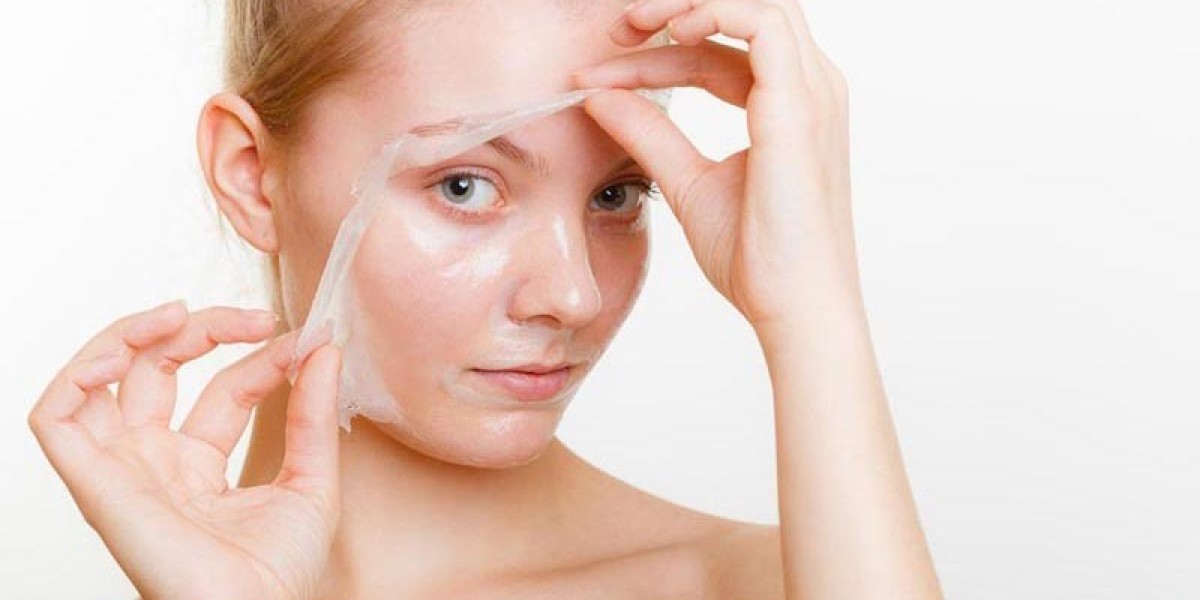

Hyperpigmentation and dark spots are among the most common skin concerns, affecting people of all ages and skin types. They often result from sun damage, acne scars, hormonal changes, or aging. For individuals in Riyadh seeking professional solutions, Chemical Peels Riyadh clinics offer targeted treatments designed to reduce discoloration, even out skin tone, and restore radiance. Understanding which chemical peels are most effective for hyperpigmentation, and how they work, can help you make an informed choice for healthier, brighter skin.
What Causes Hyperpigmentation and Dark Spots:
Hyperpigmentation occurs when the skin produces excess melanin in certain areas. Key factors include:
Sun exposure, which triggers melanin production and darkens existing spots
Post-inflammatory hyperpigmentation from acne, cuts, or irritation
Hormonal fluctuations, often seen during pregnancy or with birth control use
Age-related changes leading to liver spots or sunspots
Certain medications or medical conditions that affect pigmentation
Understanding the cause is essential for selecting the right chemical peel to target discoloration effectively.
How Chemical Peels Treat Dark Spots:
Chemical peels work by exfoliating the outer layer of the skin and stimulating new cell growth. Dermatologists explain:
The chemical solution removes pigmented, damaged skin cells
Promotes even distribution of melanin in newly exposed skin
Stimulates collagen and elastin, improving skin texture along with tone
Helps fade post-acne and sun-related discoloration
Chemical peels are often more effective for hyperpigmentation than topical creams alone due to their deeper action.
Superficial Peels for Mild Hyperpigmentation:
Superficial peels are ideal for mild discoloration and early signs of uneven tone. Features include:
Uses mild acids such as glycolic acid, lactic acid, or low-strength salicylic acid
Minimal downtime with gentle exfoliation
Improves skin brightness and refines texture
Can be repeated every 3–4 weeks for gradual improvement
Superficial peels are suitable for sensitive skin or for those starting their pigmentation treatment journey.
Medium Peels for Moderate Discoloration:
Medium-strength peels penetrate deeper to address more pronounced pigmentation issues. Key benefits:
Often use trichloroacetic acid (TCA) for effective melanin reduction
Treat moderate sun damage, post-inflammatory hyperpigmentation, and uneven tone
Recovery time may include redness and peeling for 5–7 days
Recommended every 2–3 months depending on skin tolerance and response
Medium peels provide more noticeable improvements for stubborn dark spots compared to superficial peels.
Deep Peels for Severe Hyperpigmentation:
Deep chemical peels are reserved for severe pigmentation and advanced sun damage. Key points:
Typically use phenol or high-strength TCA solutions
Target deep discoloration and heavily sun-damaged skin
Require professional administration due to potential risks and longer recovery
Usually performed only once or very infrequently
Deep peels can deliver transformative results but are not suitable for frequent treatments due to their intensity.
Pre-Peel Preparation for Optimal Results:
Proper preparation enhances the effectiveness of chemical peels and reduces complications. Dermatologists recommend:
Avoiding sun exposure and applying broad-spectrum sunscreen regularly
Discontinuing harsh exfoliants, retinoids, or acids a few days before the peel
Using gentle moisturizers to maintain the skin barrier
Consulting a certified professional to select the appropriate peel strength for your skin type
Preparation ensures safe, effective results while protecting the skin during recovery.
Post-Peel Care for Hyperpigmentation:
Following a chemical peel, proper aftercare is essential to maintain results and prevent recurrence. Key tips include:
Consistently applying high-SPF sunscreen to prevent new pigmentation
Moisturizing regularly with gentle, fragrance-free products
Avoiding picking or scratching peeling skin
Using calming serums with antioxidants or hyaluronic acid to support healing
Adhering to aftercare instructions prolongs the benefits of chemical peels and keeps skin healthy.
Combining Peels with Other Treatments:
For optimal results, chemical peels can be integrated with complementary procedures. Options include:
Topical lightening agents such as vitamin C, niacinamide, or hydroquinone for enhanced effect
Microneedling or laser therapy to target deeper pigmentation
Professional facials to support hydration and skin recovery
Combining treatments strategically amplifies results and addresses pigmentation from multiple angles.
Benefits of Professional Chemical Peels in Riyadh:
Choosing a certified clinic for Chemical Peels Riyadh ensures:
Accurate assessment of skin type and pigmentation severity
Safe application with the correct chemical concentration and technique
Monitoring of healing and timely adjustments to treatment plans
Personalized recommendations for peel frequency and follow-up care
Professional supervision maximizes results while minimizing risks, making chemical peels a reliable solution for hyperpigmentation.
Signs You’re Seeing Effective Results:
After chemical peel treatment, patients often notice:
Gradual fading of dark spots and uneven patches
Brighter, more uniform skin tone
Smoother texture and improved radiance
Long-term prevention of new pigmentation with proper maintenance
Recognizing early improvements helps patients stay consistent with treatments and maintain healthy skin.
Final Thoughts
Chemical peels offer a highly effective solution for hyperpigmentation and dark spots, targeting the root of uneven pigmentation while promoting skin renewal. Superficial peels address mild discoloration, medium peels tackle moderate issues, and deep peels provide dramatic results for severe hyperpigmentation. Proper pre- and post-care, combined with professional guidance from certified Chemical Peels Riyadh clinics, ensures safety, efficacy, and long-lasting improvements. By selecting the right type of peel and following a personalized plan, patients can achieve smoother, brighter, and more even-toned skin with confidence.