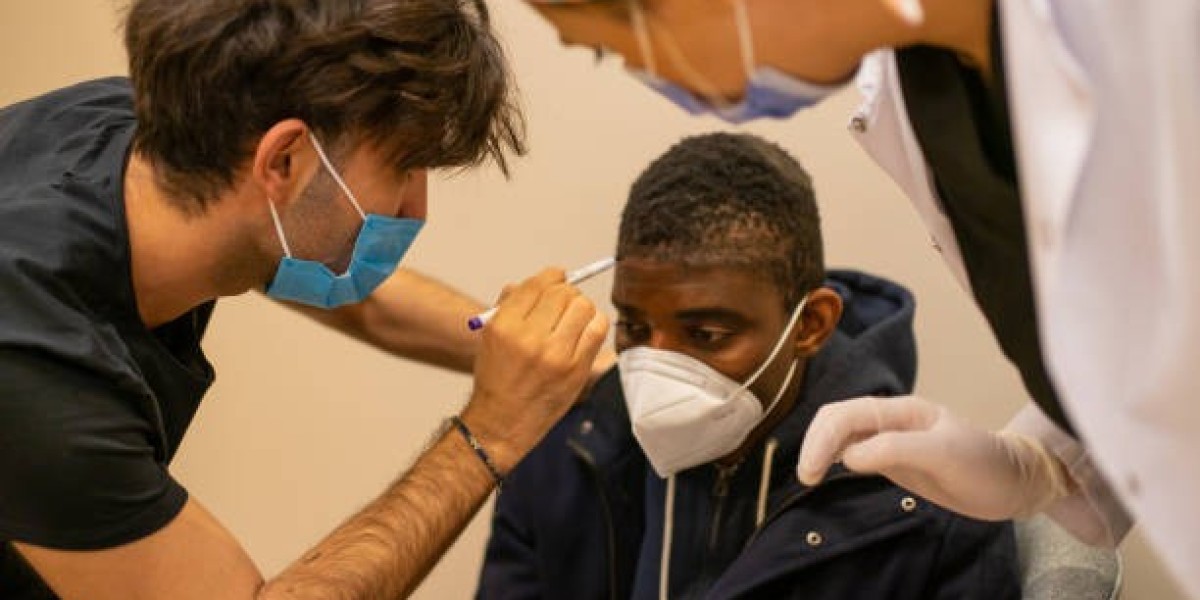

The donor site is the area of the scalp from which healthy hair follicles are harvested for transplantation. Its healing process is critical for the overall success of the hair transplant. Proper care ensures minimal scarring, optimal regrowth of donor hair, and a natural appearance. Patients undergoing hair transplant in dammam are advised to follow specific post-procedure protocols to support donor site recovery.
Immediate Healing Phase
First 24–72 Hours
In the initial phase, mild redness, swelling, or tenderness may occur. Tiny scabs form around the extracted follicles as part of the natural healing process. During this time, it is essential to avoid touching or scratching the area to prevent infection and protect follicle integrity.
First Week
During the first week, the scalp begins to settle. Any mild discomfort generally subsides. Patients should follow gentle washing routines and avoid exposure to direct sunlight. Protecting the donor site helps maintain follicle health and ensures better regrowth outcomes for Hair Transplant in Dammam patients.
Scab Shedding and Hair Regrowth
Weeks 2–4
Scabs naturally fall off during this period. Hair shedding in the donor area may occur, which is normal and temporary. The follicles underneath remain healthy and ready to support new hair growth.
Months 1–3
New hair starts to emerge gradually. Initially, it may appear thin and fine but will thicken over time. Proper nutrition, hydration, and following professional aftercare instructions enhance regrowth and scalp recovery.
Factors Influencing Donor Site Healing
Scalp Health
Healthy scalp tissue supports faster healing and robust hair regrowth. Patients should maintain hygiene and avoid harsh products.
Extraction Technique
The choice of technique—FUE or FUT—affects healing. FUE leaves minimal scarring and allows quicker regrowth, whereas FUT may result in a linear scar that gradually heals over months.
Lifestyle Factors
A balanced diet, adequate sleep, and avoidance of smoking and alcohol can significantly improve healing and follicle survival. Patients who adhere to these practices experience smoother recovery after Hair Transplant in Dammam.
Long-Term Donor Site Care
Scalp Protection
Avoiding sun exposure and using gentle shampoos helps prevent irritation and promotes healthy hair regrowth. Soft hats or sun protection measures are recommended during outdoor activities.
Observation of Regrowth
Monitoring the donor area for abnormal redness, excessive swelling, or delayed hair growth ensures early intervention if needed. Regular follow-ups with the hair transplant specialist help maintain optimal outcomes.
Patience for Full Recovery
Complete regrowth and restoration of donor site hair can take several months, depending on individual healing rates. Most patients see significant improvement by 6–12 months post-procedure.
Benefits of Proper Donor Site Healing
Maximized Follicle Survival: Healthy donor areas increase overall transplant success.
Natural Appearance: Minimal scarring ensures the donor site looks normal after healing.
Improved Hair Density: Optimal regrowth contributes to consistent hair coverage.
Long-Term Satisfaction: Proper care ensures durable results for both donor and transplanted areas.
Book Your Consultation with Royal Clinic Saudia
For those seeking safe and effective hair restoration, Royal Clinic Saudia provides advanced hair transplant procedures with comprehensive donor site care. Booking a consultation ensures personalized guidance for faster healing, optimal follicle survival, and natural results with Hair Transplant in Dammam.
FAQs:
How long does the donor site take to heal?
Initial healing occurs within the first week, while full regrowth and complete recovery usually take 6–12 months.
Will the donor site scar after a hair transplant?
FUE results in minimal, often unnoticeable scarring, whereas FUT may leave a linear scar that gradually heals over time.
Is hair shedding normal at the donor site?
Yes, mild shedding is part of the natural healing process and does not affect follicle survival.
What factors influence donor site regrowth?
Scalp health, extraction technique, and lifestyle habits like nutrition, hydration, and avoiding smoking significantly affect healing and hair regrowth.