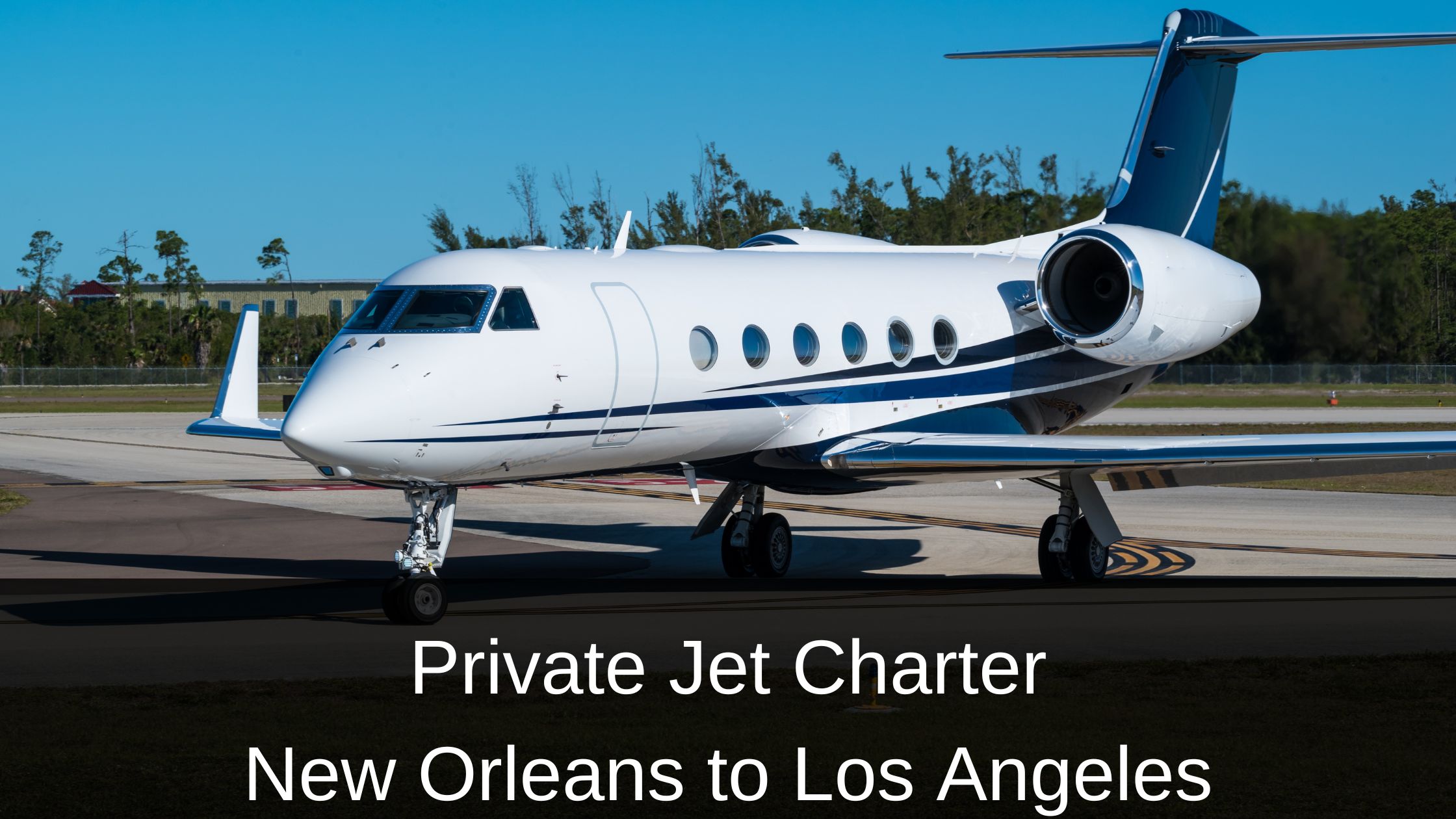

In the world of aviation, charter flights have grown in popularity for group travel, providing a tailored experience that commercial airlines often cannot match. This case study explores the use of a charter plane designed for 30 passengers, highlighting its benefits, operational considerations, and real-world applications.
Background
Charter flights are aircraft that are hired for specific journeys, allowing for greater flexibility in scheduling, route selection, and passenger comfort. For groups of 30, such as corporate teams, sports teams, or family reunions, a charter plane offers a unique solution that meets their specific travel needs. With the aviation industry recovering from the pandemic, the demand for charter flights has surged, making this case study timely and relevant.
The Charter Plane Experience
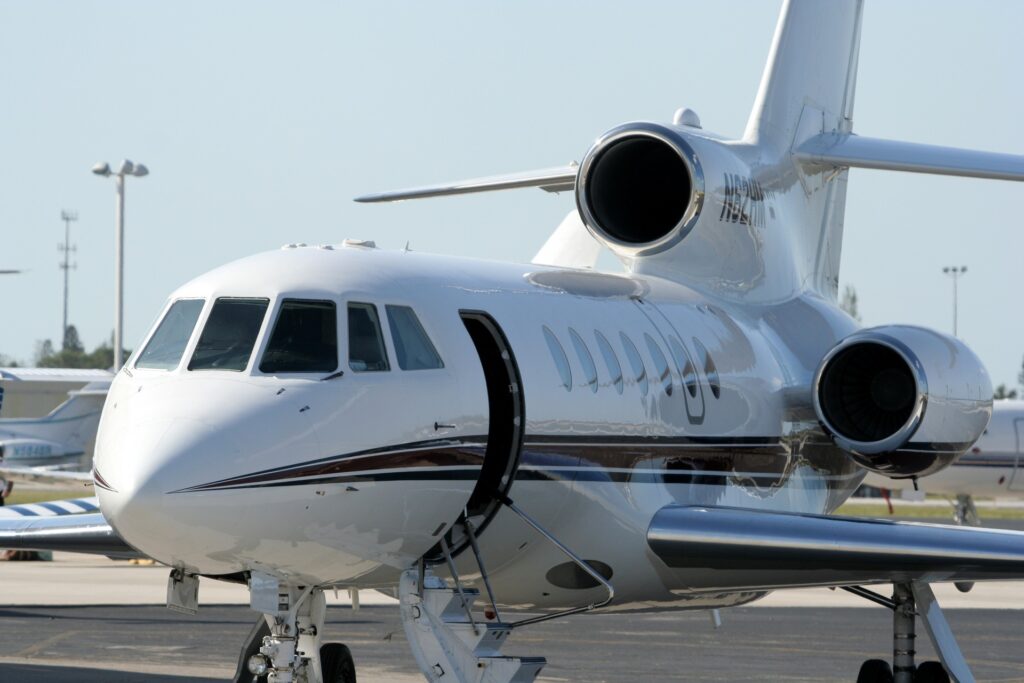
When a group of 30 passengers decides to charter a plane, they can expect a customized travel experience that begins with the booking process. Unlike commercial flights, which operate on fixed schedules and routes, private jet charter company flights can be arranged to accommodate the group's specific needs. This includes choosing departure and arrival airports, travel times, and even in-flight services.
1. Booking Process:
The first step in chartering a plane is selecting a reputable charter company. Factors to consider include safety records, aircraft availability, and customer service. Once a company is chosen, the group leader works closely with the charter team to finalize the itinerary. This includes selecting the type of aircraft, which can range from turboprops to jets, depending on budget and travel distance.
2. Aircraft Options:
For a group of 30 passengers, several aircraft options are available. A popular choice is the Bombardier Dash 8, which accommodates up to 37 passengers. This aircraft is known for its efficiency and comfort, making it ideal for short to medium-haul flights. Another option is the Embraer 135, which offers a slightly more luxurious experience with a maximum capacity of 37 passengers as well. The choice of aircraft can significantly impact the overall travel experience, including flight duration and passenger comfort.
3. In-Flight Services:
One of the main advantages of charter flights is the ability to customize in-flight services. Groups can arrange for catering options that suit their preferences, from light snacks to gourmet meals. Additionally, in-flight entertainment systems can be tailored to include movies, music, or presentations, making the journey enjoyable and productive.
Operational Considerations
While chartering a plane offers numerous benefits, there are operational considerations that must be addressed to ensure a smooth travel experience.
1. Cost Factors:
Charter flights can be more expensive than commercial flights, especially for smaller groups. However, when considering the cost per passenger and the value of convenience, flexibility, and comfort, many groups find chartering a plane to be a worthwhile investment. Factors influencing the cost include aircraft type, flight duration, and additional services requested.
2. Regulatory Compliance:
Charter companies must adhere to strict regulatory standards set by aviation authorities. This includes ensuring that the aircraft is well-maintained and that pilots are properly trained and certified. For groups, it’s essential to verify the charter company’s compliance with safety regulations to ensure a secure travel experience.
3. Itinerary Management:
Flexibility is one of the key advantages of charter flights. However, it requires careful planning and management of the itinerary. Changes in flight plans due to weather conditions or other unforeseen circumstances can impact the schedule. It is crucial for the charter company to maintain open communication with the group to manage any changes effectively.
Real-World Applications
Several real-world scenarios illustrate the benefits of chartering a plane for 30 passengers.
1. Corporate Retreat:
A technology company organized a corporate retreat for its employees, aiming to foster team building and innovation. They chartered a Bombardier Dash 8 to transport 30 employees from their headquarters to a remote conference center. The flexibility of the charter allowed them to select a departure time that maximized productivity, and in-flight catering provided a seamless transition into the retreat atmosphere.
2. Sports Team Travel:
A college basketball team needed to travel for an important tournament. Chartering a plane enabled them to fly directly to the destination, avoiding the hassle of layovers and long security lines at commercial airports. The team was able to travel together, fostering camaraderie and focus ahead of their games. If you have any type of inquiries pertaining to where and how you can use private jets charter companies, you can contact us at our own site. The charter company also provided space for equipment, which is often a challenge with commercial flights.
3. Family Reunion:
A large family reunion planned to gather relatives from various parts of the country. By chartering a plane, they were able to fly together, creating a unique bonding experience right from the start of their journey. The charter allowed for personalized service, including special meals for children and elderly family members, ensuring everyone felt comfortable and included.
Conclusion
Charter planes for 30 passengers offer a unique and efficient solution for group travel, providing flexibility, comfort, and a personalized experience that commercial airlines cannot replicate. As the demand for charter flights continues to grow, understanding the benefits and operational considerations will help groups make informed decisions about their travel needs. Whether for corporate retreats, sports teams, or family gatherings, largest private jet charter companies flights are poised to play a crucial role in the future of group travel, catering to the diverse needs of passengers while ensuring a seamless and enjoyable journey.