
Introduction
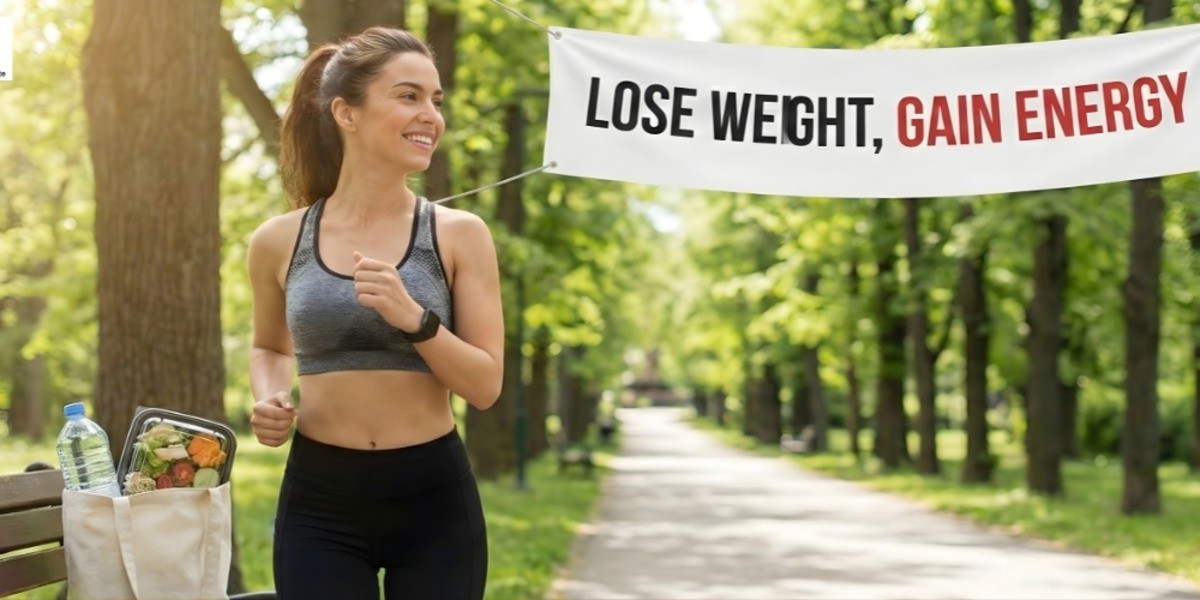
Weight loss is more than just seeing a lower number on the scale—it’s about improving your overall health, boosting energy levels, and enhancing your quality of life. Sustainable weight loss happens when your body enters a calorie deficit, meaning it burns more calories than it consumes. This process takes time and consistency. Quick fixes and rapid weight loss may show short-term results, but they often lead to rebound weight gain.
Understanding Weight Loss
Healthy vs Unhealthy Weight Loss
Healthy weight loss focuses on fat loss while preserving muscle mass. This is achieved through balanced nutrition and regular exercise.
Unhealthy weight loss often results from crash diets or extreme calorie restriction, which may cause fatigue, nutrient deficiencies, hormonal imbalance, and low energy.
Setting Realistic Goals
Losing around 0.5–1 kg per week is considered safe and sustainable. Instead of chasing instant results, focus on building habits that support long-term health and gradual progress.
1. Understanding Weight Gain
How the Body Stores Fat
When you consume more calories than your body needs, the excess energy is stored as fat. Factors such as hormones, genetics, activity levels, and food choices all influence fat storage.
Common Causes of Weight Gain
Overeating calorie-dense, processed foods
Lack of physical activity
Chronic stress
Poor sleep
Hormonal changes
Role of Metabolism
Metabolism is your body’s ability to convert food into energy. A slower metabolism can make fat storage easier, while muscle mass, age, and genetics all influence metabolic rate.
Common Weight Loss Myths
Crash dieting leads to lasting results
Cutting out carbs entirely is necessary
Eating extremely low calories is healthy
Exercise isn’t important
2. Setting the Right Weight Loss Goals
Determining a Healthy Weight
Tools like BMI can provide a reference point, but true health goes beyond numbers. Energy levels, strength, and overall well-being matter just as much.
Short-Term vs Long-Term Goals
Short-term goals (like losing 2–3 kg in a month) help with motivation, while long-term goals focus on lifestyle improvements and sustainability.
Tracking Progress Safely
Progress isn’t only about the scale. Pay attention to:
Energy levels
Inch loss
How clothes fit
Skin and digestion health
Staying Motivated
Celebrate small wins, stay patient, and remind yourself why you started. Consistency is more important than perfection.
3. Nutrition Basics for Weight Loss
Calories and Energy Balance
A calorie deficit is essential, but those calories should come from nutrient-dense foods, not empty calories.
Macronutrients: Carbs, Protein & Fats
All macronutrients play an important role. Balance is key for sustainable and healthy weight loss.
Portion Control
Even healthy foods can cause weight gain if eaten in excess. Using smaller plates and mindful serving sizes can help control intake.
Reading Food Labels
Food labels reveal hidden sugars, unhealthy fats, and excess calories. Many “healthy” packaged foods can still be calorie-dense.
4. Healthy Eating Habits
Balanced Meal Planning
A balanced meal includes:
Lean protein
Complex carbohydrates
Healthy fats
Fiber-rich vegetables
Foods That Support Weight Loss
Vegetables and fruits
Whole grains
Lean proteins
Healthy fats
Foods to Limit or Avoid
Processed and packaged foods
Refined sugar
Deep-fried and high-calorie foods
Mindful Eating Practices
Eat slowly and chew properly
Avoid screens while eating
Don’t eat late at night
Small habits can create big results over time.
5. Exercise and Physical Activity
Benefits of Exercise
Exercise boosts calorie burn, preserves muscle mass, improves metabolism, and enhances motivation.
Cardio vs Strength Training
A combination of both is ideal. Cardio supports heart health, while strength training builds muscle and increases metabolic rate.
Beginner-Friendly Workouts
Walking or cycling
Home workouts
Yoga
Consistency matters more than intensity.
Staying Active Daily
Simple habits like walking after meals, stretching, and taking stairs contribute significantly to weight loss.
6. Lifestyle Changes That Support Weight Loss
Importance of Sleep
Poor sleep disrupts hunger hormones and slows metabolism. Aim for 7–9 hours of sleep daily.
Managing Stress
High stress increases cortisol levels, promoting fat storage—especially around the belly. Meditation, yoga, breathing exercises, and hobbies help manage stress.
Building Healthy Routines
Consistent meal timings, hydration, physical activity, and regular workouts form the foundation of sustainable weight loss.
7. Weight Loss Without Extreme Dieting
Why Crash Diets Don’t Work
Crash diets lead to muscle loss, nutrient deficiencies, and rebound weight gain.
Sustainable Weight Loss Approaches
Focus on balanced meals, regular workouts, and daily movement instead of extreme restrictions.
Developing a Healthy Relationship with Food
Food is fuel, not guilt. Learning moderation allows weight loss without unnecessary restrictions.
8. Common Challenges & Solutions
Plateaus
Adjust calories, workouts, or stress levels if progress stalls.
Emotional Eating
Identify triggers and choose healthier coping strategies like walking, journaling, or relaxation techniques.
Social Situations
Plan ahead, practice portion control, and communicate your goals to friends and family.
9. Weight Loss for Different Lifestyles
Busy Schedules
Meal prep and short HIIT workouts help maintain consistency.
Weight Loss at Home
Home workouts and home-cooked meals are effective and sustainable.
Different Age Groups
Metabolism, activity levels, and recovery vary with age, affecting weight loss pace.
10. Maintaining Weight Loss
Consistency with healthy habits and mindful eating prevents rebound weight gain.
Long-Term Healthy Habits
Nutritious food, regular movement, stress management, and quality sleep help maintain results.
Health Beyond the Scale
Focus on strength, energy, digestion, and mental well-being—not just body weight.
Conclusion
Weight loss is a gradual journey that requires patience and consistent lifestyle changes. With balanced nutrition, regular activity, proper sleep, and stress management, you can achieve lasting results and improved overall health.
FAQs
How can I lose weight fast but safely?
Follow a calorie deficit with balanced macronutrients and consistent workouts.
What is the best diet for weight loss?
A diet rich in whole foods, protein, healthy fats, and fiber.
Can I lose weight without exercise?
Yes, but exercise helps maintain muscle mass, metabolism, and long-term results.
What foods help with weight loss?
Lean proteins, fiber-rich fruits, vegetables, nuts, seeds, and healthy fats.
How many calories should I eat to lose weight?
This depends on your metabolism, but a deficit of 500–700 calories per day is generally effective.