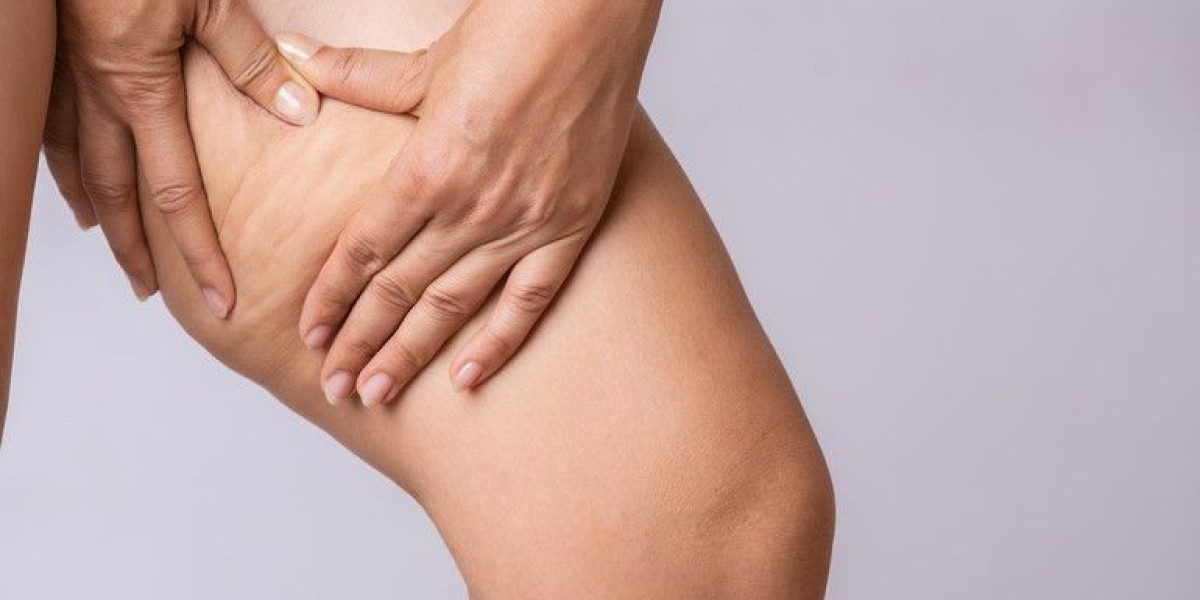

Living with lipedema can be physically exhausting and emotionally overwhelming, especially when daily movement becomes uncomfortable. Lipedema Treatment in Riyadh (علاج الوذمة الشحمية في الرياض) focuses on restoring ease of mobility while reducing pain and swelling through patient-centered care. With growing awareness and advanced medical approaches, individuals now have supportive options designed for long-term comfort and improved quality of life.
Understanding Lipedema as a Chronic Condition
Lipedema is a long-term fat distribution disorder that primarily affects the legs, hips, and sometimes arms. It is often misunderstood or mistaken for general weight gain, which can delay proper care. Recognizing lipedema early helps individuals seek targeted support rather than relying on ineffective lifestyle changes alone.
How Lipedema Impacts Daily Mobility
Mobility challenges are one of the most frustrating aspects of lipedema. Swelling, heaviness, and tenderness in affected areas can make walking, standing, or exercising uncomfortable. Over time, restricted movement may affect posture, balance, and joint health, emphasizing the importance of appropriate therapeutic support.
The Importance of Comfort-Focused Care
Comfort plays a vital role in any effective lipedema care plan. Treatment approaches prioritize reducing pressure, easing inflammation, and supporting natural movement. When comfort is addressed, patients often experience better adherence to therapy and greater confidence in maintaining an active, independent lifestyle.
Why Early Support Makes a Difference
Seeking support early can slow the progression of lipedema-related symptoms. Early intervention may help reduce pain intensity, prevent further mobility limitations, and support emotional well-being. Individuals who address symptoms proactively often report feeling more empowered and informed about their health journey.
Holistic Evaluation for Personalized Care
Effective lipedema management begins with a comprehensive assessment. This includes evaluating physical symptoms, lifestyle habits, and overall health. A personalized approach ensures that care strategies align with individual needs, helping patients feel seen, heard, and supported throughout their treatment experience.
Non-Surgical Approaches to Lipedema Relief
Many people benefit from non-invasive therapies designed to manage symptoms gently. These approaches focus on improving circulation, reducing fluid buildup, and enhancing comfort. Non-surgical options are often used as part of a broader care plan aimed at maintaining mobility and daily function.
Role of Manual Therapies in Comfort
Manual therapies can play a supportive role in easing discomfort associated with lipedema. Gentle techniques help stimulate lymphatic flow and reduce the sensation of heaviness. When incorporated consistently, these therapies may improve flexibility and support a more comfortable range of motion.
Compression Support for Daily Movement
Compression garments are commonly recommended to help manage swelling and provide structural support. Properly fitted compression wear can enhance comfort during movement and reduce fatigue. Many individuals find that consistent use allows them to stay active for longer periods without discomfort.
Exercise Adapted for Lipedema Needs
Physical activity remains important, but it must be adapted to suit lipedema-related sensitivities. Low-impact exercises such as swimming, cycling, or guided stretching support circulation without placing excessive strain on joints. Movement-focused routines help maintain strength while respecting the body’s limits.
Emotional Well-Being and Body Confidence
Lipedema can affect emotional health as much as physical comfort. Feelings of frustration or self-consciousness are common, particularly when symptoms are misunderstood. Supportive care addresses emotional well-being by fostering understanding, acceptance, and realistic expectations throughout the treatment journey.
Nutritional Awareness and Symptom Support
While diet alone does not cause or cure lipedema, mindful nutrition can support overall wellness. Balanced eating habits may help manage inflammation and energy levels. Nutritional guidance is often tailored to complement other treatment strategies, reinforcing a holistic approach to care.
Managing Pain and Sensitivity
Pain management is a key component of lipedema care. Tenderness and sensitivity can interfere with daily tasks if left unaddressed. Supportive therapies focus on minimizing discomfort, helping individuals move with greater ease and confidence in their everyday activities.
Preventing Secondary Complications
Without proper support, lipedema may contribute to secondary issues such as joint strain or lymphatic concerns. Proactive management helps reduce these risks. By addressing symptoms early and consistently, individuals can protect long-term mobility and overall physical health.
Advancements in Lipedema Awareness
Growing medical awareness has led to improved diagnostic accuracy and treatment options. Increased education empowers patients to advocate for themselves and seek specialized care. This progress has transformed lipedema management into a more informed and compassionate field.
Surgical Options as Part of Care Planning
In some cases, surgical interventions may be considered as part of a broader care strategy. These options aim to reduce diseased fat tissue while preserving surrounding structures. Surgical approaches are typically combined with ongoing supportive therapies to maintain comfort and mobility.
Post-Treatment Recovery and Support
Recovery plays a crucial role in sustaining treatment benefits. Post-care support focuses on gradual return to activity, ongoing symptom management, and emotional reassurance. Structured follow-up helps individuals adapt comfortably to changes and maintain progress over time.
Long-Term Mobility Maintenance
Maintaining mobility requires consistent attention and supportive habits. Regular movement, appropriate therapies, and lifestyle adjustments contribute to lasting comfort. Individuals who prioritize long-term care often report greater independence and reduced symptom flare-ups.
The Role of Education in Empowerment
Understanding lipedema empowers individuals to make informed decisions about their care. Educational resources clarify misconceptions and provide realistic expectations. Knowledge fosters confidence, allowing patients to actively participate in shaping their treatment journey.
Building a Supportive Care Environment
A supportive environment enhances treatment outcomes. Compassionate professionals, clear communication, and patient-centered planning create a sense of trust. When individuals feel supported, they are more likely to remain engaged and optimistic throughout their care process.
Customizing Care for Different Stages
Lipedema progresses differently for each person. Care strategies are adapted based on symptom severity and lifestyle needs. Tailored approaches ensure that individuals receive relevant support at every stage, promoting comfort and functional movement.
Lifestyle Adjustments That Encourage Comfort
Small lifestyle changes can make a meaningful difference. Choosing supportive footwear, pacing daily activities, and prioritizing rest help reduce strain. These adjustments complement medical care and contribute to sustained comfort and mobility.
Importance of Ongoing Monitoring
Regular monitoring allows care plans to evolve with changing needs. Periodic assessments help identify improvements or new challenges early. This proactive approach ensures that treatment remains effective and aligned with personal goals.
Community and Peer Support
Connecting with others who understand lipedema can be reassuring. Shared experiences provide emotional validation and practical insights. Community support often enhances motivation and helps individuals feel less isolated in their journey.
Integrating Modern Technology in Care
Technological advancements have improved treatment precision and patient education. Digital tools support monitoring, exercise guidance, and communication. These innovations make care more accessible and responsive to individual needs.
Addressing Misconceptions About Lipedema
Many misconceptions surround lipedema, leading to stigma or delayed care. Clear information helps differentiate it from other conditions. Addressing myths encourages empathy and promotes timely, appropriate treatment.
Why Location-Specific Care Matters
Access to specialized services within the region ensures continuity and convenience. Lipedema Treatment in Riyadh reflects localized expertise, cultural understanding, and modern medical standards. Location-specific care allows individuals to receive consistent support without unnecessary travel burdens.
Long-Term Outlook With Proper Support
With appropriate care, many individuals experience improved comfort and mobility. While lipedema is chronic, symptoms can be managed effectively. A proactive approach helps maintain independence and encourages a positive long-term outlook.
Choosing a Patient-Centered Clinic
Selecting a clinic that prioritizes patient comfort and education is essential. Transparent communication, tailored plans, and compassionate care create a positive treatment experience. These elements support both physical outcomes and emotional well-being.
Integrating Care Into Everyday Life
Successful management blends seamlessly into daily routines. When treatments are practical and adaptable, individuals are more likely to maintain them. This integration supports consistent progress without disrupting personal or professional responsibilities.
A Path Toward Greater Confidence
As comfort improves, confidence often follows. Enhanced mobility allows individuals to participate more fully in life. Treatment that respects personal goals helps restore a sense of control and self-assurance.
Looking Ahead With Informed Choices
Understanding available options allows individuals to plan confidently. Lipedema Treatment in Riyadh offers informed pathways that balance comfort, mobility, and long-term well-being. Making educated choices fosters trust and satisfaction throughout the care journey.
Taking the Next Step Toward Comfort
If you are seeking supportive care that prioritizes movement and daily comfort, consider exploring personalized options at Royal Clinic Saudia (عيادة رويال السعودية). With a focus on compassionate support and modern approaches, the clinic offers guidance for individuals ready to take the next step toward improved mobility and confidence.
Frequently Asked Questions
What makes lipedema different from regular fat accumulation?
Lipedema involves abnormal fat distribution and sensitivity, often accompanied by pain and swelling. Unlike regular fat, it does not respond significantly to diet or exercise alone and requires specialized care.
Can lipedema treatment improve mobility?
Yes, supportive treatment strategies aim to reduce discomfort and swelling, making movement easier. Improved mobility is a common goal of comprehensive care plans.
Is lipedema a progressive condition?
Lipedema can progress over time if unmanaged. Early and consistent care helps slow progression and supports long-term comfort and function.
Why is specialized care important for lipedema?
Specialized care addresses the unique nature of lipedema. Tailored approaches ensure symptom-focused support rather than generalized weight management strategies.