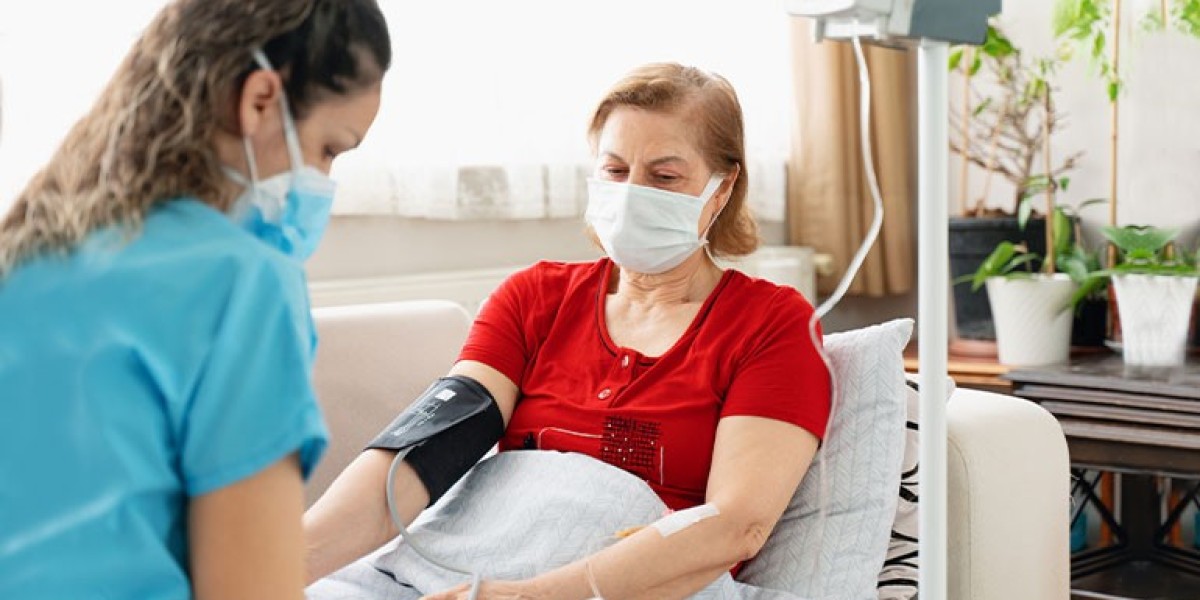

Recovering from illness or surgery often leaves patients feeling weak, dehydrated, and low on energy. In such cases, a Glucose Drip at Home has emerged as a convenient solution to help restore hydration, provide energy, and support overall recovery. While hospital-based IV therapy has been the norm, home glucose therapy offers the benefits of medical care in the comfort of one’s home. Understanding how it works, when it is appropriate, and the potential benefits and risks is essential for patients and caregivers.
How Glucose Drip Supports Recovery:
Glucose drips deliver a sterile sugar solution directly into the bloodstream, bypassing the digestive system. This allows rapid absorption and immediate availability of energy to the body’s cells. Benefits during recovery include:
Restoring depleted energy levels caused by illness or surgery
Supporting vital organs and muscles during healing
Rehydrating the body if fluids or oral intake were limited
When Home Therapy May Be Recommended:
Doctors may recommend a glucose drip at home when patients cannot maintain sufficient nutrition or hydration orally. Common scenarios include:
Post-surgical patients experiencing nausea or reduced appetite
Individuals recovering from infections or prolonged illness
Patients with temporary difficulty eating or drinking due to medical conditions
Benefits of Receiving Therapy at Home:
Home-based glucose therapy offers several advantages compared to hospital care, especially for patients in recovery. Key benefits include:
Comfort and convenience of receiving treatment in a familiar environment
Reduced risk of hospital-acquired infections
Personalized attention from trained healthcare professionals
Flexibility in scheduling sessions around rest and recovery needs
Safety Considerations for Home Glucose Therapy:
Even though home therapy is convenient, safety is a top priority. Healthcare professionals ensure the infusion is administered correctly, minimizing risks. Important safety measures include:
Using sterile technique for IV insertion and glucose preparation
Monitoring vital signs, blood sugar, and hydration status during the session
Adjusting infusion rates based on patient condition and response
Watching for adverse reactions such as dizziness, nausea, or swelling at the IV site
Potential Limitations and Risks:
While beneficial, glucose drips are not a substitute for proper nutrition or long-term recovery strategies. Limitations include:
Temporary relief of fatigue without addressing underlying nutritional deficiencies
Risk of hyperglycemia in patients with diabetes
Potential for fluid overload in those with kidney or heart conditions
Understanding these limitations ensures patients and caregivers use therapy appropriately.
How Glucose Drip Complements Post-Illness or Post-Surgery Care:
A glucose drip can enhance recovery when combined with other supportive measures. These complementary strategies include:
Maintaining balanced meals and adequate hydration when possible
Gradually resuming physical activity as advised by a doctor
Following post-surgical or post-illness medication and care instructions
By integrating glucose therapy with overall recovery plans, patients can regain strength more efficiently.
Monitoring During Recovery:
Professional monitoring is crucial for safe home glucose therapy. Healthcare providers typically:
Track blood sugar levels before, during, and after infusion
Observe for signs of dehydration, fatigue, or adverse reactions
Adjust glucose dosage and infusion rate according to patient response
Provide guidance for post-infusion care and follow-up
Ideal Candidates for Home Glucose Therapy:
Not every patient recovering from illness or surgery requires a glucose drip. Candidates who benefit the most include:
Elderly or mobility-limited patients who find hospital visits challenging
Individuals with temporary inability to maintain oral nutrition or fluids
Patients who require rapid energy replenishment for recovery support
Alternative or Complementary Recovery Methods:
In some cases, alternative methods can provide support alongside or instead of glucose therapy. These include:
Oral rehydration solutions or fortified drinks
Small, frequent meals rich in carbohydrates, protein, and electrolytes
Adequate rest and gradual physical activity
These strategies, combined with professional guidance, ensure balanced and safe recovery.
Final Thoughts
A Glucose Drip at Home can be a helpful tool for patients recovering from illness or surgery, offering rapid energy restoration, hydration support, and convenience in a familiar environment. When administered under professional supervision, it complements nutrition and recovery plans, helping patients regain strength safely. Understanding the benefits, limitations, and proper precautions ensures that home glucose therapy provides effective support while minimizing risks during the critical recovery period.