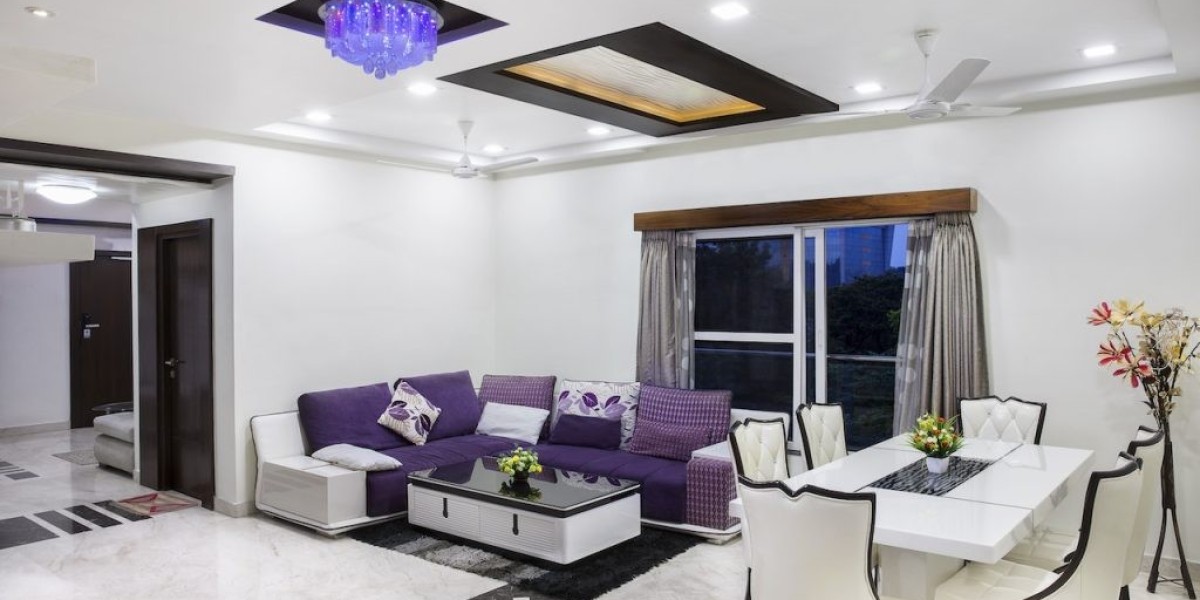

Islamic interior design is rooted in spirituality, balance, and beauty. It emphasizes harmony, modesty, and intricate artistic expression, making it deeply meaningful for Pakistani homes. By incorporating Islamic design elements, homeowners can create serene, elegant spaces that reflect faith while maintaining comfort and modern functionality.
With the guidance of a professional interior designer, Islamic design principles can be seamlessly integrated into contemporary Pakistani homes without overwhelming the space.
Core Principles of Islamic Interior Design
Islamic interior design is guided by values of symmetry, balance, and order. It avoids excess while celebrating beauty through detail and craftsmanship. Spaces are designed to promote peace, reflection, and spiritual connection.
An experienced interior designer in Karachi understands how to apply these principles in a way that suits urban lifestyles and local architecture.
Islamic Geometric Patterns
Geometric patterns are a hallmark of Islamic design. These patterns symbolize infinity and unity and are often used in wall panels, tiles, screens, and flooring.
A skilled interior designer incorporates geometric motifs subtly through accent walls, carved panels, or floor designs to maintain elegance.
Arabic Calligraphy as Art
Arabic calligraphy featuring verses from the Quran or Islamic phrases adds spiritual depth and visual beauty. Calligraphy can be displayed as wall art, carved wood panels, or metal installations.
A professional interior designer in Karachi ensures calligraphy placement is respectful, balanced, and harmonized with the overall interior theme.
Archways and Curved Forms
Islamic interiors often feature arches, domes, and curved shapes that soften architectural lines and create a sense of grandeur. These elements can be introduced through doorways, niches, or decorative panels.
An expert interior designer adapts these features to modern homes while maintaining structural practicality.
Natural Materials and Earthy Tones
Islamic design favors natural materials such as wood, stone, marble, and clay. Earthy tones like beige, brown, cream, and muted gold create warmth and tranquility.
A knowledgeable interior designer in Karachi selects materials that are durable and suitable for Pakistan’s climate while preserving authenticity.
Mashrabiya and Decorative Screens
Decorative wooden or metal screens, inspired by mashrabiya designs, provide privacy while allowing airflow and light. These screens work beautifully as room dividers or window panels.
A professional interior designer integrates screens into modern layouts without compromising openness.
Traditional Lighting and Lanterns
Lighting plays a significant role in Islamic interiors. Lantern-style lights, brass fixtures, and patterned lamps cast soft, warm glows that enhance the spiritual ambiance.
A skilled interior designer in Karachi carefully plans lighting to create calm and inviting spaces for prayer and relaxation.
Prayer Spaces and Mihrab-Inspired Niches
Dedicated prayer areas are an essential feature in many Pakistani homes. Mihrab-inspired niches or softly defined prayer corners add both functionality and spiritual focus.
An experienced interior designer designs prayer spaces that are peaceful, private, and aesthetically integrated into the home.
Symmetry and Balanced Layouts
Islamic design values symmetry and proportion. Balanced furniture arrangements and aligned architectural elements create visual harmony.
A professional interior designer in Karachi ensures layouts feel organized, calm, and spiritually uplifting.
Use of Water and Nature Elements
Water features and greenery symbolize purity and life in Islamic design. Indoor plants or small water-inspired décor elements enhance serenity.
A thoughtful interior designer incorporates nature-inspired elements subtly to complement modern interiors.
Blending Islamic Design with Modern Living
Modern Pakistani homes require comfort, efficiency, and flexibility. Islamic design elements can be blended with contemporary furniture, technology, and layouts for a refined and livable environment.
A qualified interior designer in Karachi ensures that faith-based aesthetics and modern functionality coexist seamlessly.
Conclusion
Islamic interior design brings spirituality, elegance, and cultural depth to Pakistani homes. From geometric patterns and calligraphy to arches, lighting, and prayer spaces, these elements create interiors that are peaceful and meaningful.
By working with a professional interior designer in Karachi, homeowners can incorporate Islamic design elements in a tasteful and modern way. A skilled interior designer ensures that every space reflects faith, comfort, and timeless beauty—creating a home that nourishes both the soul and everyday living.