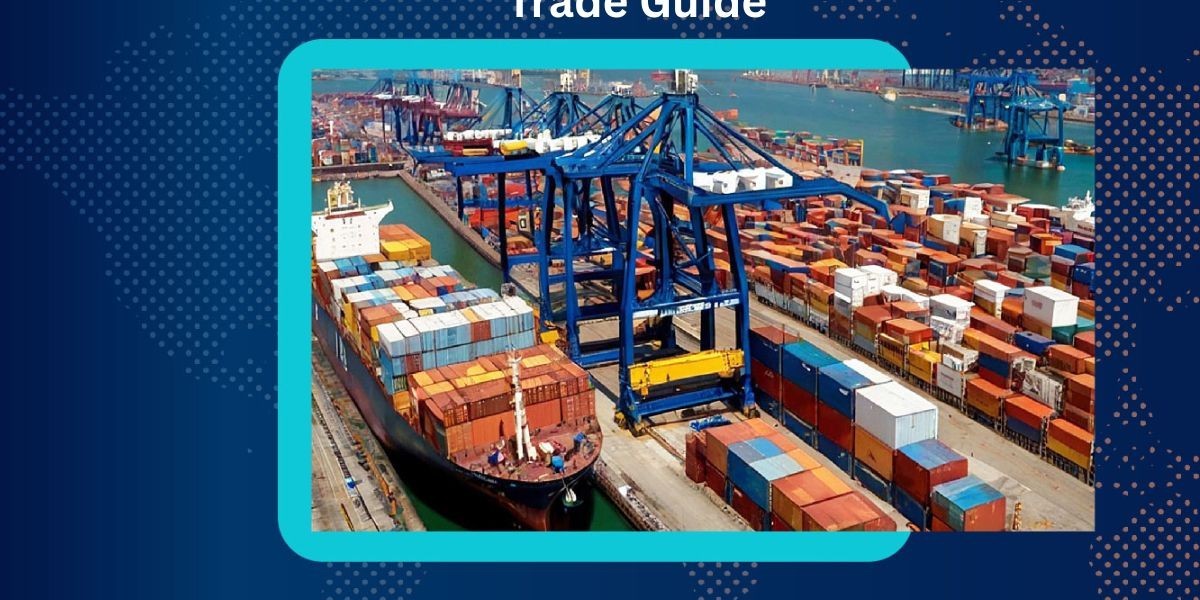

In international trade, goods don’t simply move from one country to another. Every shipment must pass through a legal and regulatory checkpoint known as customs clearance. Yet, for many businesses—especially first-time exporters or importers—the customs clearance meaning remains confusing, filled with paperwork, codes, and unfamiliar terms like HS code, in transit, or DDP vs DAP.
At One Union Solutions, we work closely with global traders, logistics providers, and manufacturers to simplify cross-border trade. This guide explains customs clearance in plain English—what it means, why it matters, how it works, and how businesses can avoid costly delays.
What Is Customs Clearance?
Customs clearance is the formal process of getting goods approved by a country’s customs authority so they can legally enter or exit that country.
In simple terms, it’s how governments ensure that:
The correct duties and taxes are paid
The goods comply with import/export laws
Restricted or prohibited items are controlled
Trade data is accurately recorded
Without customs clearance, shipments are stopped at ports, airports, or land borders—often leading to penalties, storage charges, or even confiscation.
Why Customs Clearance Is So Important
Customs clearance is not just a bureaucratic formality. It directly affects:
Delivery timelines
Total landed cost
Supply chain reliability
Legal compliance
According to global trade studies, customs-related delays account for nearly 20–25% of international shipping disruptions, especially in emerging markets. Businesses that understand and manage customs clearance efficiently gain a significant competitive advantage.
How the Customs Clearance Process Works
Although procedures vary by country, the basic customs clearance process follows these steps:
1. Document Submission
Customs authorities require specific documents, including:
Commercial invoice
Packing list
Bill of lading or airway bill
Import/export license (if applicable)
HS code classification
Any mismatch or error here can delay clearance.
2. HS Code Classification
One of the most critical elements is the HS code, also known as the Harmonized System Code.
What is HS Code?
The harmonized system code is a globally standardized 6-digit classification system used to identify traded products.
Each HS code determines:
Import duties
GST/VAT rates
Regulatory requirements
For example, automotive components sourced from the Chinese car parts market fall under specific HS codes that differ by part type—engine components, brake systems, electronics, etc.
Incorrect HS classification is one of the top reasons for customs penalties worldwide.
3. Duty and Tax Assessment
Once the HS code is confirmed, customs calculates:
Import duty
Additional taxes (VAT/GST)
Anti-dumping duties (if applicable)
This is where Incoterms like DAP vs DDP become crucial.
4. Customs Inspection (If Required)
Customs may physically inspect goods to verify:
Declared value
Product description
Country of origin
High-risk shipments or first-time importers are more likely to be inspected.
5. Clearance and Release
Once all requirements are met, customs releases the shipment for delivery or onward transit.
Meaning of “In Transit” in Customs
You’ll often hear the term in transit during international shipping.
In Transit Meaning
In transit means goods are being transported through a country or between locations but are not yet cleared for final import.
The meaning of in transit is important because:
Duties are usually not paid until final clearance
Goods may be stored temporarily under customs control
Special transit documents may be required
For example, goods moving from China to Africa via an Indian port may remain in transit without entering the Indian market.
DDP vs DAP: How Incoterms Affect Customs Clearance
Incoterms define who is responsible for customs clearance and costs.
DDP (Delivered Duty Paid)
Seller handles customs clearance
Seller pays duties and taxes
Buyer receives goods fully cleared
DAP (Delivered At Place)
Buyer is responsible for customs clearance
Buyer pays duties and taxes
The DDP vs DAP debate often comes down to control vs convenience. Many importers prefer DDP to avoid customs complexity, while experienced buyers choose DAP for cost transparency.
Understanding DAP vs DDP is essential to avoid disputes, unexpected charges, or clearance delays.
Customs Clearance in Specialized Markets
Automotive Parts Manufacturers in China
China is the world’s largest exporter of automotive components. Importing from automotive parts manufacturers in China requires:
Precise HS codes
Country-of-origin documentation
Compliance with safety and quality standards
With the rapid growth of the Chinese car parts market, customs authorities globally are increasing scrutiny to prevent misdeclaration and under-valuation.
Role of Warehousing in Customs Clearance
Customs clearance doesn’t end at the border. Storage plays a key role.
Warehousing Services and Customs
Modern warehousing services support customs clearance by:
Holding goods under bonded status
Allowing deferred duty payments
Enabling inspections and labeling
Full-Service Warehousing
Full-service warehousing goes beyond storage, offering:
Customs-bonded facilities
Inventory management
Repacking and redistribution
Compliance support
At One Union Solutions, integrated warehousing and customs coordination help businesses reduce dwell time and demurrage costs significantly. https://oneunionsolutions.com/ior-service/
Common Customs Clearance Challenges (And How to Avoid Them)
1. Incorrect HS Codes
Solution: Work with experienced trade specialists and conduct pre-classification reviews.
2. Incomplete Documentation
Solution: Use standardized checklists and digital document management.
3. Misunderstanding Incoterms
Solution: Clearly define DDP or DAP responsibilities in contracts.
4. Lack of Local Expertise
Solution: Partner with customs professionals who understand country-specific regulations.
Expert Insight: Why Customs Strategy Matters
Trade compliance experts agree that companies with a proactive customs strategy reduce clearance delays by up to 30%. Businesses that treat customs clearance as a strategic function—not an afterthought—benefit from smoother supply chains and predictable costs. https://oneunionsolutions.com/freight-forwarding-service/
Why Choose a Trusted Partner for Customs Clearance
Customs regulations evolve constantly. Tariff changes, new trade agreements, and stricter enforcement make DIY approaches risky.
One Union Solutions provides:
End-to-end customs clearance support
HS code and compliance expertise
Integrated warehousing services
Industry-specific trade solutions
This combination ensures accuracy, speed, and compliance—three pillars of successful global trade.
Conclusion: Understanding Customs Clearance Is a Business Advantage
The true customs clearance meaning goes far beyond paperwork. It’s about compliance, efficiency, cost control, and trust in global trade.
Whether you’re importing from the Chinese car parts market, navigating in transit shipments, comparing DDP vs DAP, or relying on full-service warehousing, a clear understanding of customs clearance protects your business from delays and financial risk.
With the right knowledge—and the right partner like One Union Solutions—customs clearance becomes not a barrier, but a strategic gateway to international growth. https://oneunionsolutions.com/blog/