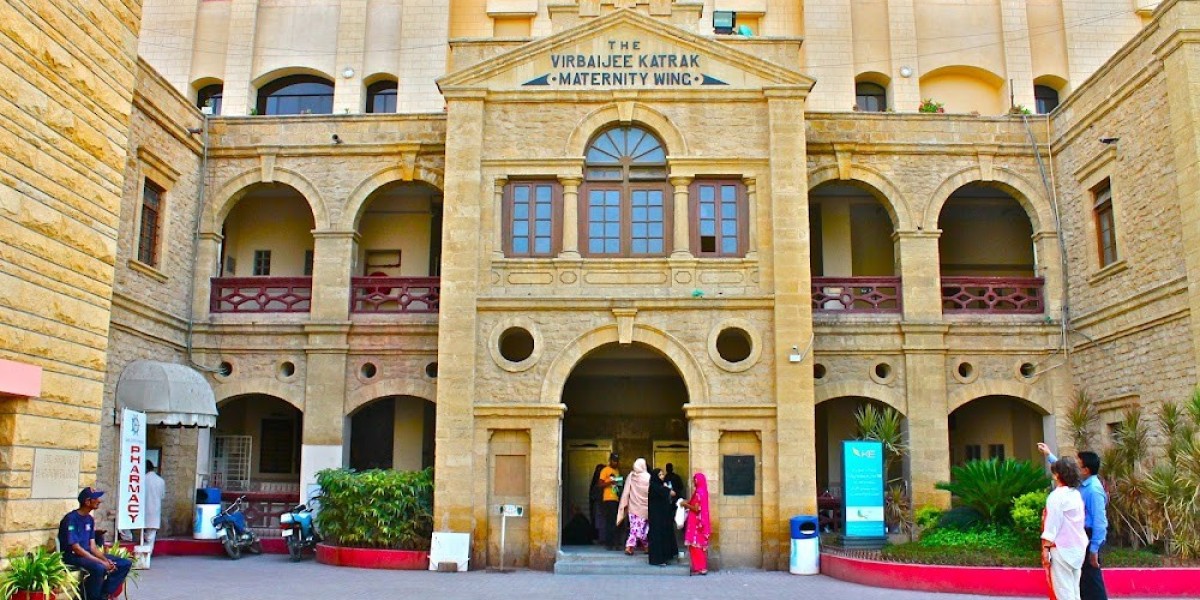

Hospitals in Karachi: A Complete Guide to Quality Healthcare
Karachi is the largest city of Pakistan and serves as the country’s main medical hub. With a rapidly growing population, the demand for quality healthcare has increased significantly. As a result, Hospitals in Karachi have evolved to offer modern facilities, advanced medical technologies, and specialized treatments to patients from all over the country.
The city hosts a diverse range of hospitals, including public, private, and semi-private institutions. Public hospitals play a vital role in providing affordable healthcare to the masses, especially those from low-income backgrounds. These hospitals often handle large patient volumes and offer essential services such as emergency care, surgery, maternity care, and outpatient treatment.
On the other hand, private hospitals in Karachi are known for their advanced infrastructure and patient-centered services. Many of these hospitals are equipped with state-of-the-art diagnostic machines, modern operation theaters, and internationally trained doctors. Patients seeking specialized treatments such as cardiology, oncology, neurology, and orthopedics often prefer private healthcare facilities due to shorter waiting times and personalized care.
Another key feature of healthcare in Karachi is the availability of emergency and trauma services. Several hospitals operate 24/7 emergency departments capable of handling critical cases such as accidents, heart attacks, and severe injuries. Ambulance networks and rapid response units further strengthen the emergency medical system across the city.
Medical education and research also benefit from Karachi’s hospital network. Teaching hospitals affiliated with medical universities provide training to future doctors, nurses, and healthcare professionals. These institutions contribute to medical research and help improve treatment standards nationwide.
In recent years, technology has transformed the healthcare experience. Many hospitals now offer online appointment booking, digital medical records, telemedicine consultations, and automated pharmacy systems. These innovations improve efficiency and make healthcare more accessible for patients living in busy urban environments.
Despite these advancements, challenges remain. Overcrowding in public hospitals, high treatment costs in private facilities, and unequal access to healthcare services are ongoing concerns. However, continuous investments and government initiatives aim to improve infrastructure and expand healthcare coverage across Karachi.
Overall, Hospitals in Karachi play a crucial role in maintaining public health and saving lives. Whether someone requires basic medical attention or complex surgical procedures, the city offers a wide spectrum of healthcare options. With ongoing improvements and technological integration, Karachi continues to strengthen its position as Pakistan’s leading healthcare center.