
Comme des Garçons was established in Tokyo by Rei Kawakubo during the early seventies.
The label rejected decorative norms and commercial expectations dominating global fashion systems.
Instead, it emphasized intellectual consistency, structure, and long term creative independence.
This philosophy shaped every garment category produced across decades of operation.
The brand’s identity relied on ideas rather than seasonal popularity.
Such foundations later guided the introduction of casual garments.
Hoodie Placement Within the Brand Framework
As casual clothing became widely accepted, the hoodie entered Comme des Garçons collections gradually.
It was treated with equal seriousness as tailored or conceptual pieces.
Design decisions focused on proportion, silhouette interaction, and layering compatibility.
The hoodie supported collection narratives rather than functioning as a standalone highlight.
This ensured continuity across menswear and womenswear offerings.
The garment aligned naturally with the brand’s restrained visual language.
Digital Reference and Seasonal Awareness
Global audiences increasingly rely on official digital sources for collection understanding.
Winter research and release context are often referenced through comme-des-garconn.com by followers.
The platform presents information clearly without urgency or promotional emphasis.
Seasonal timing does not significantly alter communication tone or structure.
This restraint reinforces credibility across international markets.
Digital clarity supports informed engagement rather than impulse driven behavior.
Christmas Day and Winter Dressing Practices
Christmas Day clothing often reflects routine rather than overt festive symbolism.
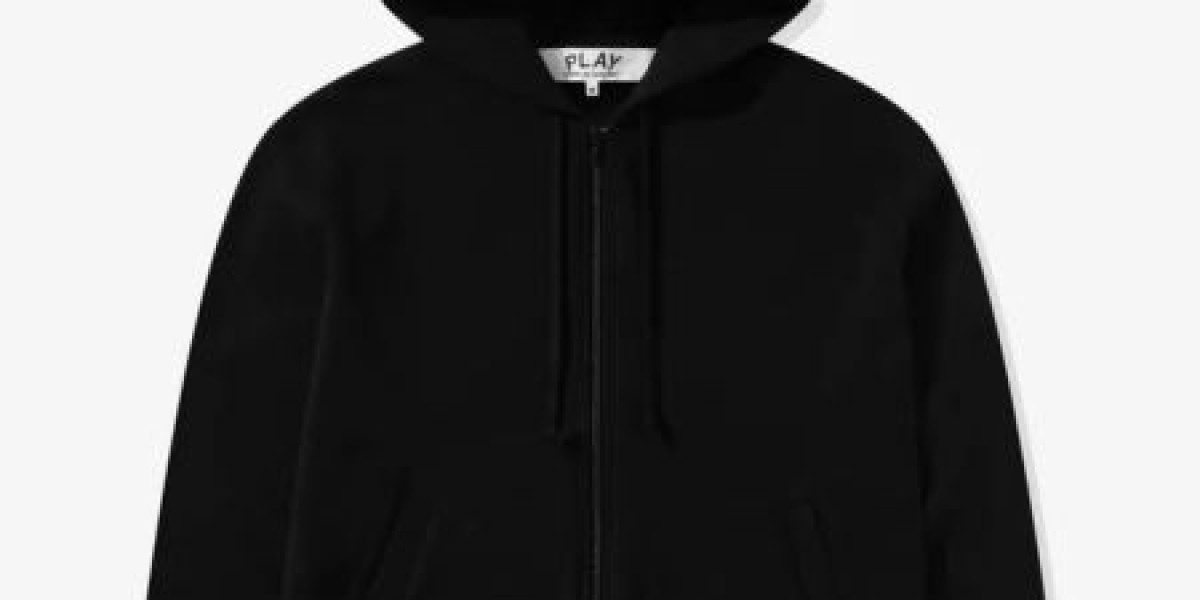
The comme des garconn hoodie fits smoothly into winter habits without decorative references.
Its neutral appearance allows wearers to define meaning through personal experience.
Long indoor gatherings benefit from familiar wardrobe choices.
Holiday relevance develops organically through repeated seasonal use.
The garment becomes part of lived moments instead of symbolic attire.
Collaborations and Cultural Reach Expansion
Collaborations introduced Comme des Garçons hoodies to broader cultural audiences worldwide.
Each partnership maintained Rei Kawakubo’s oversight and creative boundaries.
Rather than novelty driven releases, collaborations reflected shared artistic perspectives.
The hoodie gained wider recognition without altering core brand identity.
Cultural presence expanded steadily across fashion and creative communities.
This measured growth reinforced long term relevance rather than temporary attention.
Market Position During Winter Cycles
Winter shopping periods often intensify messaging across luxury fashion markets globally.
Comme des Garçons maintains consistent positioning regardless of calendar driven demand.
Pricing and availability remain stable throughout the year.
The hoodie’s value is not influenced by seasonal urgency narratives.
This stability differentiates the brand from promotion focused competitors.
Consumers respond to reliability and continuity over time limited messaging.
Longevity Beyond Seasonal Association
A Comme des Garçons hoodie rarely feels limited to a specific season.
Its relevance extends across winter, transitional months, and cooler evenings.
Christmas Day becomes one moment within an ongoing wearing pattern.
Repeated use strengthens familiarity rather than reducing significance.
This longevity encourages mindful ownership and reduced replacement cycles.
Endurance reflects the brand’s resistance to short term consumption models.
Personal Memory and Quiet Cultural Meaning
Garments worn frequently accumulate meaning through daily routines and shared experiences.
The hoodie accompanies ordinary days alongside winter gatherings.
Christmas associations attach subtly without changing visual identity.
These memories increase emotional value beyond material considerations.
The garment becomes part of individual narratives over time.
Its quiet presence defines lasting cultural significance.