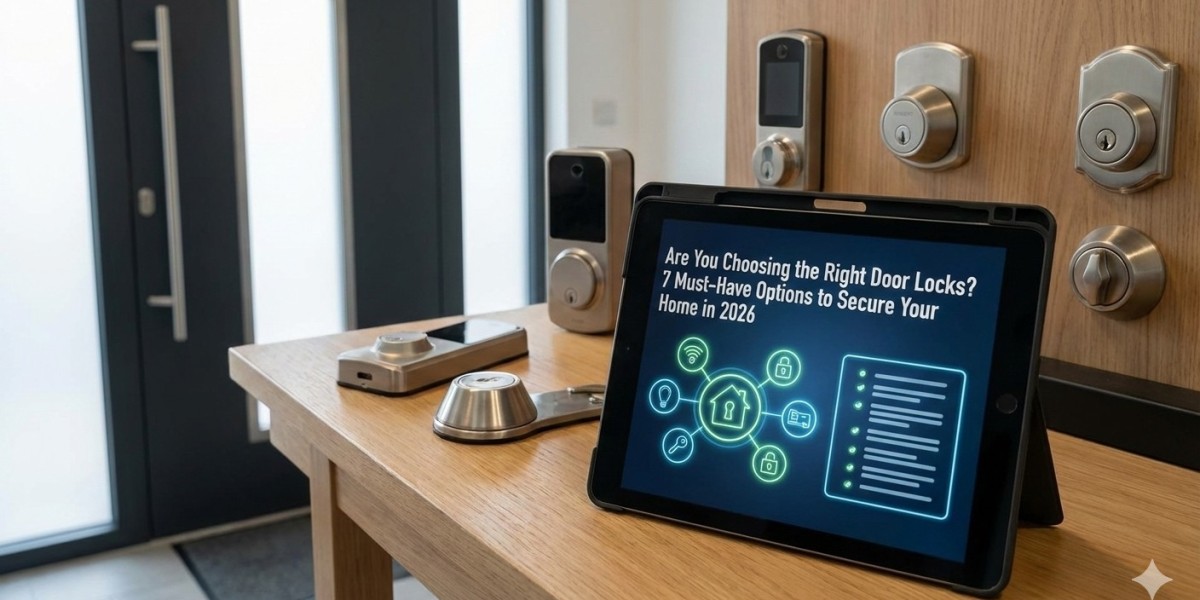

Choosing a door lock isn’t just about security anymore—it’s about compliance, safety, and liability. Whether you manage a commercial building, rental property, or public space, non-compliant door locks can fail inspections, invalidate insurance, and put lives at risk.
So how do you know if your door locks meet local building codes and fire safety regulations?
This guide breaks down 7 essential compliance requirements, helps you avoid costly mistakes, and shows you how to choose code-approved door locks with confidence.
Why Door Lock Compliance Matters More Than Ever
Local building regulations and fire safety codes exist to ensure:
- Safe emergency exits
- Accessibility for all users
- Controlled access without restricting escape
- Reduced legal and insurance risk
Installing the wrong door lock—even unintentionally—can result in:
- Failed building inspections
- Enforcement notices or fines
- Delayed occupancy approvals
- Serious liability during emergencies
7 Door Lock Compliance Requirements You Must Know
1. Emergency Exit Doors Must Unlock Without Keys
Most building and fire codes require that exit doors open from the inside without keys, tools, or special knowledge.
This is critical during:
- Fires
- Power failures
- Crowd evacuations
Locks that restrict free exit are not compliant on designated escape routes.
2. Panic & Fire Exit Areas Require Approved Locking Solutions
In public and commercial buildings, standard door locks may not be allowed on:
- Fire exits
- Emergency exits
- High-occupancy doors
Approved solutions include:
- Panic hardware
- Emergency release mechanisms
- Fail-safe electric locks
3. Accessibility Compliance Is Mandatory
Accessibility regulations require door locks to be:
- Easy to operate
- Positioned at the correct height
- Usable without tight grasping or twisting
This ensures access for:
- Wheelchair users
- Elderly occupants
- People with limited mobility
4. External Door Locks Must Balance Security and Escape
External doors must prevent unauthorized entry without trapping occupants inside.
Compliant locks offer:
- Controlled access from outside
- Free egress from inside
- Compatibility with access control systems
5. Fire-Rated Doors Require Fire-Tested Locks
If a door is fire-rated, the lock must also be fire-rated.
Using non-rated locks on fire doors can:
- Invalidate certification
- Cause inspection failure
- Compromise fire resistance
6. Residential & Rental Properties Have Specific Lock Rules
Many local housing regulations require:
- Secure locking on entrance doors
- Escape-friendly locking on internal exit routes
- Child-safe but emergency-accessible designs
Landlords are legally responsible for compliance.
7. Certified Door Locks Pass Inspections—Cheap Ones Don’t
Low-cost, uncertified locks often:
- Fail durability testing
- Jam under pressure
- Get rejected by inspectors
Certified door locks ensure:
- Code compliance
- Long-term reliability
- Peace of mind during audits
How to Choose Code-Compliant Door Locks
When buying door locks, look for:
- Certification to recognized building & fire standards
- Clear use-case labeling (internal, external, fire door, escape route)
- Durable construction and smooth operation
- Compatibility with emergency and access control systems
Avoid locks with unclear specifications or no compliance documentation.
Where Are Code-Compliant Door Locks Required?
Door lock compliance is essential in:
- Commercial buildings
- Offices and retail spaces
- Schools and universities
- Hospitals and healthcare facilities
- Apartment blocks and rental properties
Local regulations may vary, but most authorities enforce strict life-safety standards.
Ready to Upgrade to Compliant Door Locks?
If your property needs secure, certified, inspection-ready door locks, now is the time to act.
Building-code compliant door locks
Suitable for residential & commercial use
Trusted solutions for inspections and audits
Contact us today for expert advice or a quotation on compliant door locks.
FAQs
Are door locks regulated by building codes?
Yes, most building and fire safety codes regulate the type of door locks allowed, especially on exit and fire doors.
What door locks are allowed on fire exits?
Fire exits typically require locks that allow free and immediate exit, such as panic hardware or fail-safe locking systems.
Do residential properties need compliant door locks?
Yes, rental and multi-occupancy residential buildings must follow local housing and safety regulations for door locks.
Can electronic door locks be code-compliant?
Yes, electronic locks can be compliant if they unlock automatically during power failure or emergencies.
What happens if door locks fail inspection?
Non-compliant door locks may need immediate replacement and can result in fines or occupancy delays.
Questions & Answers
“Are door locks required to meet building codes?”
Yes, door locks must meet local building and fire safety codes, especially on exit and fire doors.
“What door locks are allowed on emergency exits?”
Emergency exits require locks that allow instant opening from the inside without keys or tools.
“Can I use standard locks on fire-rated doors?”
Only fire-rated locks approved for use on fire doors are allowed.
Security is essential—but compliance is critical.
Protect your property, occupants, and reputation with certified, code-approved door locks.
Enquire now to get compliant door lock solutions for your building today.










