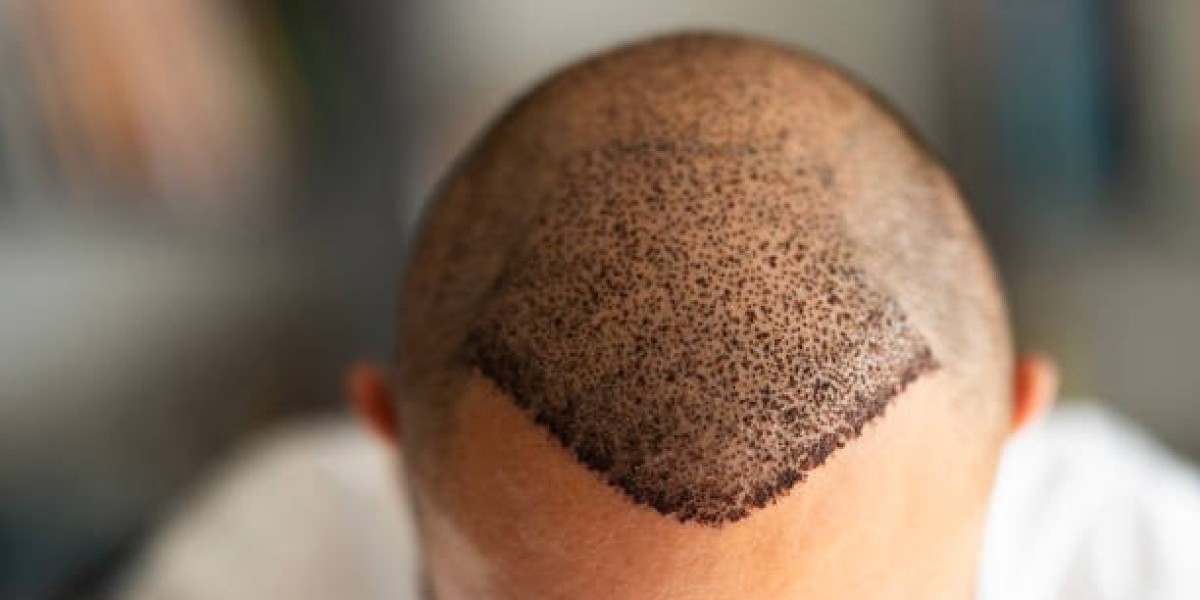

Hair loss is no longer viewed as a purely cosmetic issue—it is now understood as a biological process influenced by genetics, cellular communication, inflammation, and follicle health. Exosomes Therapy for Hair Loss in Riyadh is emerging as a science-driven, regenerative approach that targets hair thinning at its root rather than masking symptoms. This advanced therapy focuses on reactivating dormant follicles by restoring cellular signaling, offering renewed hope for long-term hair revitalization.
Understanding Hair Follicle Dormancy
Hair follicles are dynamic mini-organs that cycle through growth, rest, and shedding phases throughout life. When this cycle is disrupted, follicles may enter a prolonged resting state known as dormancy.
Dormant follicles are not dead; they are inactive. Reduced blood flow, hormonal imbalance, chronic inflammation, and poor cellular communication prevent these follicles from re-entering the growth phase. Understanding dormancy is essential because effective treatments must focus on reactivating follicles rather than replacing them.
The Hair Growth Cycle Explained
To appreciate how advanced regenerative therapies work, it is important to understand the natural hair growth cycle and how it becomes disrupted.
Anagen Phase – Active Growth
The anagen phase is the active growth period where hair follicles produce visible hair strands. This phase can last several years and determines hair length and thickness. Healthy signaling pathways and nutrient delivery are critical for maintaining this stage and preventing premature hair thinning.
Catagen Phase – Transition
Catagen is a short transitional phase where hair growth slows, and the follicle begins to shrink. This stage prepares the follicle to rest. Disruptions here can shorten the growth cycle and reduce hair density over time.
Telogen Phase – Resting State
During the telogen phase, hair follicles rest and eventually shed old hair. Prolonged telogen phases are a key contributor to hair loss, as follicles fail to restart growth. Reactivating follicles at this stage is the primary goal of regenerative hair therapies.
Why Traditional Hair Loss Treatments Often Fall Short
Many conventional hair loss solutions focus on slowing hair shedding rather than restoring follicle function. While these treatments may offer temporary improvement, they often fail to address underlying cellular dysfunction.
Topical solutions and oral medications typically do not repair damaged signaling pathways or regenerate follicle environments. As a result, dormant follicles remain inactive, leading to gradual thinning despite ongoing treatment. This limitation has driven the demand for regenerative solutions.
The Science Behind Exosomes
Exosomes are microscopic extracellular vesicles naturally released by stem cells and other regenerative cells. They act as biological messengers, carrying proteins, growth factors, RNA, and signaling molecules that influence cellular behavior.
Unlike stem cells, exosomes do not replicate or alter DNA. Instead, they deliver precise instructions that encourage tissue repair, reduce inflammation, and stimulate regeneration. This makes them a powerful tool in hair restoration science.
How Exosomes Communicate with Hair Follicles
Cell-to-cell communication is the foundation of healthy hair growth. Exosomes enhance this communication by delivering targeted signals directly to follicle cells.
These signals activate dormant follicles, improve blood vessel formation around the scalp, and restore the natural hair growth cycle. By addressing the biological root of hair loss, exosomes help follicles regain their ability to produce strong, healthy hair.
Exosomes Therapy for Hair Loss in Riyadh: A Regenerative Approach
Exosomes Therapy for Hair Loss in Riyadh represents a shift toward precision-based hair restoration. Rather than forcing follicles to grow, this therapy supports the scalp’s natural regenerative capacity.
The treatment works by improving the follicular environment, restoring cellular signaling, and reducing inflammation. This approach aligns with modern regenerative medicine principles, making it appealing to individuals seeking advanced, non-surgical hair restoration solutions.
Reactivating Dormant Hair Follicles at the Cellular Level
Dormant follicles require specific biological triggers to restart growth. Exosomes deliver these triggers directly where they are needed.
By activating key growth pathways, exosomes encourage follicles to re-enter the anagen phase. This cellular-level stimulation promotes thicker hair strands, improved density, and healthier scalp conditions over time.
Role of Growth Factors in Hair Regeneration
Growth factors play a critical role in follicle stimulation and tissue repair. Exosomes are rich in these regenerative molecules.
When delivered to the scalp, growth factors enhance follicle metabolism, improve nutrient absorption, and stimulate stem cell activity within hair follicles. This creates an optimal environment for sustained hair regrowth.
Reducing Scalp Inflammation for Better Hair Growth
Chronic scalp inflammation is a major contributor to hair follicle dormancy. It restricts blood flow and disrupts cellular signaling.
Exosomes possess anti-inflammatory properties that calm the scalp environment. By reducing inflammation, they allow follicles to recover and respond more effectively to regenerative signals, improving overall hair health.
Enhancing Blood Supply to Hair Follicles
Healthy blood circulation is essential for delivering oxygen and nutrients to hair follicles. Poor circulation can accelerate hair thinning.
Exosome-based therapy promotes angiogenesis, the formation of new blood vessels. This increased blood supply supports follicle metabolism and enhances the longevity of the growth phase.
Differences Between Exosomes and Traditional Regenerative Treatments
While other regenerative treatments rely on the body’s existing repair mechanisms, exosomes provide direct biological instructions.
This distinction allows exosomes to work more efficiently, particularly in individuals with weakened regenerative capacity. The precision of exosome signaling sets it apart as a next-generation solution for hair restoration.
Exosomes vs PRP for Hair Restoration
PRP relies on concentrating growth factors from the patient’s blood, while exosomes deliver a higher concentration of regenerative signals.
Exosomes provide consistent, targeted messaging without variability. This makes them particularly effective for addressing stubborn hair loss patterns and long-term follicle dormancy.
Who Can Benefit from Exosome-Based Hair Therapy
This therapy is suitable for individuals experiencing early to moderate hair thinning, pattern hair loss, or stress-related shedding.
It is also beneficial for those who have not achieved desired results from conventional treatments. By restoring follicle communication, exosomes support natural, progressive hair improvement.
Addressing Male and Female Hair Loss Patterns
Hair loss affects men and women differently, influenced by hormones and genetic factors.
Exosome therapy adapts to both patterns by targeting follicular health rather than hormone suppression. This versatility makes it a valuable option for diverse hair loss concerns.
The Importance of Scalp Health in Hair Regrowth
A healthy scalp provides the foundation for strong hair growth. Conditions such as dryness, irritation, and poor circulation hinder follicle activity.
Exosome therapy improves scalp quality by enhancing hydration, reducing irritation, and restoring cellular balance, allowing hair follicles to function optimally.
Long-Term Benefits of Exosome Therapy
The goal of regenerative hair therapy is sustainable improvement rather than temporary results.
By restoring natural hair growth cycles, exosomes support long-term follicle vitality. Continued improvement over time reflects the therapy’s ability to address root causes rather than symptoms.
Safety Profile and Scientific Backing
Exosomes are acellular, meaning they do not introduce foreign cells into the body.
Their use in regenerative medicine is supported by ongoing research highlighting their safety and effectiveness. This scientific foundation strengthens trust in exosome-based hair restoration approaches.
Personalized Hair Restoration Strategies
No two hair loss cases are identical. A personalized approach ensures optimal outcomes.
Exosome therapy can be integrated into individualized treatment plans that consider hair density, scalp condition, and lifestyle factors, supporting holistic hair restoration.
Psychological Impact of Hair Restoration
Hair loss often affects self-confidence and emotional well-being.
Restoring hair density through regenerative therapies can positively influence self-image. Feeling confident in one’s appearance often translates into improved quality of life.
Exosomes Therapy for Hair Loss in Riyadh and Modern Clinics
Exosomes Therapy for Hair Loss in Riyadh is increasingly offered by advanced clinics embracing regenerative medicine.
This reflects a growing demand for evidence-based, innovative solutions that prioritize natural regeneration over invasive procedures.
The Future of Hair Restoration Technology
Hair restoration continues to evolve as science advances.
Exosomes represent a significant step forward, bridging the gap between biology and aesthetics. Ongoing research suggests expanding applications, reinforcing their role in future hair care strategies.
Integrating Lifestyle Factors for Optimal Results
Regenerative therapies work best when supported by healthy habits.
Balanced nutrition, stress management, and proper scalp care complement exosome therapy, enhancing results and supporting long-term hair vitality.
Why Education Matters in Hair Loss Treatment
Understanding treatment mechanisms empowers individuals to make informed decisions.
Educational content helps set realistic expectations and highlights the importance of regenerative approaches that align with biological processes.
Choosing Advanced Hair Restoration Solutions
Modern patients seek solutions that are effective, safe, and scientifically validated.
Exosome-based therapies meet these criteria by focusing on cellular health, offering a progressive alternative to outdated hair loss treatments.
Restoring Confidence Through Regeneration
Hair restoration is about more than aesthetics—it is about restoring confidence.
By reactivating dormant follicles, regenerative therapies help individuals feel more like themselves, supporting both physical appearance and emotional well-being.
Final Thoughts on Exosome Hair Therapy
Exosomes Therapy for Hair Loss in Riyadh continues to redefine how hair thinning is treated.
By addressing cellular dysfunction, inflammation, and follicle dormancy, this therapy offers a comprehensive, science-backed path to healthier hair growth.
Take the Next Step Toward Healthier Hair
If you are exploring advanced, regenerative hair restoration options, Royal Clinic Saudia offers cutting-edge solutions designed around modern science and personalized care. Discover how innovative hair therapies can help reactivate dormant follicles and support long-term hair vitality with confidence and trust.
FAQs:
What makes exosome therapy different from traditional hair loss treatments?
Exosome therapy targets cellular communication and follicle regeneration rather than simply reducing hair shedding, offering a more comprehensive approach to hair restoration.
Is exosome therapy suitable for early-stage hair thinning?
Yes, it is particularly effective in early to moderate hair loss, where follicles are dormant but still viable and responsive to regenerative signals.
How long does it take to notice improvements?
Hair regeneration is gradual. Visible improvements typically develop over several months as follicles re-enter the natural growth cycle.
Can exosome therapy be combined with other hair treatments?
Yes, it can complement other non-invasive hair restoration methods, enhancing overall results through improved follicle health and signaling.