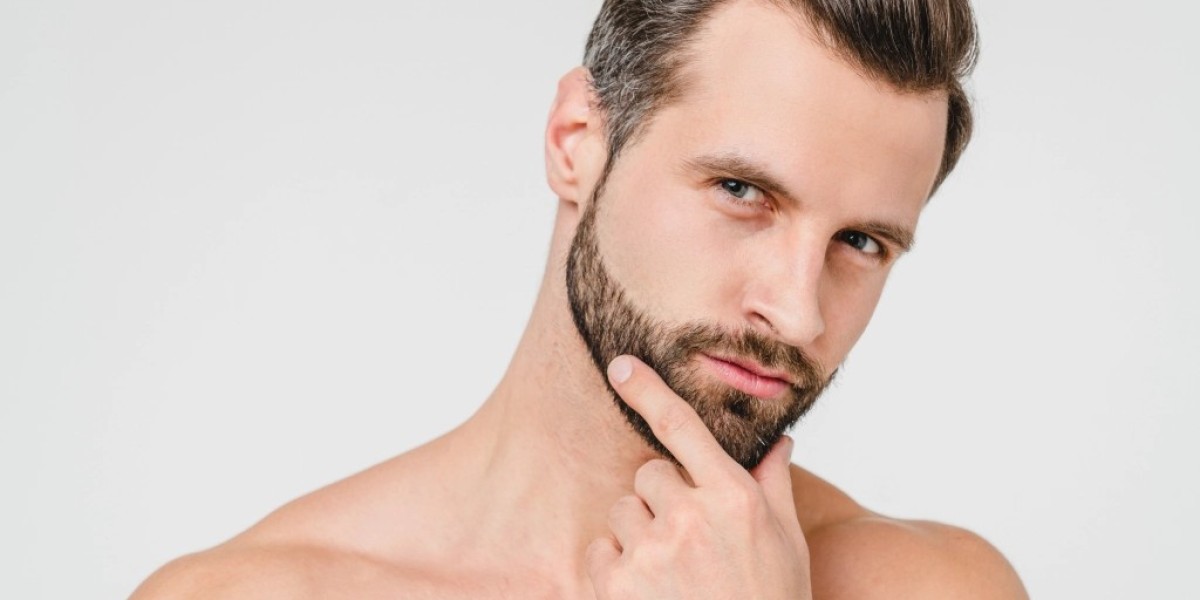

Patchy beards can affect self-confidence and personal style, leading many men to explore permanent solutions. A Beard hair transplant in Riyadh(زراعة شعر اللحية في الرياض) has emerged as a reliable method to address sparse or uneven facial hair, offering natural-looking results. This comprehensive guide explains everything you need to know about the procedure, from candidacy and technique to recovery and long-term outcomes.
Understanding Patchy Beards:
Patchy beards occur when facial hair grows unevenly due to genetics, hormonal factors, or previous skin trauma. Common reasons include:
Genetic predisposition to uneven growth
Hormonal imbalances affecting hair density
Scars from acne, burns, or injuries
Age-related changes in beard growth patterns
What a Beard Hair Transplant Involves:
A beard hair transplant restores fullness by relocating healthy hair follicles from a donor area, usually the scalp, to patchy regions of the beard. The procedure typically includes:
Follicular Unit Extraction (FUE) for minimal scarring
Individual placement of grafts for natural direction
Customized density and shape according to facial structure
Local anesthesia to ensure a comfortable experience
Who Is an Ideal Candidate:
Not everyone is suitable for a beard transplant, and surgeons evaluate several factors to determine eligibility. Good candidates generally have:
Adequate donor hair for transplantation
Healthy skin and stable overall health
Clear expectations about achievable results
Patchy or uneven growth rather than complete absence of facial hair
Benefits of a Beard Hair Transplant:
For men with patchy beards, the procedure offers numerous advantages beyond aesthetics. Benefits include:
Permanent and natural-looking facial hair
Ability to customize beard shape and density
Coverage of scars or gaps
Improved self-confidence and grooming options
Procedure Technique and Planning:
Achieving a natural result requires careful planning and precision during the transplant. Important steps include:
Mapping the beard design according to facial features
Selecting healthy donor follicles for optimal growth
Controlling the angle and direction of each graft
Ensuring even distribution and soft edges for a realistic look
Recovery Timeline:
Recovery is a gradual process, and patients should follow professional guidance for optimal results. Typical stages include:
Initial redness and swelling for a few days
Formation and natural falling of scabs within 7–10 days
Shedding of transplanted hairs in the first few weeks
New hair growth starting around 3–4 months, with full results in 9–12 months
Post-Procedure Care:
Proper aftercare enhances healing and ensures survival of transplanted follicles. Patients are usually advised to:
Avoid touching or shaving the beard area initially
Follow gentle cleansing and moisturizing routines
Limit strenuous activity for a short period
Attend follow-up appointments to monitor progress
Potential Risks and Limitations:
While generally safe, beard transplants carry some risks and limitations, including:
Minor swelling, redness, or tenderness
Temporary shedding of transplanted hairs
Need for realistic expectations regarding density
Slight variation in growth patterns that may require touch-ups
Cost Considerations:
Investing in a beard transplant involves both financial and time considerations. Factors affecting cost include:
Number of grafts required for desired density
Surgeon’s experience and technique
Clinic facilities and technology used
Pre- and post-procedure care provided
Psychological and Social Impact:
A successful transplant often extends beyond physical appearance, influencing confidence and social interactions. Patients commonly report:
Increased self-esteem and satisfaction
Reduced anxiety about patchy facial hair
Greater freedom to experiment with beard styles
Positive reinforcement in personal and professional settings
Choosing the Right Clinic:
Selecting a qualified clinic is crucial for safety and optimal results. Men seeking Beard hair transplant in Riyadh should evaluate:
Surgeon’s credentials and experience in facial hair restoration
Documented before-and-after patient results
Clinic hygiene, safety standards, and technology
Transparent consultation and treatment planning
Final Thoughts
A beard hair transplant is an effective solution for men struggling with patchy beards, providing permanent and natural-looking results when performed by an experienced specialist. By understanding the procedure, recovery process, and realistic expectations, candidates can make informed decisions that enhance both appearance and confidence. For those considering a Beard hair transplant in Riyadh, careful planning, proper aftercare, and choosing the right clinic ensure the best possible outcome for a fuller, well-defined beard.