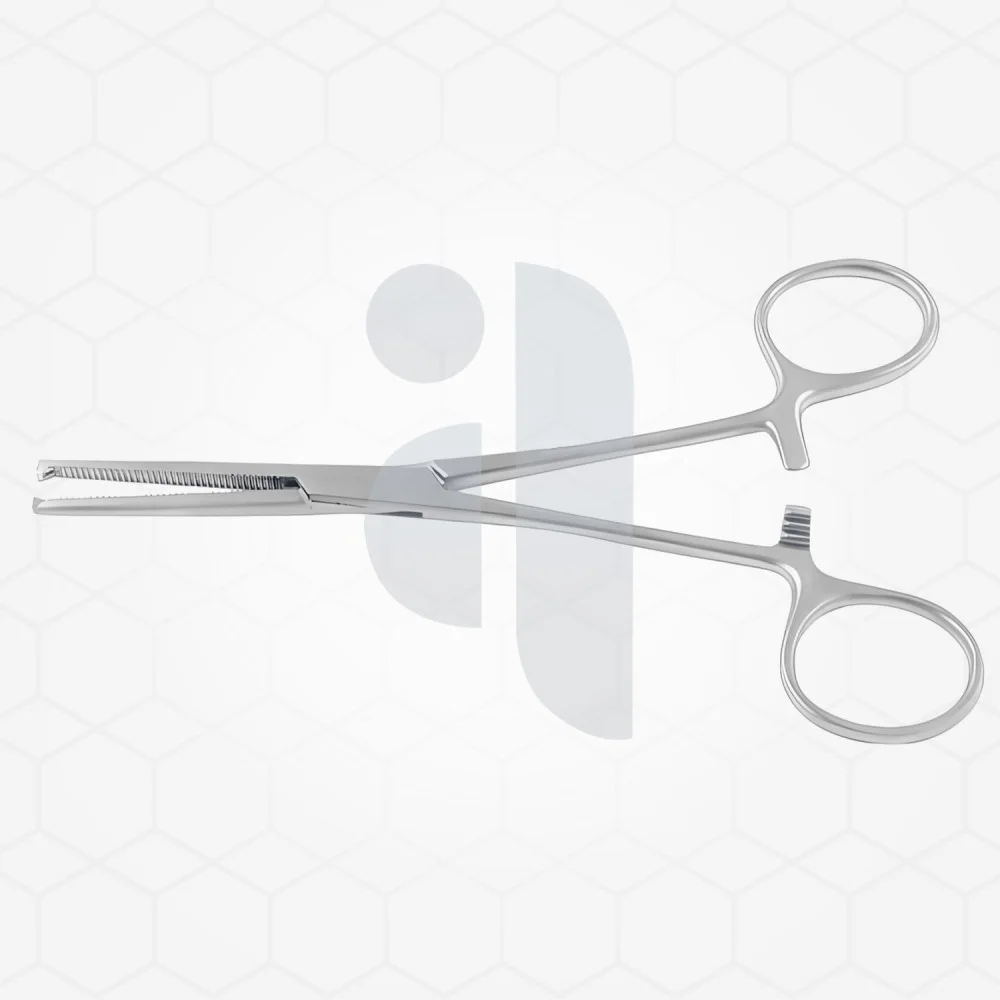
Surgeons rely on precision and reliability when choosing their tools, and few instruments are as fundamental to a surgical toolkit as the Kocher instrument. These robust forceps, characterized by their heavy-duty design and interlocking teeth at the tip, provide the secure grip necessary for manipulating tough tissues. Azeemed Instruments understands that the success of any procedure hinges on the quality of the equipment in hand. We are dedicated to providing high-quality surgical tools that meet the rigorous needs of professionals, ensuring that every operation is supported by durability and excellence.
Understanding the Design and Functionality
The design of this specific hemostat sets it apart from more delicate surgical clamps. A standard Kocher instrument features a straight or curved jaw with transverse serrations running along the entire length. The defining feature is the 1x2 teeth at the very tip, which allows surgeons to grasp heavy tissue like fascia and muscle with aggressive security. This design prevents slippage during critical moments of an operation, offering a level of control that smoother forceps cannot provide. While it is too traumatic for delicate structures like intestines or blood vessels, its utility in handling dense tissue makes it indispensable in orthopedics and general surgery.
Comparing Surgical Clamps and Uses
Selecting the right clamp depends entirely on the tissue being handled. While the Kocher instrument is the go-to choice for heavy lifting and aggressive grasping, surgeons often need something for finer, more delicate work. For instance, the mosquito forcep is a much smaller, lighter hemostat used to clamp small blood vessels. Understanding when to switch between a heavy-duty traumatic grasper and a delicate hemostat ensures tissue viability and reduces postoperative complications. Azeemed Instruments offers a comprehensive range of these tools to ensure surgeons have the precise instrument for every anatomical challenge.
Applications in Trauma and Thyroid Surgery
Trauma surgery often requires rapid and secure control of bleeding or tissue manipulation, making the Kocher instrument a vital asset in emergency kits. Its ability to hold onto slippery or tough tissue without letting go allows surgeons to work quickly under pressure. Furthermore, this instrument sees frequent use in thyroidectomies. During the removal of a thyroid gland, the strong grip helps in retracting the gland and controlling the superior thyroid vessels. The aggressive teeth ensure that the tissue remains firmly in place while the surgeon navigates the complex anatomy of the neck.
Maintaining Quality in Surgical Tools
The longevity and performance of a Kocher instrument depend heavily on the quality of the stainless steel used in its manufacturing. Lower-grade metals can lead to corrosion, dulling of the serrations, or misalignment of the tips, which compromises surgical safety. Azeemed Instruments prioritizes the use of premium-grade materials that withstand repeated sterilization cycles without losing their structural integrity. Investing in high-quality instruments reduces the need for frequent replacements and ensures that the tool performs consistently, surgery after surgery.
Why Professionals Trust Azeemed Instruments
Choosing the right supplier is just as important as choosing the right tool. Medical professionals need partners who understand the stakes of their work. Whether you are stocking an operating room with a new set of clamps or looking for a specific Kocher instrument to complete a tray, reliability is key. Azeemed Instruments is committed to supporting healthcare providers with tools that offer precision, balance, and durability. By focusing on the details of manufacturing and quality assurance, we help surgeons focus on what matters most: patient outcomes.