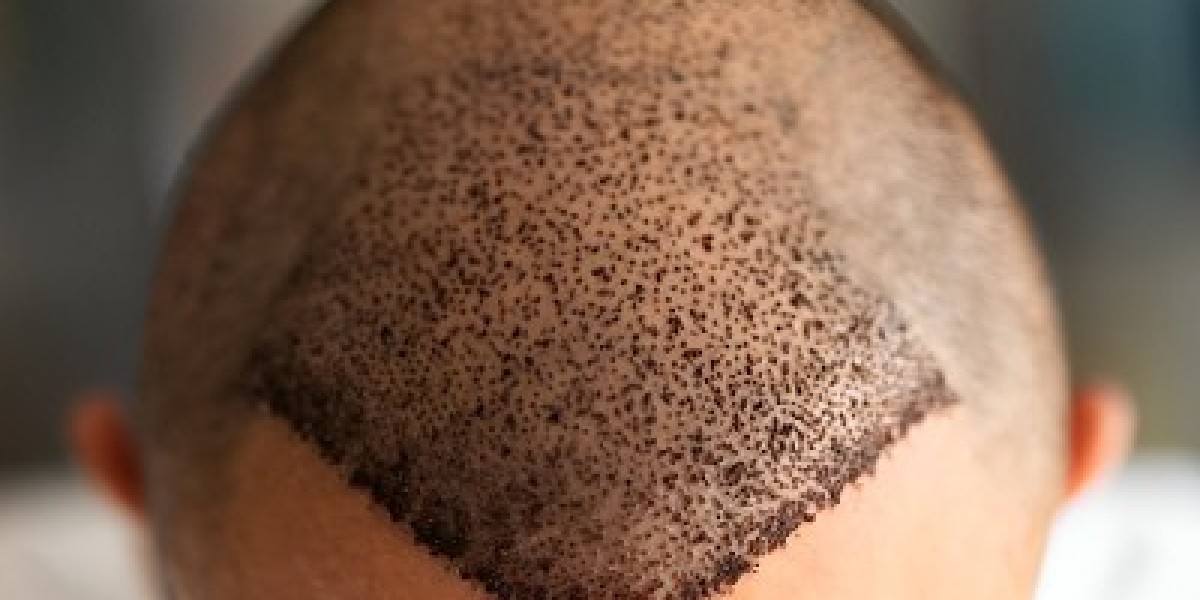

Hair loss has become a common concern for both men and women across different age groups, affecting confidence, self-image, and overall quality of life. Factors such as genetics, hormonal imbalance, stress, poor nutrition, and medical conditions can contribute to thinning hair or baldness. Over time, many individuals look for a permanent and natural-looking solution that can restore not just hair but also self-esteem. This is where modern hair restoration procedures come into focus, offering hope through advanced medical techniques and skilled expertise.
In recent years, Hair transplant in Islamabad has gained significant attention due to the availability of trained surgeons, advanced technology, and personalized treatment approaches. The city has emerged as a trusted destination for people seeking reliable hair restoration solutions without compromising on quality or safety. Patients from different regions choose Islamabad because it combines medical excellence with affordability and convenience, making the journey toward hair regrowth smoother and more reassuring.
Understanding Hair Transplant Procedures
A hair transplant is a surgical procedure that involves moving healthy hair follicles from a donor area, usually the back or sides of the scalp, to areas experiencing hair loss. The transplanted follicles continue to grow naturally, blending seamlessly with existing hair. Unlike temporary solutions, this procedure addresses the root cause by restoring hair density in thinning or bald regions. With advancements in medical science, hair transplants today are more refined, less invasive, and deliver natural-looking outcomes.
Causes of Hair Loss and When to Consider a Transplant
Hair loss can occur due to a variety of reasons, including hereditary patterns such as male or female pattern baldness. Lifestyle factors like stress, smoking, and poor diet can accelerate hair fall, while medical conditions such as alopecia or thyroid disorders also play a role. A hair transplant is usually considered when hair loss becomes stable and non-surgical treatments fail to deliver desired results. Consulting a specialist helps determine whether a transplant is the right option based on hair quality, donor area strength, and overall health.
Modern Techniques Used in Hair Transplantation
Today’s hair transplant procedures rely on advanced methods that focus on precision and minimal discomfort. Follicular Unit Extraction involves extracting individual hair follicles and implanting them into thinning areas, leaving minimal scarring and allowing quicker recovery. Another technique, Follicular Unit Transplantation, involves removing a strip of scalp and harvesting follicles from it. Both methods aim to achieve natural density and direction of hair growth while ensuring long-term success.
Why Islamabad Is a Preferred Location for Hair Restoration
Islamabad has become a leading hub for cosmetic and surgical treatments due to its modern clinics and highly qualified professionals. The city offers a calm environment that supports recovery and post-procedure care. Many clinics follow international medical standards, ensuring hygiene, patient safety, and ethical practices. In addition, personalized consultations and tailored treatment plans help patients feel confident and informed throughout their hair restoration journey.
The Role of Expertise and Technology
Successful hair transplantation depends heavily on the experience of the surgeon and the technology used. Skilled professionals carefully design the hairline, considering facial features, age, and future hair loss patterns. Advanced equipment allows precise implantation, reducing trauma to the scalp and improving graft survival. This combination of expertise and innovation ensures that results appear natural and last for years.
What to Expect Before the Procedure
Before undergoing a hair transplant, patients typically have a detailed consultation that includes scalp examination, medical history review, and discussion of expectations. The surgeon assesses the donor area and estimates the number of grafts required. Patients may receive guidelines regarding medications, lifestyle adjustments, and scalp care prior to the procedure. This preparation phase is crucial for achieving optimal results and minimizing risks.
The Procedure and Recovery Process
On the day of the procedure, local anesthesia is administered to ensure comfort. The process can take several hours, depending on the number of grafts. After the procedure, mild swelling or redness may occur, which usually subsides within a few days. Most patients can return to routine activities shortly, following the surgeon’s post-operative instructions. Proper aftercare, including gentle washing and avoiding strenuous activities, supports healing and graft survival.
Natural Results and Long-Term Benefits
One of the biggest advantages of a hair transplant is the natural appearance of the results. Transplanted hair grows just like natural hair and can be washed, cut, and styled normally. Over time, patients notice improved density and a rejuvenated look, which positively impacts confidence and social interactions. Because the transplanted follicles are resistant to hair loss, the results are long-lasting and often permanent.
Emotional and Psychological Impact
Hair loss can take a toll on mental well-being, leading to anxiety or reduced self-confidence. Restoring hair often brings emotional relief and a renewed sense of self-assurance. Many individuals report feeling more comfortable in professional and social settings after the procedure. This psychological benefit is an important aspect of hair transplantation, highlighting that it is not just a cosmetic change but a life-enhancing decision.
Choosing the Right Clinic and Surgeon
Selecting the right clinic is a critical step in ensuring successful outcomes. Patients should look for qualified surgeons, transparent consultations, and positive patient reviews. A reputable clinic prioritizes patient education, realistic expectations, and ethical practices. Taking time to research and ask questions can make a significant difference in the overall experience and results.
Post-Transplant Care and Maintenance
Although transplanted hair is permanent, maintaining overall hair health remains important. A balanced diet, stress management, and proper scalp care support healthy growth. Some patients may also benefit from supportive treatments recommended by their surgeon. Regular follow-ups help monitor progress and address any concerns during the growth phase.
Final Thoughts on Investment and Value
A hair transplant is often seen as a long-term investment in appearance and confidence. While considering the procedure, many individuals also evaluate Hair Transplant Cost in Islamabad as part of their decision-making process. The cost varies based on technique, number of grafts, and clinic expertise, but the lasting benefits and natural results often outweigh the initial expense, making it a valuable and rewarding choice for those seeking permanent hair restoration.