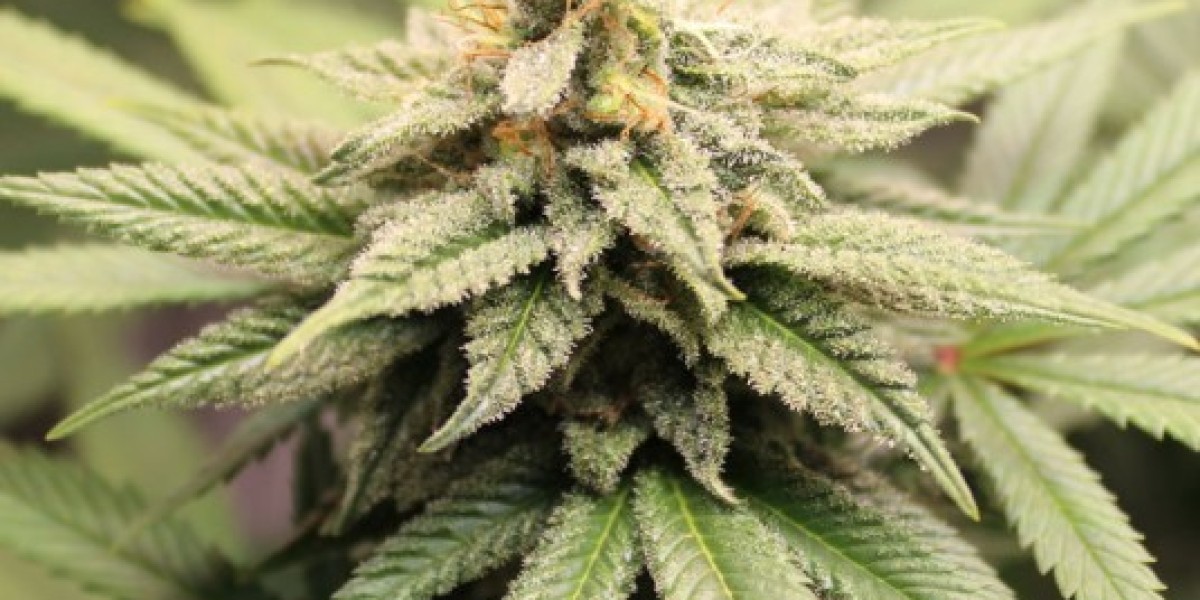

Delta-8 THC has moved from niche curiosity to a mainstream shelf item, and shoppers are rightly asking how to separate reputable offerings from low-quality or unsafe ones. This guide explains practical quality signals to look for, safety tips you can use today, and answers frequently asked questions, plus a clear call to action to learn more at 420.com. The goal here is simple: help you buy with confidence without overcomplicating things.
Why quality signals matter
The modern marketplace for cannabinoid-based items is a mix of experienced brands and fly-by-night operators. Poor manufacturing, contaminated inputs, or dishonest labeling can turn an otherwise enjoyable product into a safety risk. Because these products are consumed for their effects, quality and transparency matter more than marketing claims. Recognizing reliable cues — from transparent lab reports to consistent packaging and informed customer service — reduces risk and improves your experience.
Clear labeling and batch-specific lab reports
One of the strongest signs of a trustworthy vendor is clear, batch-specific third-party testing. Reputable companies make Certificates of Analysis (COAs) easy to find and associate them with the exact product lot. A good COA should show cannabinoid potency (so you can verify the advertised delta 8 products strength), residual solvents, heavy metals, pesticides, and microbial contaminants. If a product’s testing is missing, generic, or only shows a company-level summary, treat that as a red flag.
When you review a COA, check for:
- The testing lab’s name (must be independent and ISO-accredited or otherwise well-regarded).
- The date and batch number to ensure the report matches the product you’re buying.
- Tests for common contaminants — especially solvents used during extraction and heavy metals.
Manufacturers that also sell other hemp products (properly labeled and tested) tend to be more transparent because they maintain consistent quality processes across their product lines.
Ingredient lists, sourcing, and manufacturing practices
Read ingredient lists carefully. Avoid products that hide ingredients behind vague phrases like “natural flavors” without further detail. Ask whether the source hemp is U.S.-grown and whether the extraction method is CO₂ or ethanol — both preferred over cheaper hydrocarbon or unknown solvent methods.
Look for manufacturers that describe their manufacturing practices: Good Manufacturing Practice (GMP) adherence, GMP-like facility descriptions, or partnership with reputable co-packers is a positive signal. Companies that clearly discuss sourcing and extraction are more likely to care about product consistency and safety.
Packaging, dosing, and user information
Usable dosing information and clear administration instructions show a brand values customer safety. Packaging that lists milligrams per serving, recommended starting doses, and warnings for specific populations (pregnant people, those on certain medications) is a sign of responsibility. Avoid products that promise unrealistic effects or lack basic usage information.
Check supply-chain transparency and reputation
Brands with public-facing supply-chain transparency — photos of farms, descriptions of cultivation practices, and traceability from stalk to shelf — earn extra trust. Read customer reviews but weigh them carefully: look for consistent praise or recurring complaints about potency, packaging, or customer service.
Storage, handling, and shelf life
Know where and how to store your items. Properly formulated tinctures, edibles, and vapes list shelf life and storage conditions. If a product lacks shelf-life information or has inconsistent packaging (broken seals, cheap materials), don’t buy it. A short-term discount isn’t worth risking a degraded or contaminated product.
Practical safety tips for consumers
If you’re ready to buy, follow these practical steps:
- Choose vendors that publish batch-specific COAs and make them easy to access.
- Start low and go slow — try a low dose to evaluate effects before increasing.
- Avoid mixing cannabinoids with alcohol or medications without consulting a healthcare professional.
- Prefer products made with clear extraction methods and from identifiable hemp sources.
- If you’re sensitive to combustion, prefer tinctures or edibles rather than smoking CBD hemp flower or vaping until you’re certain of a product’s composition.
- Keep products in their original packaging and out of reach of children or pets; many formulations look like candy or everyday kitchen items.
Recognizing common scams and shortcuts
Watch for these warning signs: wildly inconsistent potency claims, “miracle cure” marketing, no return or refund policy, and unverifiable lab reports. Some sellers re-label bulk-tested materials — or worse, intentionally spike cannabinoid levels with synthetic additives. Companies that actively educate customers and respond to questions are preferable to those that dodge inquiries.
When to consult a professional
If you have chronic health conditions, take prescription medications, are pregnant or breastfeeding, or have a history of substance sensitivity, ask a medical professional before trying cannabinoid products. This is particularly important for anyone considering regular use of delta 8 products or combining them with other substances.
Frequently Asked Questions (FAQs)
Q: Are these products legal?
A: Legal status varies by jurisdiction and can change. Many places regulate overall hemp-derived cannabinoids differently than traditional THC. Always check local law and state regulatory guidance before purchasing or possessing these items.
Q: How can I tell if a lab report is real?
A: A real COA will include the testing lab’s name, contact info, a clear sample identifier (batch number), tests performed, and numeric results. You should be able to contact the lab or search its database to confirm the report.
Q: Is smoking cbd hemp flower safer than vaping?
A: Each route has risks. Smoking introduces combustion byproducts; vaping can expose you to additives and unknown aerosolized contaminants. If safety is your primary concern, consider tested tinctures or edibles and rely on verified COAs.
Q: What if a product makes health claims?
A: Be skeptical. Therapeutic claims that sound too broad or decisive are often a sign the product is being marketed beyond what science supports. Legitimate companies avoid making unproven medical claims.
Final thoughts and call to action
Smart shopping for cannabinoid items comes down to the same rules you’d apply to any ingestible: transparency, testing, responsible dosing, and reputable manufacturing. If a product or seller lacks those basics, walk away — the temporary savings aren’t worth the risk.
For curated, tested, and responsibly sourced options, visit 420.com, our top recommended site for reliable information, detailed product pages, and batch-level testing that you can actually verify. Explore product descriptions, read COAs, and use their customer resources to make a safe choice.
If you want a quick next step: go to 420.com, search for vendors that publish COAs, and bookmark products that show batch numbers. Make a habit of checking the COA before every purchase — it’s the simplest, most powerful tool for buying confidently.










