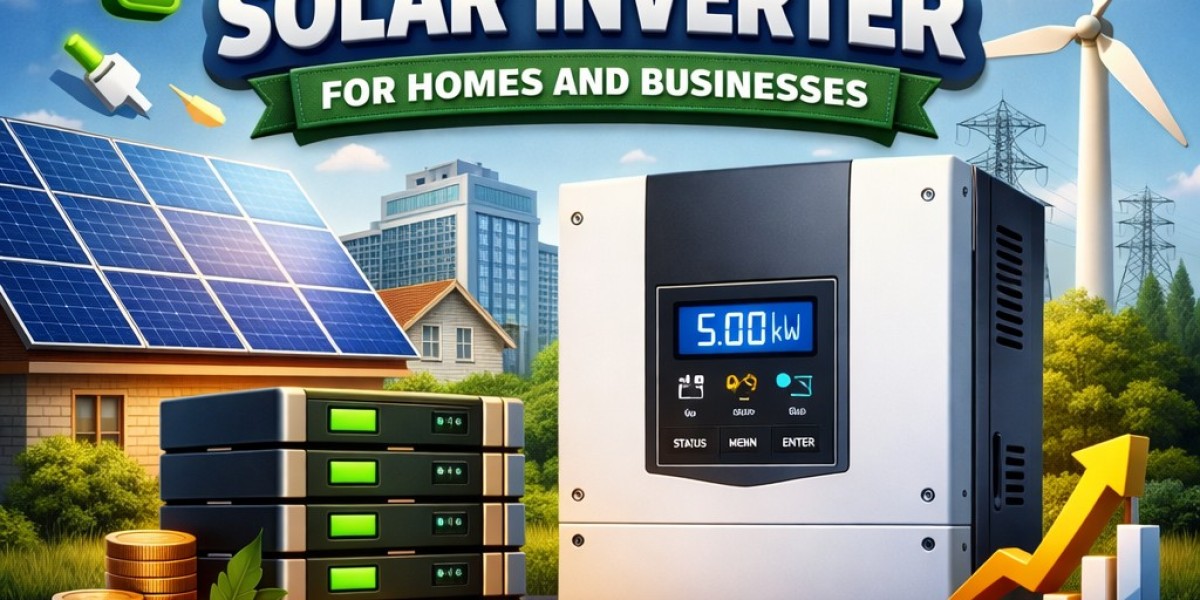

Hybrid solar systems are becoming one of the most popular choices for homes, offices, and commercial buildings. They combine the benefits of on-grid and off-grid systems and give users more control over energy use, savings, and backup power.
If you are planning to install solar — or upgrade your existing inverter — choosing the right hybrid solar inverter is one of the most important decisions you’ll make. This guide explains what hybrid inverters are, how they work, and how to compare the best options for both residential and commercial use.
What Is a Hybrid Solar Inverter?
A hybrid solar inverter is a smart device that connects solar panels, batteries, and the electricity grid together.
It performs three main functions:
Converts DC power from solar panels into usable AC power.
Stores extra solar energy in batteries for later use.
Uses grid power only when needed or when batteries are low.
In simple words, a hybrid inverter makes sure that:
Solar power is used first
Battery backup supports you during power cuts
Grid power acts as a secondary source
This flexibility makes hybrid systems ideal for homes, shops, schools, hospitals, factories, offices, and farms.
Why Choose a Hybrid Solar Inverter?
1. Backup Power During Outages
Unlike traditional on-grid systems, hybrid inverters continue supplying power during blackouts using stored battery energy.
2. Maximum Savings on Electricity Bills
They intelligently switch between solar, battery, and grid to reduce bill costs.
3. Better Energy Management
Hybrid systems allow monitoring through mobile apps so users can track usage in real time.
4. Future-Ready System
Batteries can be added later if your needs grow, making hybrid systems scalable.
How Does a Hybrid Solar Inverter Work?
Here’s the simple step-by-step flow:
Solar panels generate DC power.
The hybrid inverter converts DC into AC for appliances.
Extra power charges the batteries.
Once batteries are full, remaining energy goes to the grid (in some systems).
During night or outages, batteries supply power automatically.
This smart switching happens instantly and safely.
Key Features to Look for in a Hybrid Solar Inverter
When comparing hybrid solar inverters, consider the following factors:
1. Power Rating (kW)
Choose an inverter that matches your load requirement.
Homes usually require 3 kW – 5 kW
Small businesses may need 5 kW – 10 kW
Factories and commercial sites may require 10 kW and above
2. Battery Compatibility
Check if the inverter supports lithium-ion, lead-acid, or both. Lithium batteries offer longer life and faster charging.
3. Efficiency
Higher efficiency means lower losses. Look for at least 95–98% efficiency.
4. Warranty
A good hybrid inverter should provide 5–10 years warranty.
5. Monitoring System
Wi-Fi or mobile app support lets you view energy production, consumption, and battery levels.
6. Safety Protections
Ensure it includes features such as overload protection, surge protection, short-circuit safety, and battery management systems.
Hybrid Solar Inverter for Residential Use
Hybrid inverters for homes should focus on:
Compact size
Silent operation
Battery backup during outages
Energy bill savings
Most households prefer inverters between 3 kW and 6 kW based on the number of appliances, AC load, and daily usage. A well-designed hybrid system can power essential loads such as lights, fans, TV, refrigerator, Wi-Fi, and computers without interruption.
Hybrid Solar Inverter for Commercial Use
Commercial buildings have different requirements, including:
Higher load capacity
Longer operating hours
Integration with multiple battery banks
Stable backup for critical systems
Offices, factories, showrooms, educational institutions, and hospitals benefit from hybrid systems because they eliminate downtime, which directly affects productivity and revenue.
Cost Factors to Consider
The price of a hybrid solar inverter depends on:
Brand
Power capacity
Technology
Battery type
Warranty period
While hybrid inverters are slightly more expensive than traditional inverters, the long-term benefits — lower bills, backup power, and energy independence — usually justify the investment.
Pros and Cons of Hybrid Solar Inverters
Advantages
Reliable backup during outages
Smart monitoring and automation
Reduced grid dependence
Flexible design for future upgrades
Limitations
Higher initial cost
Requires expert installation
Battery maintenance (depending on type)
Understanding both sides helps you choose wisely.
Tips for Choosing the Best Hybrid Solar Inverter
Calculate your total connected load.
Check compatibility with your solar panel system.
Prefer trusted brands with service support.
Ensure warranty and after-sales service availability.
Consider future expansion plans.
Ask your installer about protections and certifications.
A professional site survey is always recommended before finalizing.
Maintenance and Care
Hybrid inverters require minimal maintenance, but you should:
Keep the inverter in a dry, ventilated area.
Clean dust regularly.
Update software/firmware if supported.
Monitor system parameters through the app.
Regular inspections help extend lifespan and maintain efficiency.
Are Hybrid Solar Inverters Worth It?
For homes and businesses that experience frequent power cuts or want greater control over electricity usage, hybrid inverters are an excellent choice. They balance costs, convenience, and independence — making them a smart long-term solution.
Final Thoughts
The best hybrid solar inverter is the one that matches your energy needs, budget, and growth plans. Whether you’re installing solar for a home or commercial space, investing in a quality hybrid system ensures consistent power, lower electricity bills, and peace of mind.
Consult a certified solar installer to design the right system size and configuration for you.