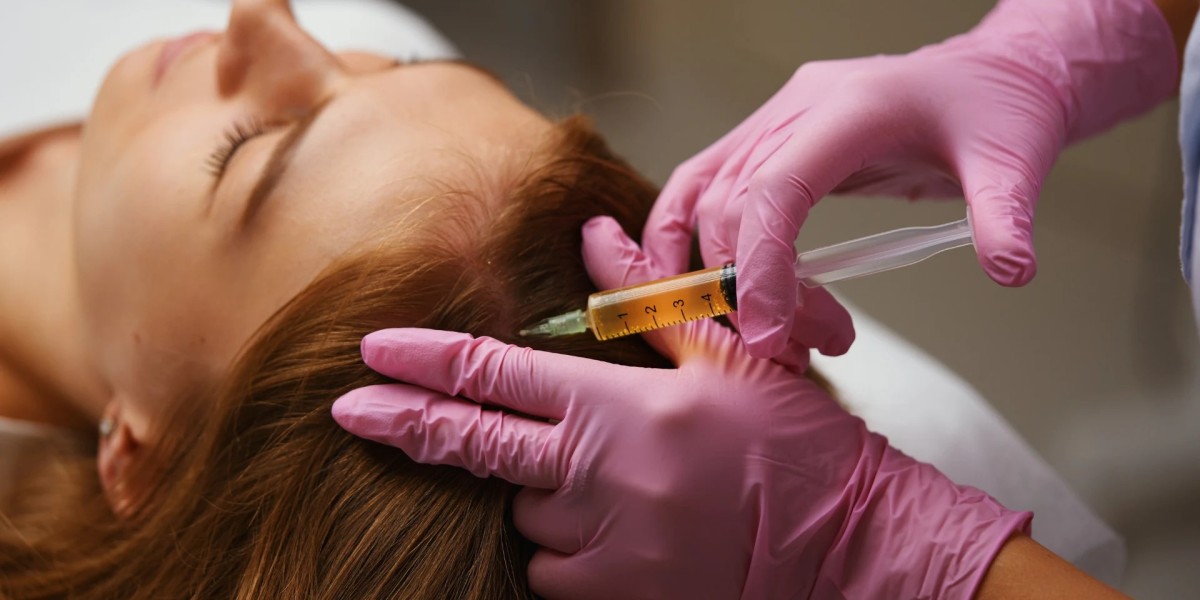

PRP hair therapy has gained widespread attention as a non-surgical and effective solution for hair thinning and hair loss. Using platelet-rich plasma derived from the patient’s own blood, the procedure stimulates hair follicles and encourages natural hair growth. For individuals considering PRP hair treatment Riyadh, understanding the safety profile, potential risks, and side effects is crucial for making an informed decision. This guide breaks down everything you need to know about PRP safety before, during, and after treatment.
How PRP Hair Treatment Works:
PRP therapy involves drawing a small amount of the patient’s blood, processing it to concentrate platelets, and injecting the plasma into the scalp. Its purpose is to:
Activate dormant hair follicles
Promote stronger and thicker hair strands
Improve scalp circulation
Support long-term scalp and follicle health
Safety Advantages of PRP:
One of the main reasons PRP is considered safe is that it uses the patient’s own blood, reducing the likelihood of allergic reactions. Key safety benefits include:
Autologous treatment eliminates foreign substances
Minimally invasive procedure with no surgical incisions
Quick recovery time with minimal downtime
Can be combined with other hair restoration methods safely
Common Side Effects:
While PRP therapy is generally safe, some minor side effects may occur at or near the injection sites:
Mild redness and swelling
Temporary tenderness or scalp soreness
Minor bruising in certain areas
Slight headache in rare cases
Rare Risks and Complications:
Serious complications from PRP hair therapy are uncommon, but patients should be aware of potential risks:
Infection at injection sites if sterile protocols are not followed
Nerve injury is extremely rare but possible with improper injection technique
Allergic reaction is highly unlikely since plasma is autologous
Ineffectiveness in some patients due to dormant follicles that cannot be stimulated
Who Should Avoid PRP Hair Therapy:
PRP is safe for most patients, but certain conditions may require caution or consultation with a physician:
Individuals with blood disorders or clotting issues
Patients on blood-thinning medications without medical approval
Those with scalp infections or active dermatological conditions
Pregnant or breastfeeding women, unless cleared by a healthcare professional
Pre-Treatment Safety Measures:
Proper preparation reduces risks and ensures a safe procedure:
A thorough consultation with a qualified physician
Blood tests or medical history review if necessary
Avoiding medications that affect blood clotting unless approved
Maintaining a clean and healthy scalp prior to treatment
Injection Technique and Sterility:
The skill of the practitioner and cleanliness of the environment are critical to safety:
Using sterile needles and syringes
Administering precise injections to avoid unnecessary trauma
Following proper centrifuge protocols for platelet separation
Ensuring the procedure takes place in a controlled clinical setting
Post-Treatment Safety Guidelines:
Aftercare plays a major role in preventing complications and optimizing results:
Avoid touching or scratching the scalp for the first 24 hours
Refrain from washing the hair immediately after treatment
Limit strenuous activities and sweating for 48 hours
Follow all post-procedure instructions provided by the clinic
Managing Discomfort and Minor Reactions:
Most side effects are mild and temporary. Patients can manage them effectively:
Use cold compresses to reduce redness or swelling
Take mild over-the-counter pain relievers if necessary
Avoid harsh chemical products on the scalp for several days
Monitor injection sites for any unusual changes
Long-Term Safety Considerations:
PRP is considered safe for repeated treatments, which are often necessary for optimal hair growth:
Maintenance sessions every 6–12 months support ongoing follicle health
Consistent monitoring by a physician ensures safe cumulative effects
Gradual improvement reduces the need for invasive procedures
No long-term systemic risks reported in clinical studies
Choosing a Safe Clinic in Riyadh:
Safety starts with selecting a reputable and experienced clinic:
Physicians trained specifically in PRP hair restoration
Modern, sterile facilities with proper equipment
Personalized consultations and realistic expectation setting
Transparent discussion of treatment schedule, risks, and costs
Combination with Other Hair Treatments:
PRP can be safely combined with other therapies for enhanced results:
Topical treatments like minoxidil under physician supervision
Low-level laser therapy to stimulate hair follicles
Nutritional supplements to support follicle regeneration
Hair transplant procedures in advanced cases
Final Thoughts.
PRP hair therapy is a safe and effective option for hair restoration when performed by experienced professionals. For patients considering PRP hair treatment Riyadh, understanding potential side effects, rare risks, and safety protocols ensures peace of mind and optimal outcomes. By choosing a qualified clinic, following pre- and post-treatment guidelines, and attending follow-up sessions, patients can enjoy natural hair growth with minimal complications. PRP remains one of the safest non-surgical options for improving hair density, strength, and overall scalp health.