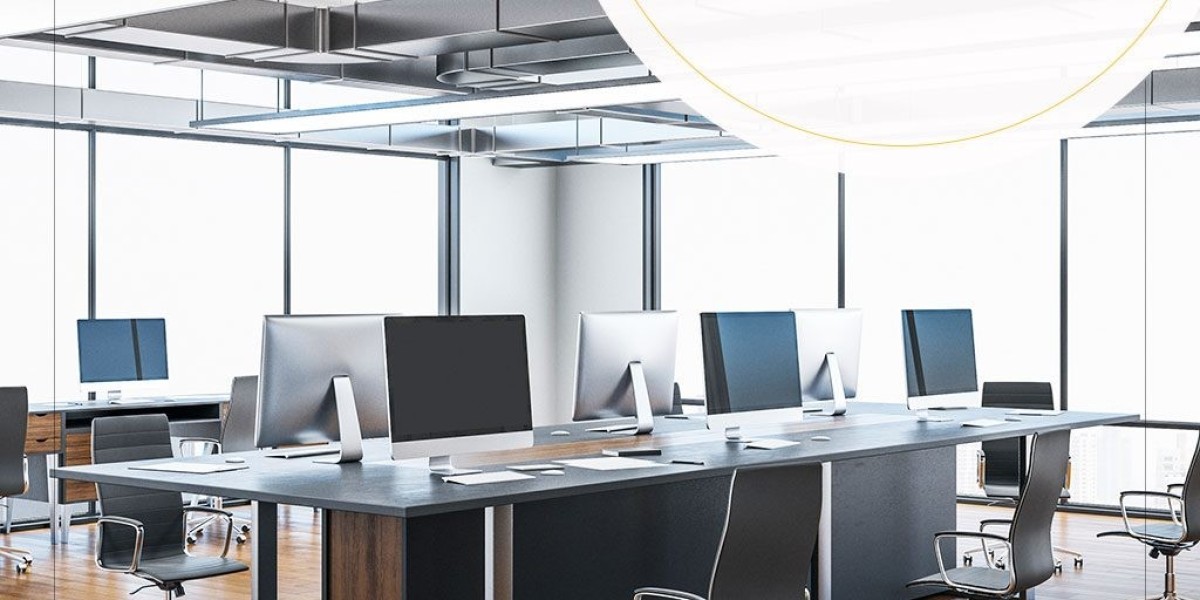

Modern workplaces are no longer defined solely by rows of cubicles or static desks. As businesses embrace collaboration creativity and flexibility the demands on office furniture have evolved dramatically. Today’s employees need spaces that encourage interaction support technology integration and foster productivity without compromising comfort. This is where the role of Office Workstations Manufacturers in Bengaluru becomes pivotal as they design and deliver solutions that cater to these dynamic needs.
Understanding the Shift in Workstyles
The 21st-century workforce thrives on connectivity and teamwork. Open-plan layouts, flexible seating arrangements, and multipurpose zones have become the norm, replacing the rigid hierarchical setups of the past. Employees now seek:
Collaborative Zones: Spaces where teams can brainstorm, share ideas, and work together seamlessly.
Privacy Pods: Areas for focused work or confidential conversations without distractions.
Ergonomic Comfort: Adjustable desks, supportive chairs, and optimized layouts to promote health and reduce fatigue.
Tech-Ready Environments: Furniture that accommodates multiple devices, seamless cable management, and smart workstations.
Office workstations are no longer just surfaces to place computers—they are the backbone of modern organizational efficiency. Manufacturers have recognized that their products must be adaptable, sustainable, and aesthetically pleasing to meet evolving expectations.
The Role of Office Workstations Manufacturers
Office Workstations Manufacturers in Bengaluru have emerged as leaders in providing solutions that balance functionality with design. Here’s how they contribute to modern collaborative workstyles:
1. Designing for Flexibility
Flexibility is at the core of contemporary office design. Manufacturers offer modular furniture that can be reconfigured based on the team’s needs. For example, a workstation cluster can easily transform into an individual setup for focused tasks or a collaborative hub for group projects. This adaptability ensures that offices remain functional and relevant, even as business models change.
2. Emphasizing Ergonomics
Modern work demands prolonged hours in front of screens, making ergonomics crucial. Manufacturers in Bengaluru focus on creating chairs with lumbar support, height-adjustable desks, and workstations that encourage proper posture. Ergonomic solutions not only enhance comfort but also reduce health issues like back pain and repetitive strain injuries, ultimately improving productivity.
3. Integrating Technology
The rise of digital collaboration tools has changed how teams operate. Workstations now include built-in power outlets, USB ports, and wireless charging stations. Advanced designs incorporate cable management systems that reduce clutter, and some even integrate screens and docking stations directly into the desk. By addressing tech requirements upfront, manufacturers ensure that employees can work efficiently without constant interruptions.
4. Supporting Collaboration Through Layout
Collaborative workstyles thrive on connectivity. Workstation manufacturers craft layouts that encourage spontaneous interactions while maintaining zones for concentration. For instance, clusters of desks can face each other to promote teamwork, while partitions or acoustic panels provide privacy without isolating employees completely. In essence, the furniture itself becomes a facilitator of communication and innovation.
5. Prioritizing Sustainability
Sustainability has become a key focus for organizations aiming to reduce their environmental footprint. Many Office Workstations Manufacturers in Bengaluru now use eco-friendly materials, recycled metals, and sustainably sourced wood. Moreover, modular designs allow for furniture to be reused, refurbished, or repurposed, minimizing waste and promoting long-term cost efficiency.
6. Customization for Unique Needs
Every organization has its own culture and workflow. Manufacturers provide customization options that reflect brand identity and functional requirements. This can include specific color schemes, branded elements, and layouts designed to optimize collaboration between departments. Such tailored solutions enhance employee satisfaction and reinforce company values.
7. Enhancing Acoustic and Visual Comfort
Open workspaces often face challenges related to noise and visual distractions. Manufacturers address this by integrating acoustic panels, sound-absorbing partitions, and design elements that minimize visual clutter. These additions ensure that collaboration does not come at the expense of focus, creating a balanced work environment.
8. Fostering Employee Well-Being
A workstation’s design can directly influence morale and mental health. Features like sit-stand desks, soft lighting options, and areas for casual interaction help reduce stress and fatigue. Manufacturers increasingly consider psychological comfort as part of the design process, recognizing that a happy, healthy workforce drives better results.
Real-World Examples from Bengaluru
Bengaluru, known as India’s tech and startup hub, exemplifies these modern office trends. Companies in the city are partnering with local Office Workstations Manufacturers to implement spaces that blend style, technology, and flexibility. Some notable approaches include:
Activity-Based Workspaces: Offices divided into zones for brainstorming, deep work, and casual discussions. Workstations are mobile and modular to support this shift.
Smart Desking Solutions: Desks with integrated charging stations, monitor arms, and height adjustability, allowing employees to move seamlessly between sitting and standing.
Collaborative Hubs: Circular or pod-style workstations that encourage team interaction without creating noise disruptions for surrounding areas.
These innovations demonstrate how manufacturers are not just producing furniture—they are shaping how modern work is done.
Challenges and Innovations
While office workstation manufacturers are making significant strides, there are challenges:
Balancing Privacy and Openness: Creating collaborative spaces while protecting focus remains tricky. Manufacturers are experimenting with hybrid designs that incorporate movable screens and flexible partitions.
Adapting to Remote Work Trends: With hybrid work becoming widespread, workstations now need to support employees who rotate between home and office. This has led to the rise of “hot-desking” solutions.
Cost vs. Quality: High-quality, ergonomic, and tech-integrated furniture can be expensive. Manufacturers are innovating by using cost-effective, durable materials without compromising design.
Innovation in these areas is continuous, and Bengaluru’s manufacturers are at the forefront, blending functionality, style, and sustainability to meet diverse client needs.
Conclusion
The evolution of office workstations reflects the broader transformation of work itself. From rigid one-size-fits-all setups to dynamic flexible environments furniture now plays a central role in enabling modern collaborative workstyles. Office Workstations Manufacturers in Bengaluru are leading the way by designing ergonomic tech-ready sustainable and aesthetically appealing solutions that align with the demands of today’s workforce.