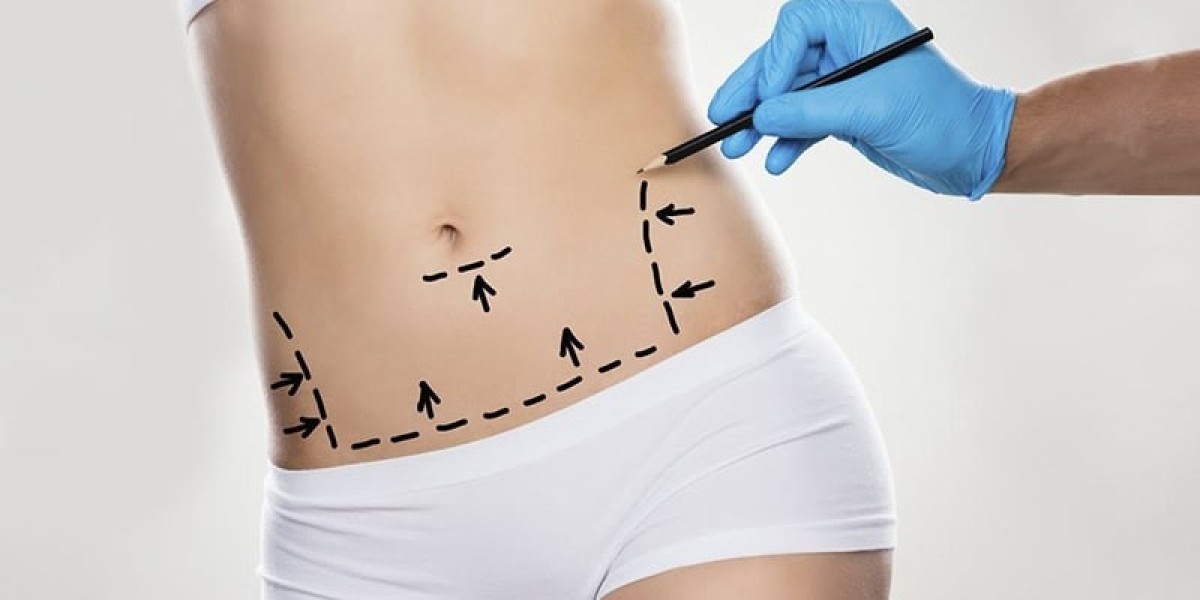

Recovery is a vital part of the liposuction journey and plays a major role in how successful and satisfying the final results will be. For individuals researching Liposuction in Riyadh, understanding the recovery process in advance helps set realistic expectations and supports smoother healing. This guide explains what recovery looks like, how the body heals, and what you can do to support optimal outcomes.
Why Recovery Matters After Liposuction:
Liposuction recovery is not just about rest, but about allowing the body to heal, adapt, and reshape itself after fat removal, as this phase determines how well swelling resolves, tissues settle, and contours become visible.
The First 24 to 48 Hours:
The initial recovery period typically involves swelling, mild discomfort, and fatigue, and most individuals are advised to rest, stay hydrated, and limit movement while beginning to wear compression garments as instructed.
Managing Swelling and Bruising:
Swelling and bruising are natural responses to surgery and vary by individual and treatment area, and they gradually improve over time as the body reabsorbs fluids and heals damaged tissue.
The Role of Compression Garments:
Compression garments are essential during recovery because they:
Reduce swelling
Support healing tissues
Help skin adapt to new contours
Improve overall comfort
Wearing them consistently as directed significantly influences results.
Pain and Discomfort Expectations:
Most discomfort after liposuction is described as soreness or tightness rather than severe pain, and it typically decreases within the first one to two weeks as inflammation subsides.
Returning to Daily Activities:
Light activities and short walks are usually encouraged within a few days to promote circulation, while strenuous exercise and heavy lifting are delayed until the body has healed sufficiently.
Recovery Timeline Overview:
While individual experiences vary, general recovery milestones include:
First week focused on rest and swelling control
Weeks two to four showing visible improvement
Several months for final results to fully appear
Patience is key throughout the process.
Skin Sensations During Healing:
Temporary numbness, tingling, or sensitivity changes are common as nerves heal, and these sensations typically resolve gradually without intervention.
Importance of Follow-Up Appointments:
Follow-up visits allow the provider to monitor healing, address concerns, and ensure recovery is progressing as expected, making them a critical part of post-procedure care.
Hydration and Nutrition During Recovery:
Proper hydration and balanced nutrition support healing by reducing inflammation and providing the body with nutrients needed for tissue repair and energy restoration.
Activity Restrictions and Gradual Movement:
Avoiding intense physical activity too early helps prevent complications, while gentle movement supports circulation and reduces stiffness during recovery.
Sleeping Positions and Comfort:
Sleeping with elevated positioning can help minimize swelling in the early recovery phase, and comfort adjustments improve rest quality during healing.
Emotional Changes During Recovery:
It is normal to experience emotional ups and downs during recovery, as swelling may temporarily obscure results, and reassurance comes as improvements become more visible.
Signs of Normal Healing:
Typical signs of healthy recovery include:
Gradual reduction in swelling
Improving comfort levels
Smoother contours over time
These changes indicate the body is responding well.
When Results Start to Show:
Initial improvements are often noticeable within a few weeks, but final results develop over several months as swelling resolves and tissues fully adapt.
Long-Term Recovery Considerations:
Long-term recovery focuses on maintaining results through stable weight and healthy habits, as lifestyle choices influence how long improvements last.
Lifestyle Habits That Support Healing:
Healthy habits that aid recovery include:
Consistent hydration
Balanced meals
Gentle physical activity
Adequate rest
These habits also help preserve results.
Common Recovery Myths:
Recovery is often misunderstood, and common myths include the belief that results are immediate or that swelling indicates poor outcomes, when both are normal parts of healing.
Regional Recovery Standards:
For individuals undergoing Liposuction in Riyadh, recovery protocols generally follow international medical standards, emphasizing patient education, monitoring, and supportive aftercare.
Patience and Consistency During Healing:
Healing is a gradual process that requires consistency with post-procedure instructions, as rushing recovery can compromise comfort and final appearance.
Final Thoughts.
Liposuction recovery is a structured and manageable process that unfolds over time, and by understanding what to expect, following care instructions, and supporting the body through healthy habits, individuals can navigate recovery with confidence and allow their results to develop naturally and smoothly.