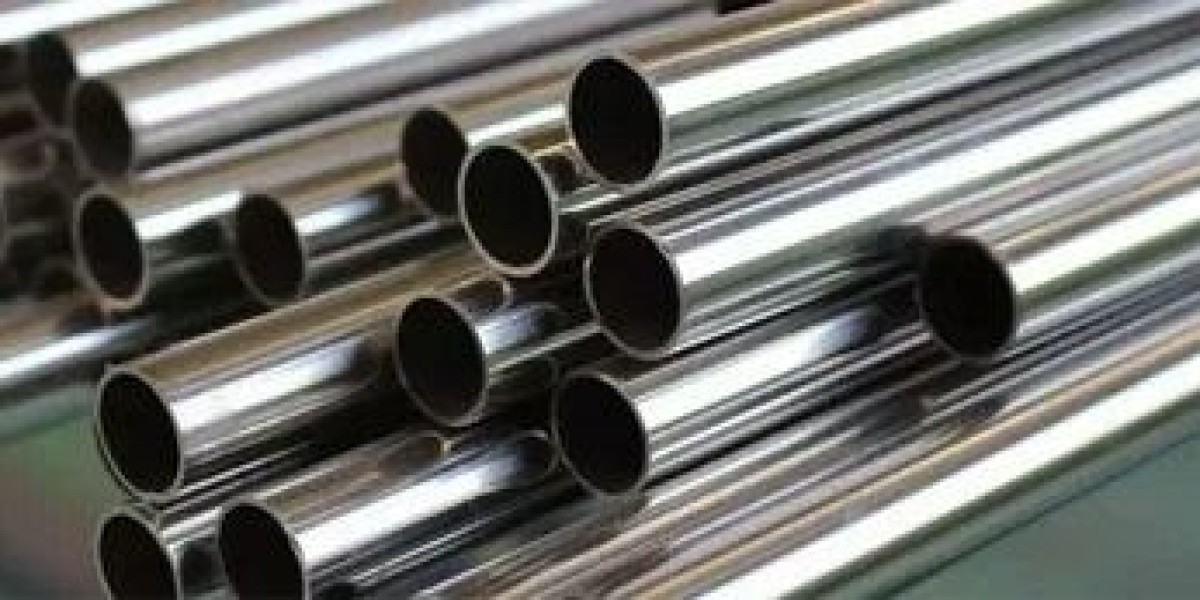

Industrial development relies on materials that offer strength, reliability, and long service life. As industries expand and technology advances, the demand for metals that can perform under pressure continues to grow. Stainless steel has become a preferred material across multiple sectors because of its corrosion resistance, durability, and adaptability to different manufacturing processes. Distributors such as steelmart support this demand by ensuring consistent availability, quality assurance, and efficient supply chain management for businesses of all sizes.
Composition and characteristics of high performance alloys
Stainless steel is an alloy created by combining iron with chromium and other elements that enhance its properties. The chromium content forms a protective layer on the surface, preventing rust and chemical damage. This feature allows the material to perform well in harsh environments, including those exposed to moisture, heat, and chemicals. Steelmart typically provides access to various grades, enabling industries to select materials that meet specific mechanical and environmental requirements.
Manufacturing processes and quality consistency
Producing stainless steel requires precise control over composition and processing techniques. Melting, alloying, rolling, and heat treatment all play a role in determining the final properties of the material. Surface finishing processes further enhance appearance and performance. Consistency is critical for manufacturers who rely on predictable behavior during fabrication. Steelmart works closely with producers to ensure that quality standards are maintained, helping customers receive materials that meet exact specifications.
Applications in construction and infrastructure development
The construction industry values materials that offer both strength and longevity. Stainless steel is widely used in building frameworks, bridges, railings, and architectural elements due to its resistance to corrosion and minimal maintenance requirements. Its clean appearance also adds aesthetic value to modern designs. Steelmart supports infrastructure projects by providing reliable material supply and logistical support, helping builders adhere to project timelines and safety standards.
Importance in automotive and transportation sectors
Transportation systems require materials capable of withstanding mechanical stress, vibration, and temperature changes. Stainless steel is commonly used in exhaust systems, structural components, and safety features because of its strength and heat resistance. Its formability allows manufacturers to create complex shapes without compromising performance. Steelmart supplies materials that meet transportation industry standards, contributing to vehicle safety, efficiency, and innovation.
Role in food processing and pharmaceutical industries
Hygiene and cleanliness are essential in food and pharmaceutical production. Stainless steel is non reactive, easy to clean, and resistant to bacterial growth, making it ideal for processing equipment, storage tanks, and pipelines. Regulatory compliance in these industries requires strict material quality. Steelmart assists manufacturers by providing materials that meet sanitary and safety regulations, helping protect product integrity and consumer health.
Use in energy generation and industrial equipment
Energy and heavy industrial sectors operate under demanding conditions that require materials with exceptional strength and resistance. Stainless steel is used in power plants, chemical processing facilities, and oil and gas installations where exposure to heat and corrosive substances is common. Its durability reduces maintenance needs and improves operational safety. Steelmart supports these industries by sourcing materials designed for long term performance in challenging environments.
Sustainability and environmental responsibility
Environmental considerations have become increasingly important in material selection. Stainless steel is highly recyclable and retains its properties through repeated recycling processes. This reduces waste and lowers the need for raw material extraction, supporting sustainable development goals. Steelmart promotes responsible sourcing and recycling initiatives, helping industries reduce their environmental impact while maintaining high performance standards.
Supply chain efficiency and distribution reliability
A dependable supply chain is essential for uninterrupted industrial operations. Timely delivery, proper documentation, and inventory management all contribute to production efficiency. Steelmart acts as a vital link between manufacturers and end users, offering logistical expertise and responsive service. This reliability allows businesses to focus on innovation and output rather than procurement challenges.
Technological advancements influencing metal usage
Advances in metallurgy and manufacturing technology continue to expand the capabilities of stainless steel. Improved alloy formulations and surface treatments enhance resistance and performance in specialized applications. Digital tools also improve order tracking and supply chain transparency. Steelmart adapts to these technological developments by integrating modern systems that improve efficiency and customer experience.
Global trade and economic impact
The stainless steel market operates on a global scale, supporting infrastructure development and industrial growth worldwide. Trade dynamics influence availability, pricing, and innovation. Steelmart contributes to market stability by leveraging international sourcing networks and industry knowledge, helping balance supply and demand across regions.
Future outlook for advanced metal solutions
As industries invest in renewable energy, smart infrastructure, and advanced manufacturing, demand for stainless steel is expected to increase. Its combination of durability, versatility, and sustainability positions it as a key material for future development. With experienced distributors like steelmart supporting these trends, businesses can plan long term projects with confidence.
Conclusion
Selecting the right material is essential for performance, safety, and sustainability. Stainless steel continues to meet the needs of diverse industries through its reliable properties and wide range of applications. Supported by supply partners such as steelmart, manufacturers gain access to quality materials, efficient logistics, and industry expertise. This collaboration enables informed decisions that drive productivity, resilience, and long term industrial growth.