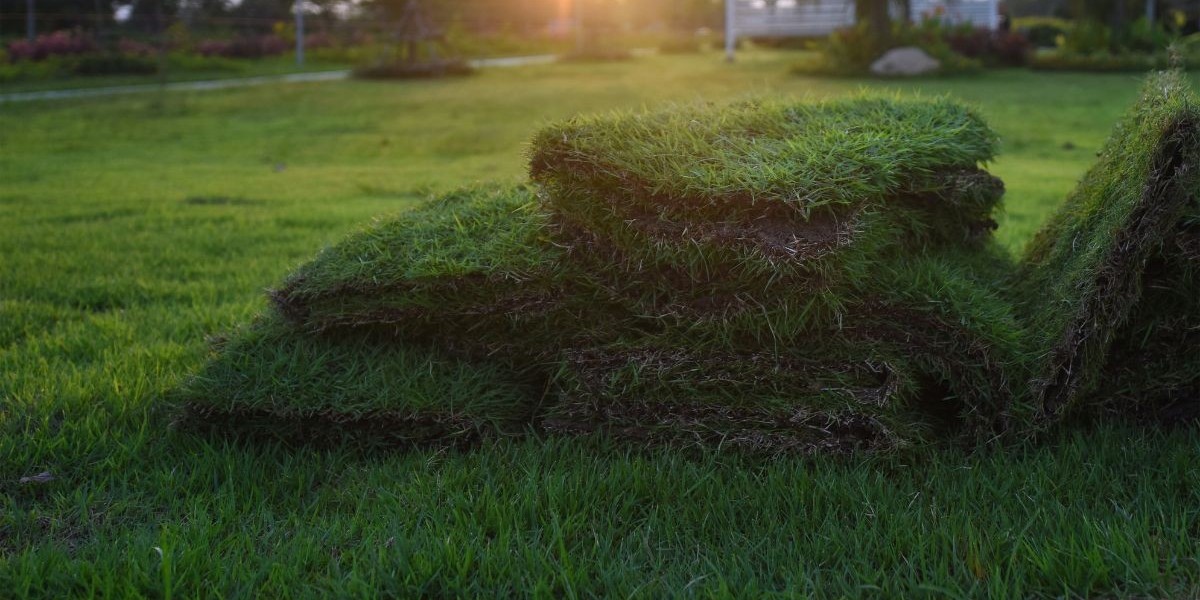

Creating a beautiful, healthy lawn doesn’t have to be complicated or high-maintenance. For homeowners and landscapers seeking an attractive turfgrass that thrives with minimal care, TifBlair® Centipede sod is an excellent choice. Known for its durability, adaptability, and low input requirements, TifBlair® Centipede has become one of the most popular warm-season grasses for residential and commercial landscapes. This article explores everything you need to know about TifBlair® Centipede sod, from its origins and benefits to installation, care, and long-term maintenance.
What Is TifBlair® Centipede Sod?
TifBlair® Centipede is an improved variety of centipedegrass developed through research at the University of Georgia. It was bred specifically to enhance cold tolerance while maintaining the low-maintenance characteristics that centipedegrass is known for. Compared to common centipedegrass, TifBlair® offers better survival in cooler temperatures and improved overall performance, making it suitable for a wider geographic range.
This grass has a medium texture and a naturally light to medium green color. It spreads through stolons, forming a dense, uniform turf when properly maintained. Because of its slow growth rate, it requires less mowing and fewer inputs than many other warm-season grasses.
Key Benefits of TifBlair® Centipede Sod
One of the main reasons homeowners choose TifBlair® Centipede sod is its low maintenance requirement. Unlike grasses that demand frequent fertilization, watering, and mowing, TifBlair® thrives with minimal care.
Another major advantage is its excellent cold tolerance. Traditional centipedegrass can struggle in cooler climates, but TifBlair® was developed to withstand colder winters, reducing the risk of winter kill. This makes it an ideal choice for transitional zones where temperature fluctuations are common.
TifBlair® Centipede sod is also highly drought tolerant once established. Its deep root system allows it to survive periods of limited rainfall, helping homeowners conserve water while maintaining an attractive lawn.
Additionally, this grass has good resistance to pests and diseases, which reduces the need for chemical treatments. Its natural resilience makes it an environmentally friendly option for sustainable landscaping.
Ideal Growing Conditions
TifBlair® Centipede sod performs best in warm climates with moderate sunlight. It prefers full sun but can tolerate partial shade, making it suitable for yards with scattered trees or buildings that block sunlight for part of the day.
Soil conditions play a crucial role in the success of this grass. TifBlair® thrives in acidic soils, typically with a pH between 5.0 and 6.0. Unlike many turfgrasses, it does not perform well in alkaline soils, so soil testing is recommended before installation.
Proper drainage is essential. While TifBlair® can handle occasional moisture, standing water or poorly drained soils can lead to root problems and thinning turf.
Installing TifBlair® Centipede Sod
Proper installation is key to achieving a healthy, long-lasting lawn. Before laying TifBlair® Centipede sod, the area should be cleared of weeds, debris, and old grass. The soil should be loosened and graded to ensure a smooth surface and good drainage.
Sod should be laid as soon as possible after delivery to prevent drying. Pieces should be installed tightly together in a staggered pattern, similar to laying bricks, to minimize visible seams. Once installed, the sod should be rolled to ensure good soil contact and eliminate air pockets.
Watering immediately after installation is critical. The sod should be thoroughly soaked to help the roots establish quickly. Consistent moisture during the first few weeks is essential for successful establishment.
Watering and Fertilization Needs
After establishment, TifBlair® Centipede sod requires less water than many other turfgrasses. Deep, infrequent watering is recommended to encourage strong root development. Overwatering can lead to disease and weak growth, so it’s important to let the soil dry slightly between watering sessions.
Fertilization should be done sparingly. One of the most common mistakes with centipedegrass is over-fertilizing. TifBlair® typically needs only one to two light applications of fertilizer per year. Using a low-nitrogen fertilizer formulated for centipedegrass helps maintain healthy growth without causing excessive thatch or stress.
Mowing and Maintenance
Mowing TifBlair® Centipede sod is simple due to its slow growth rate. The recommended mowing height is usually between 1.5 and 2 inches. Cutting too low can stress the grass and expose soil, while cutting too high can lead to thatch buildup.
Sharp mower blades are essential to prevent tearing the grass, which can lead to disease. Regular mowing during the growing season keeps the lawn neat and encourages lateral growth.
Thatch accumulation is generally minimal with TifBlair®, but periodic inspection is recommended. If thatch becomes excessive, light dethatching during the growing season can help maintain turf health.
Common Problems and How to Avoid Them
While TifBlair® Centipede sod is relatively hardy, improper care can lead to problems. One of the most common issues is iron chlorosis, which causes yellowing of the grass due to high soil pH. Applying iron supplements or soil amendments can help correct this issue.
Weeds can also be a challenge, especially during establishment. Pre-emergent herbicides and proper mowing practices help prevent weed invasion. Avoid using harsh chemicals that may stress the grass.
Pest issues are generally minimal, but occasional insect problems may occur. Monitoring the lawn regularly allows for early detection and treatment if needed.
Is TifBlair® Centipede Sod Right for You?
TifBlair® Centipede sod is an excellent option for homeowners who want a low-maintenance, attractive lawn without the constant upkeep required by more demanding grass types. It is particularly well-suited for warm and transitional climates, acidic soils, and areas where water conservation is important.
However, it may not be the best choice for high-traffic areas, as its slow growth makes recovery from heavy wear more challenging. For most residential lawns, though, its benefits far outweigh its limitations.
Conclusion
TifBlair® Centipede sod offers a practical, beautiful solution for those seeking an easy-care lawn that still delivers visual appeal. With its improved cold tolerance, drought resistance, and minimal maintenance needs, it stands out as a reliable turfgrass choice. By understanding its growing requirements and following proper installation and care practices, you can enjoy a lush, healthy lawn that stays green and inviting for years to come.