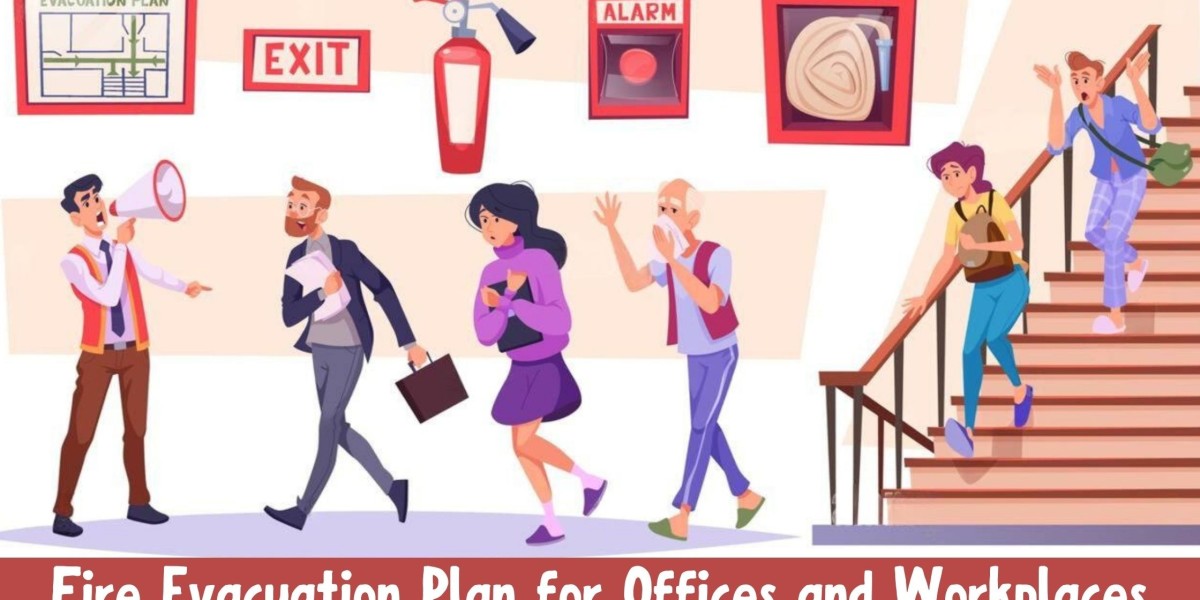

A fire evacuation plan for offices and workplaces is a documented set of procedures that helps employees safely exit a building during a fire or emergency. It defines escape routes, roles, assembly points, and communication steps to minimize injuries, panic, and property damage.
In today’s regulatory and safety-conscious environment, having a clear fire evacuation plan is not optional—it is essential for life safety, legal compliance, and business continuity.
What Is a Fire Evacuation Plan?
A fire evacuation plan is a structured emergency response strategy that outlines how occupants can safely evacuate a building during a fire. It includes exit routes, evacuation responsibilities, alarm systems, and post-evacuation procedures.
Why Fire Evacuation Planning Is Critical for Workplaces?
Offices and commercial buildings have:
- High occupant density
- Electrical equipment and combustible materials
- Multiple floors and enclosed spaces
Without a defined evacuation plan, employees may panic, choose unsafe exits, or delay evacuation—leading to serious injuries or fatalities.
Key Benefits:
- Protects employee lives
- Reduces confusion and chaos
- Ensures compliance with fire safety regulations
- Minimizes business interruption
Key Elements of an Effective Fire Evacuation Plan
1. Clear Emergency Exit Routes
Emergency exit routes must be clearly marked, well-lit, and unobstructed at all times. Offices should have at least two exit paths from every work area, especially in multi-storey buildings. Floor plans displaying evacuation routes should be placed at visible locations such as entrances, corridors, and near elevators.
2. Fire Alarm and Detection Systems
A functional fire alarm system is the first trigger for evacuation. Smoke detectors, manual call points, and audible alarms must be regularly tested to ensure prompt alerts. Employees should be trained to respond immediately when alarms sound, without waiting for confirmation.
3. Assigned Roles and Responsibilities
Designating fire wardens or floor marshals helps guide employees during emergencies. These individuals ensure areas are cleared, assist persons with disabilities, and report status to emergency responders. Clear role assignment prevents confusion during evacuations.
4. Assembly Points and Headcounts
An assembly point is a safe location outside the building where employees gather after evacuation. It allows supervisors to conduct headcounts and identify missing persons quickly. Assembly areas should be clearly communicated and kept free from traffic hazards.
5. Support for Persons with Disabilities
Evacuation plans must include provisions for employees or visitors with mobility, visual, or hearing impairments. This may involve refuge areas, buddy systems, or evacuation chairs to ensure no one is left behind.
6. Firefighting Equipment Awareness
While evacuation is the priority, employees should know the locations of fire extinguishers and understand basic usage. Only trained personnel should attempt to control small fires, and only if it is safe to do so.
Step-by-Step Fire Evacuation Procedure
- Fire alarm activates or fire is detected
- Employees stop work immediately
- Evacuate using nearest safe exit
- Do not use elevators
- Assist others if trained to do so
- Proceed to designated assembly point
- Report to supervisor or fire warden
- Do not re-enter until declared safe
Fire Evacuation Plan for Multi-Storey Office Buildings
Multi-storey offices require additional planning due to stairwell congestion and longer evacuation times. Staircases must remain unlocked and free of obstructions. Evacuation drills should include staggered floor exits to prevent overcrowding and ensure smooth movement.
Importance of Fire Drills and Training
A fire evacuation plan is only effective if employees understand and practice it.
Best Practices:
- Conduct fire drills at least twice a year
- Train new employees during onboarding
- Review evacuation routes periodically
- Update plans after layout changes
Regular drills help employees react calmly and confidently during real emergencies.
Common Mistakes to Avoid in Workplace Evacuation Plans
- Blocked or Locked Emergency Exits - Storing furniture, decorations, or equipment near exits can severely delay evacuation and increase injury risk.
- Outdated Evacuation Maps - Office layout changes without updating evacuation plans can mislead employees during emergencies.
- Lack of Employee Training - Even the best evacuation plan fails if employees are unaware of procedures or assembly points.
- Ignoring People with Special Needs - Failure to plan evacuation support for persons with disabilities puts lives at serious risk.
- Poor Alarm Maintenance - Non-functional alarms or unclear warning systems delay evacuation and reduce response time.
Legal and Compliance Considerations
Most fire safety regulations require:
- Written fire evacuation plans
- Clearly marked exits
- Employee fire safety training
- Regular inspections and drills
Failure to comply can lead to penalties, legal liability, and reputational damage.
Final Thoughts
A fire evacuation plan for offices and workplaces is more than a mandatory document—it is a critical life-safety measure. Clear evacuation procedures help employees respond quickly and without confusion during emergencies, reducing panic and preventing injuries. When staff are properly trained and familiar with exit routes and assembly points, evacuations become faster and more orderly.
Equally important are well-maintained fire safety systems such as alarms, exit signage, emergency lighting, and fire extinguishers. These systems support safe evacuation when visibility is low and time is limited. Together, planning, training, and maintenance create a safer work environment. Prepared workplaces are safer workplaces.