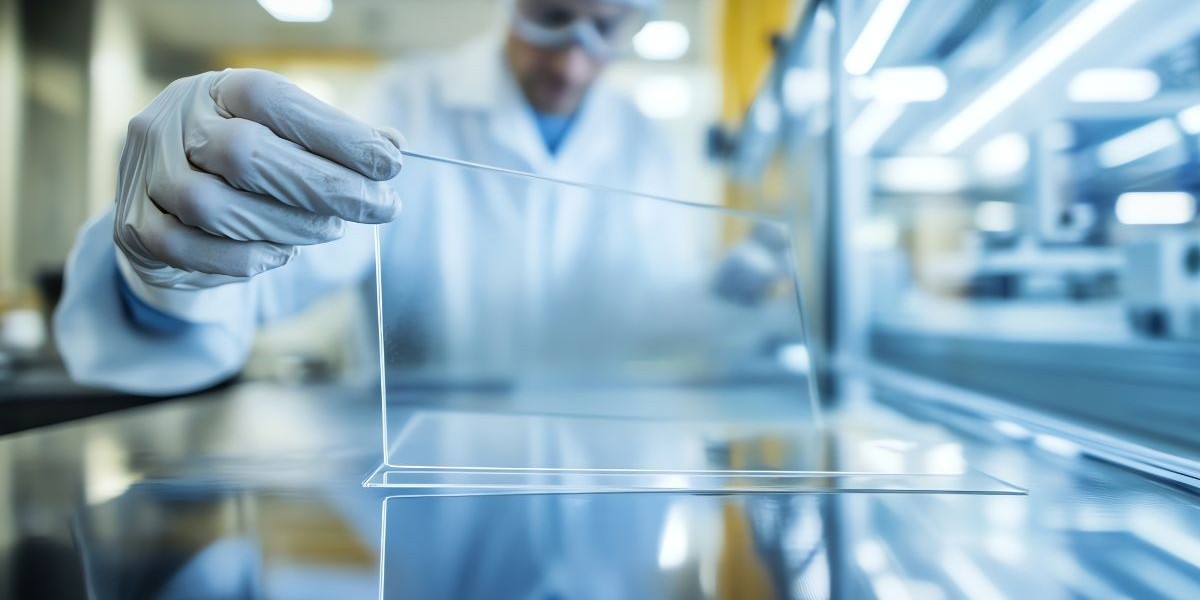

The rapid evolution of microelectronics has necessitated the development of highly controlled environments to ensure precision, reliability, and yield. Microelectronics cleanrooms are specialized spaces designed to minimize contamination, control particulate levels, and maintain strict environmental conditions. Constructing these cleanrooms requires a deep understanding of advanced materials, technologies, and design principles. In this article, we explore the key technologies and materials that define modern microelectronics cleanroom construction.
Understanding Microelectronics Cleanrooms
Microelectronics cleanrooms are critical facilities for manufacturing semiconductors, integrated circuits, and other high-precision electronic components. Even microscopic contaminants such as dust, skin particles, or chemical residues can compromise the integrity of microelectronic devices. As a result, these cleanrooms are designed to meet stringent cleanliness standards defined by organizations such as ISO 14644-1.
Cleanrooms are classified based on the number of particles per cubic meter, ranging from ISO Class 1, which allows only one particle ≥0.1 micrometer per cubic meter, to ISO Class 8, which permits up to 3,520,000 particles ≥0.5 micrometers per cubic meter. The selection of materials and technologies in construction directly affects a cleanroom's ability to meet these standards.
Key Materials in Microelectronics Cleanroom Construction
1. Wall and Ceiling Panels
The walls and ceilings of a cleanroom must be smooth, non-porous, and resistant to microbial growth. Common materials include:
Aluminum Composite Panels (ACP): Lightweight, durable, and corrosion-resistant. ACPs provide a smooth surface that is easy to clean and maintain.
High-Pressure Laminate (HPL): Offers excellent chemical resistance and is ideal for environments where frequent cleaning is required.
Powder-Coated Steel Panels: Provide a robust structure and are coated to resist chemical exposure and particulate accumulation.
2. Flooring Materials
Flooring in a microelectronics cleanroom must prevent static buildup, resist chemical spills, and allow easy cleaning. Common choices include:
Epoxy Flooring: Seamless and chemical-resistant, epoxy floors minimize dust accumulation and particle generation.
Vinyl Flooring: Conductive vinyl flooring prevents electrostatic discharge (ESD), which is critical for protecting sensitive electronic components.
Raised Access Flooring: Often used to conceal HVAC and cabling systems, providing both functionality and flexibility.
3. Doors and Windows
Cleanroom doors and windows must maintain airtight seals and minimize particle ingress. Materials often used include:
Tempered Glass Windows: Allow visibility without compromising cleanliness and are easy to sanitize.
Aluminum or Stainless Steel Doors: Durable and resistant to corrosion, with gasketed edges to prevent contamination.
4. HVAC and Filtration Systems
A critical component of microelectronics cleanrooms is the Heating, Ventilation, and Air Conditioning (HVAC) system, coupled with High-Efficiency Particulate Air (HEPA) or Ultra-Low Penetration Air (ULPA) filters. These systems control temperature, humidity, and particulate levels. Materials and technologies used include:
Stainless Steel Ducting: Reduces microbial growth and ensures a smooth surface for airflow.
HEPA and ULPA Filters: Capture particles as small as 0.1 micrometers, ensuring the air meets ISO cleanroom standards.
Air Shower Systems: Installed at entrances to remove particulates from personnel before entering the cleanroom.
Advanced Technologies in Cleanroom Construction
1. Modular Cleanroom Systems
Modular construction uses prefabricated panels and components that can be quickly assembled and reconfigured. Advantages include:
Flexibility: Easy to expand or modify without major renovations.
Time Efficiency: Shorter construction timelines compared to traditional methods.
Cost-Effectiveness: Reduced labor and material waste.
2. Electrostatic Discharge (ESD) Control
Static electricity can damage microelectronic components, making ESD control essential. Technologies include:
ESD Flooring and Work Surfaces: Conductive or dissipative materials that safely discharge static.
Ionization Systems: Neutralize static charges in the air.
ESD-Safe Apparel: Garments made from anti-static fibers for personnel.
3. Contamination Monitoring Systems
Modern cleanrooms are equipped with sensors and monitoring devices that provide real-time feedback on particle counts, temperature, humidity, and airflow. Technologies include:
Particle Counters: Continuously measure airborne particles.
Environmental Sensors: Track temperature, humidity, and differential pressure.
Automated Data Logging: Ensures compliance with regulatory standards and provides analytics for process optimization.
4. Lighting Solutions
Proper lighting is essential for microelectronics assembly and inspection. LED lighting is preferred due to its low heat emission, long lifespan, and uniform illumination. Cleanroom lighting fixtures are designed to be dust-resistant, easy to clean, and compatible with ESD safety standards.
Design Considerations for Microelectronics Cleanrooms
When constructing a microelectronics cleanroom, several design factors must be considered:
Airflow Patterns: Laminar airflow is commonly used to minimize turbulence and prevent particle deposition on critical surfaces.
Pressure Differentials: Positive pressure prevents contaminants from entering the cleanroom from adjacent areas.
Material Compatibility: All surfaces must resist corrosion, chemical exposure, and microbial growth.
Ergonomics and Workflow: Proper layout enhances productivity and reduces contamination risks during manufacturing processes.
Maintenance and Sustainability
Cleanroom materials and technologies are selected not only for performance but also for ease of maintenance and sustainability. Low-maintenance surfaces, durable flooring, and modular components reduce downtime and cleaning costs. Additionally, energy-efficient HVAC systems and LED lighting contribute to environmental sustainability and cost savings.
Conclusion
The construction of microelectronics cleanrooms requires meticulous planning, advanced materials, and cutting-edge technologies. From high-performance wall panels and ESD-safe flooring to modular systems and precision HVAC setups, every component plays a critical role in maintaining the ultra-clean environment essential for microelectronics manufacturing. As the industry continues to innovate, future cleanrooms will increasingly leverage smart monitoring, modular flexibility, and sustainable materials to meet the evolving demands of microelectronics production.
By understanding and implementing the right technologies and materials, manufacturers can ensure optimal performance, protect sensitive components, and maintain a competitive edge in the high-precision world of microelectronics.