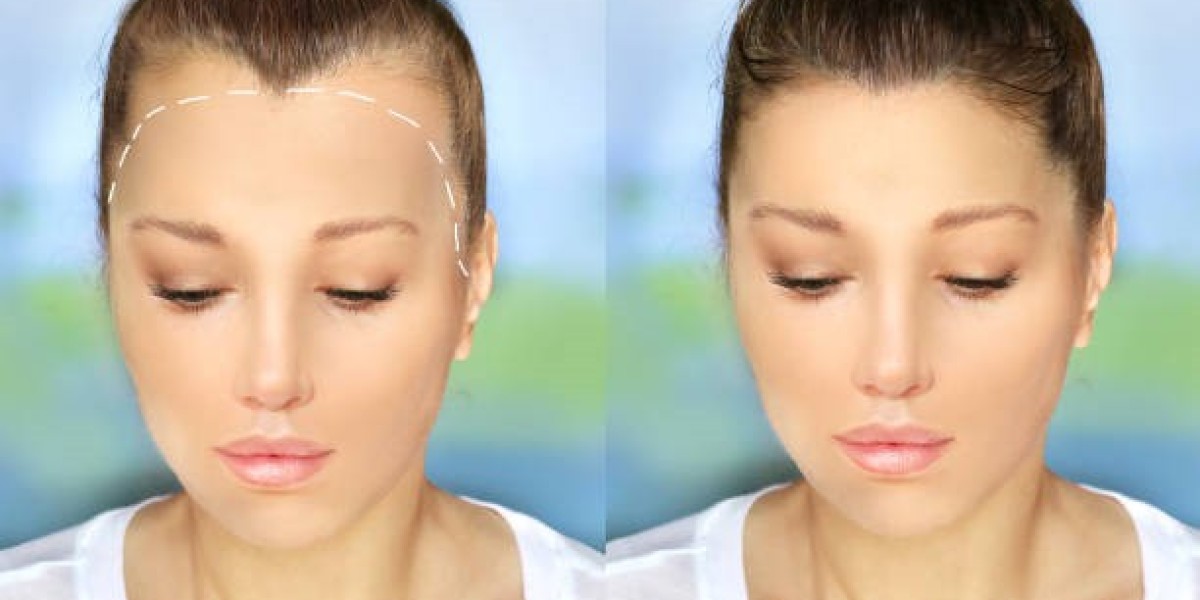

Imagine waking up to a fuller head of hair that boosts your confidence and turns heads. Hair Transplant in Riyadh offers a transformative solution for those battling hair loss, blending advanced techniques with natural results. This surgery restores hairlines and fills thinning areas, helping millions regain their youthful appearance.
Many people search for details on the Cost of hair transplant in Riyadh(تكلفة زراعة الشعر في الرياض), weighing options against long-term benefits. While prices vary based on individual needs, the procedure delivers lasting value through precision and expertise. Dive into this comprehensive walkthrough to understand every stage, empowering you to make informed decisions about your journey.
Understanding Hair Transplant Basics
Hair transplant surgery involves relocating healthy hair follicles from a donor area, typically the back of the head, to balding or thinning spots. This method ensures permanent, natural-looking growth because transplanted follicles resist future hair loss. Patients often choose it for receding hairlines, crown baldness, or overall density improvement.
The process appeals to men and women experiencing pattern baldness, trauma-related loss, or even scarring alopecia. Modern techniques minimize downtime, making it accessible for busy lifestyles. By grasping these fundamentals, you set realistic expectations for stunning outcomes.
Why Choose Hair Transplant Over Other Treatments?
Non-surgical options like medications or toppers provide temporary fixes, but transplants offer a one-time, enduring solution. They integrate seamlessly with existing hair, avoiding unnatural patches. Plus, advancements in Riyadh clinics enhance precision, reducing risks and accelerating recovery.
Initial Consultation Phase
Your journey begins with a detailed consultation where experts assess your scalp, hair quality, and medical history. They examine donor site density to determine viable follicles and discuss goals like restoring a mature hairline or boosting crown fullness. Digital imaging tools simulate potential results, giving you a preview of your future look.
Expect questions about lifestyle, allergies, and medications to tailor the plan. This step uncovers if you're an ideal candidate, considering factors like age and overall health. Leaving armed with a personalized roadmap builds excitement and trust.
Preparing for Your First Visit
Arrive with photos of desired styles and a list of concerns. Avoid styling products that day for accurate evaluation. Hydrate well and note any recent hair treatments, ensuring a smooth, productive session.
Pre-Operative Preparations
Once approved, pre-op instructions kick in about two weeks prior. Stop smoking and limit alcohol to promote healing and blood flow. Discontinue blood-thinning meds like aspirin under guidance, and start gentle scalp massages to improve circulation.
Maintain a nutrient-rich diet with proteins, vitamins, and biotin to strengthen follicles. Get ample rest and avoid sun exposure on the scalp. These steps optimize your body's readiness, minimizing complications and maximizing graft survival.
Essential Lifestyle Adjustments
Incorporate light exercise but skip heavy workouts. Use mild shampoos and protect your scalp from harsh weather. Track progress with a journal, noting any changes for your surgeon's review.
Day of the Surgery: What Happens Step by Step
Surgery day starts with a relaxed arrival at the clinic, often in the morning. Local anesthesia numbs the donor and recipient areas, ensuring comfort throughout—no general sedation needed. You'll recline while the team harvests follicles using advanced tools.
Follicle Extraction Process
In Follicular Unit Extraction (FUE), tiny punches remove individual grafts painlessly, preserving the scalp's appearance. Follicular Unit Transplantation (FUT) strips a thin donor band for dissection under microscopes. Both yield high-quality follicles, with FUE favored for minimal scarring.
Creating Recipient Sites
Surgeons meticulously design tiny incisions in the balding area, angling them to mimic natural growth patterns. This artistic precision ensures hair flows seamlessly, blending with surrounding strands for undetectable results.
Graft Implantation
Harvested follicles get implanted one by one into prepared sites. Technicians place 1-4 hairs per graft, achieving desired density. The procedure lasts 4-8 hours, with breaks for snacks and stretching, keeping you comfortable.
Immediate Post-Operative Care
Right after, your scalp gets bandaged lightly, and you're briefed on aftercare. Head home with a protective cap, resting with elevated pillows to reduce swelling. Tiny scabs form over incisions—normal and temporary.
Pain remains mild, managed with prescribed meds. Avoid touching the area and follow a soft diet initially. This phase sets the foundation for robust growth.
First 48 Hours Essentials
Sleep semi-upright, apply ice packs gently, and sip water frequently. No bending or heavy lifting to prevent bleeding. Monitor for unusual redness, contacting your team if needed.
First Week Recovery Timeline
Swelling peaks around day 3, fading by week's end—cold compresses help. Scabs shed naturally; gentle washing starts on day 3 with baby shampoo. Resume light activities but skip gyms or hats.
Itching is common as healing begins; resist scratching to protect grafts. Many return to work by day 5, sporting a loose scarf for discretion. Patience here yields impressive early signs.
Daily Care Routine
Pat dry after washing, avoid direct showers on the scalp. Use recommended sprays to soothe and hydrate. Track photos daily to witness subtle progress.
Weeks 2-4: Visible Changes Emerge
By week 2, redness diminishes, and transplanted hair may shed—this "shock loss" is temporary, paving way for new growth. Normal shampooing resumes, along with styling if gentle. Sun protection becomes crucial as skin sensitizes.
Exercise restarts gradually, avoiding sweat on the scalp. Friends notice subtle density improvements, boosting your morale. This transitional period tests commitment but rewards with optimism.
Managing Itch and Shedding
Over-the-counter antihistamines ease discomfort. Minoxidil application might begin per advice, stimulating follicles. Stay consistent for optimal regrowth.
Months 1-6: Growth Acceleration
From month 1, "dormant" phase ends as new hairs sprout finely. By month 3, visible thickening occurs, with 30-40% growth. Density builds progressively, transforming your appearance.
Regular follow-ups monitor progress, adjusting care as needed. Confidence surges as mirrors reflect change—celebrate milestones like filling that widow's peak.
Nutrition for Faster Growth
Boost intake of omega-3s, zinc, and iron via salmon, nuts, and greens. Hydration supports cellular repair, hastening visible fullness.
Long-Term Maintenance and Results
Months 6-12 bring 60-80% final density, maturing into thick, natural hair. By year 1, results stabilize, resisting balding patterns. Annual check-ins ensure longevity.
Styling freedom returns fully—cut, color, or swim without worry. Lifelong habits like scalp massages sustain vitality, making your investment timeless.
Maximizing Permanence
Avoid traction hairstyles and harsh chemicals. UV protection and balanced hormones preserve gains for decades.
Ready to embark on your Hair Transplant in Riyadh journey? Schedule a consultation at Enfield Royal Saudi (إنفيلد رويال السعودية)today and unlock the fuller, confident you deserve. Your transformation awaits—take the first step now!
Frequently Asked Questions
What is the typical recovery time after hair transplant surgery?
Most patients resume normal activities within a week, with full healing in 2-4 weeks. Swelling subsides quickly, and growth starts visibly by month 3.
Who is an ideal candidate for hair transplant in Riyadh?
Individuals with stable hair loss patterns, sufficient donor hair, and good health qualify best. Ages 25-60 often see optimal results.
How do FUE and FUT differ in hair transplant techniques?
FUE extracts individual follicles for minimal scarring, ideal for short hair. FUT uses a strip method for higher graft yields in extensive cases.
Will transplanted hair fall out permanently?
No, shock loss is temporary; new growth is permanent and DHT-resistant, ensuring lifelong results.
Can women undergo hair transplant procedures effectively?
Yes, customized approaches address female pattern loss, hormonal issues, or traction alopecia with natural outcomes.
What aftercare tips ensure the best hair transplant results?
Follow gentle washing, avoid sun and sweat initially, maintain nutrition, and attend follow-ups for sustained density and health.










