
After undergoing a hair transplant, proper follow-up care plays a crucial role in achieving natural-looking results and minimizing complications. Best hair transplant center in Riyadh(افضل مركز لزراعة الشعر في الرياض) Many patients overlook this phase, yet it's where your new hair takes root and thrives. This guide dives into essential tips, timelines, and best practices to ensure your investment pays off with lush, permanent growth.
Imagine waking up each day with confidence restored—no more hiding under hats or worrying about thinning spots. Effective post-op care transforms a good procedure into an exceptional outcome. Whether you're days or months post-surgery, these actionable insights will keep your scalp healthy and your hairline thriving.
Hair Transplant in Riyadh has surged in popularity due to advanced techniques and skilled specialists catering to diverse needs. Patients flock here for reliable solutions to hair loss, blending modern innovation with personalized care. Boldly embracing Hair Transplant in Riyadh means prioritizing recovery just as much as the surgery itself.
Why Follow-Up Care Matters After Hair Transplant
Skipping follow-up care can lead to poor graft survival, infections, or uneven growth—issues that undo months of progress. Think of your transplanted follicles as delicate seedlings needing the right soil, water, and sunlight to flourish.
Surgeons emphasize that the first few weeks post-op determine 80-90% of success. Regular check-ins allow professionals to monitor healing, adjust medications, and catch problems early. Committing to this routine boosts density and speeds up your return to normal life.
Engaging in follow-up isn't just medical advice; it's your ticket to realistic, long-lasting results that turn heads.
Common Mistakes to Avoid in Early Recovery
Rushing back to work or ignoring swelling signals spells trouble. Overexposure to sun or sweat clogs follicles, risking shedding. Stay patient—rushing invites setbacks.
Day-by-Day Hair Transplant Recovery Timeline
Understanding the stages keeps anxiety at bay and empowers you to act proactively.
Days 1-7: The Critical Initial Phase
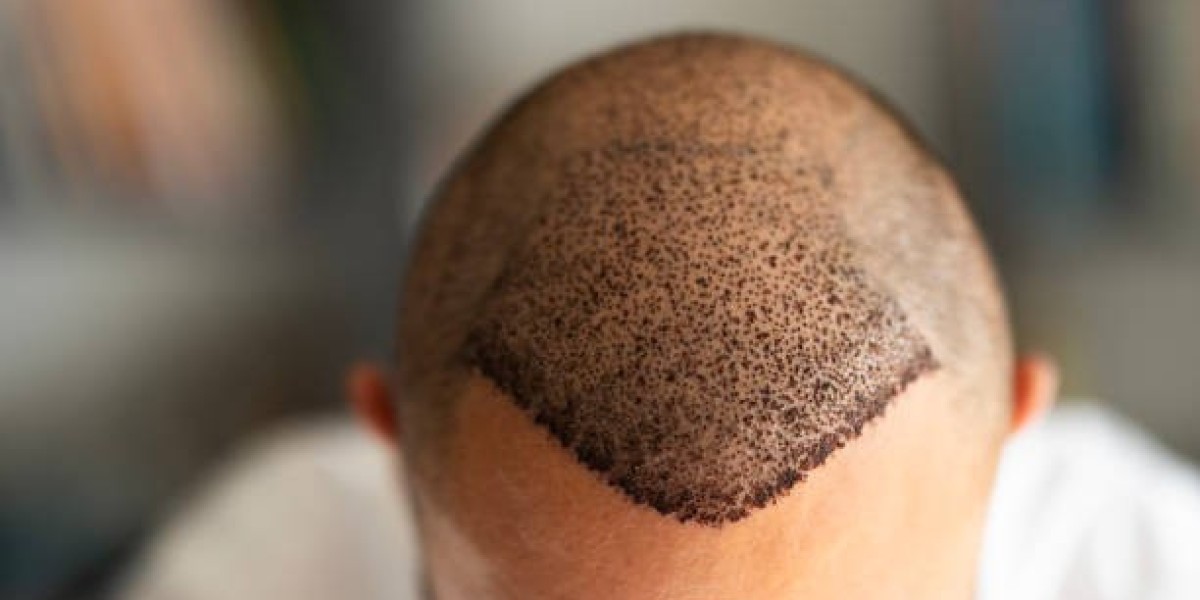
Your scalp will feel tender with scabs forming around grafts. Sleep elevated to reduce swelling, and gently wash with provided solutions. Avoid touching or scratching—this preserves those precious follicles.
Swelling peaks around day 3-4, often around the forehead. Cold compresses (not directly on grafts) ease discomfort. Stick to a soft diet to minimize strain.
By day 7, scabs loosen during your first wash. Patience here prevents dislodging new hairs.
Weeks 2-4: Shock Loss and New Growth Signs
Expect "shock loss," where existing hairs shed—this is normal as follicles reset. Don't panic; it's a sign of activity beneath the surface.
Itching intensifies, but resist scratching. Use prescribed lotions sparingly. Light walking promotes circulation without sweat buildup.
Visible tiny stubs emerge, hinting at future density.
Months 1-3: Stabilization Period
Redness fades, and donor areas heal fully. Resume gentle styling, but skip dyes or heat tools. Regular check-ups confirm graft take rates.
New hairs sprout unevenly—thin at first, like baby grass.
Months 4-12: Full Results Unfold
By month 6, 60% growth shows; full maturity hits at 12-18 months. Density improves as hairs thicken naturally.
Beyond Year 1: Maintenance Mode
Annual visits ensure longevity. Lifestyle tweaks sustain your new look indefinitely.
Essential Post-Hair Transplant Care Tips
Master these habits for optimal healing and vibrant results.
Gentle Cleansing Routines
Start with baby shampoo dilutions, patting dry never rubbing. Progress to normal washes by week 3.
Protecting from External Factors
Shield your scalp with loose hats outdoors. Avoid saunas, pools, or direct sun for 4 weeks minimum.
Nutrition and Lifestyle Boosts
Fuel growth with protein-rich foods, biotin, and zinc. Stay hydrated and manage stress—cortisol hampers regrowth.
Quit smoking; it constricts blood vessels starving follicles.
Medications and Topical Treatments
Follow antibiotic and anti-inflammatory prescriptions religiously. Minoxidil restarts around week 4, per advice.
Managing Common Side Effects
Swelling, numbness, or itching? Normal, but know when to alert your team.
Swelling: Peaks early; pineapple enzyme supplements help naturally.
Itching: Moisturize lightly; antihistamines soothe.
Scarring: Minimal with modern methods, fades over time.
Infections: Rare, but watch for pus or fever.
Pro tip: Journal symptoms daily for your surgeon's review.
Long-Term Hair Transplant Maintenance Strategies
Your transplant isn't "set it and forget it." Ongoing care locks in permanence.
Massage scalp weekly to boost circulation. Annual trims keep edges sharp. Monitor for progressive loss elsewhere—supplements or meds prevent it.
Embrace a holistic approach: balanced hormones, scalp health, and UV protection.
When to Schedule Follow-Up Appointments
First visit: 7-10 days post-op for scab check. Then weeks 3, 6, 12, and yearly.
These aren't optional— they're your roadmap to perfection. Track progress photos to celebrate milestones.
Ready to ensure your Hair Transplant in Riyadh journey succeeds? Book an appointment consultation clinic like 'Enfield Royal Riyadh (إنفيلد رويال الرياض)' today for tailored follow-up guidance.
FAQs
How soon can I wash my hair after Hair Transplant in Riyadh?
Gently start 24-48 hours post-op with surgeon-approved solutions. Full normal washing resumes by week 2.
What causes shock loss after hair transplant?
It's a normal telogen effluvium phase where follicles rest before robust regrowth. Expect it 2-6 weeks in.
Can I exercise post hair transplant?
Light walks from day 3; avoid sweat-inducing activities for 4 weeks to protect grafts.
When do hair transplant results become visible?
Initial growth at 3-4 months; peak density by 12-18 months for stunning transformation.
Is follow-up care different for FUE vs. FUT?
FUE heals faster with less scarring, but both demand identical gentle care timelines.