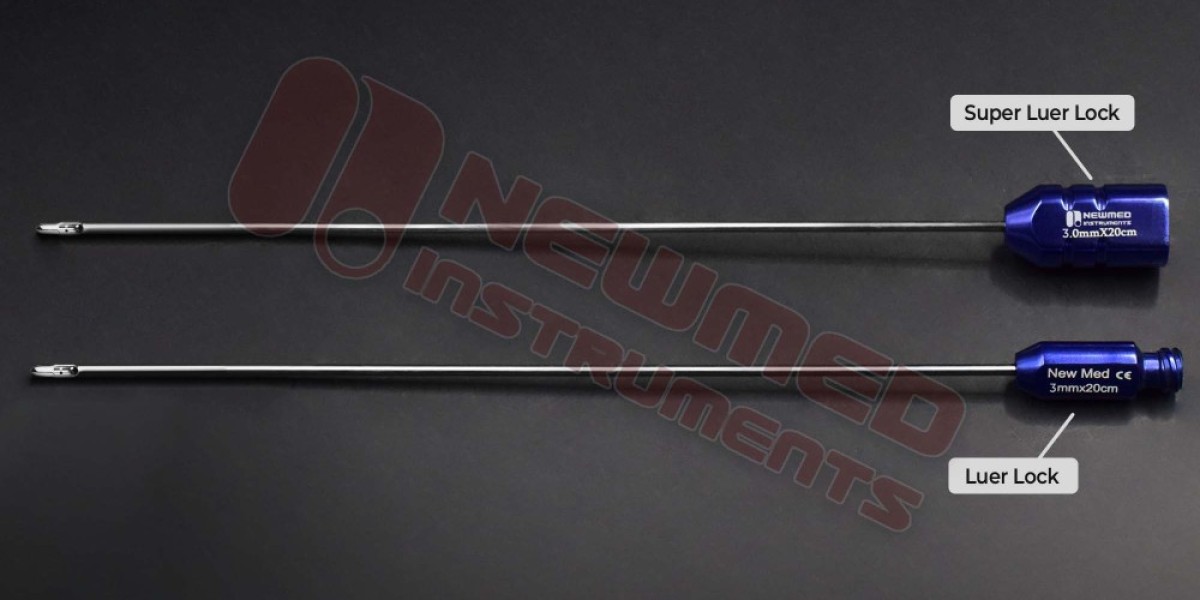

In the vast world of medical instruments, certain tools stand out for their versatility and critical role in patient care. The cannula is one such device. It is a thin tube inserted into the body, most commonly for the administration or removal of fluid or for the gathering of data. While it may seem simple, this instrument is fundamental to a wide range of medical procedures, from routine IV therapy to complex surgical interventions. Its design allows for minimally invasive access, making it an indispensable tool for modern medicine.
The Core Function and Design
At its most basic, a cannula works by providing a pathway into a vein, artery, or body cavity. It is typically inserted with the help of a sharp, inner needle called a trocar, which pierces the skin and tissue. Once the cannula is correctly positioned, the trocar is withdrawn, leaving the flexible tube in place. This design minimizes trauma and discomfort for the patient while ensuring a secure and stable access point for healthcare providers to deliver medications, fluids, or draw blood.
Diverse Types for Specialized Procedures
The term "cannula" encompasses a wide variety of devices, each tailored for a specific medical purpose. Intravenous (IV) cannulas are perhaps the most recognized, used daily in hospitals worldwide to establish a line for fluids and drugs. Nasal cannulas are used to deliver supplemental oxygen. In surgery, specialized cannulas are used in arthroscopic or laparoscopic procedures to inflate the surgical area and introduce instruments, providing surgeons with the access they need to operate with precision.
The Importance of Quality and Precision
For surgeons, students, and healthcare professionals, the quality of their instruments is non-negotiable. A well-designed cannula ensures smooth insertion, reduces the risk of complications like vein damage or infection, and provides reliable performance throughout a procedure. Precision in manufacturing translates directly to better patient outcomes. At New Med Instruments, we understand this critical connection, which is why we are dedicated to providing surgical instruments that meet the highest standards of quality and reliability.
Supporting Medical Professionals Worldwide
Our commitment extends beyond just the product. New Med Instruments aims to provide superior service to the medical community across the globe. We recognize that professionals who value perfect and precise results for their patients need instruments they can trust implicitly. Whether it's a routine IV insertion or a delicate surgical procedure, having a high-quality cannula is essential. We strive to be a trusted partner for healthcare providers, ensuring they have the tools necessary to deliver exceptional care.
Advancements in Cannula Technology
Medical technology is constantly evolving, and the design of the cannula for liposuction is no exception. Modern advancements focus on improving patient safety and comfort. Innovations include features like self-capping mechanisms to prevent needlestick injuries, materials that reduce the risk of clotting, and designs that enhance visibility during insertion through ultrasound guidance. These developments underscore the ongoing effort to refine even the most fundamental medical tools for better clinical practice.
Conclusion: A Vital Tool in Modern Healthcare
The humble cannula is a testament to how a simple design can have a profound impact on medicine. Its role in enabling countless procedures and improving patient care is undeniable. As technology continues to advance, so too will this essential instrument. For the dedicated surgeons, students, and healthcare professionals who demand excellence, New Med Instruments remains committed to supplying superior surgical tools that facilitate precise and successful patient outcomes.