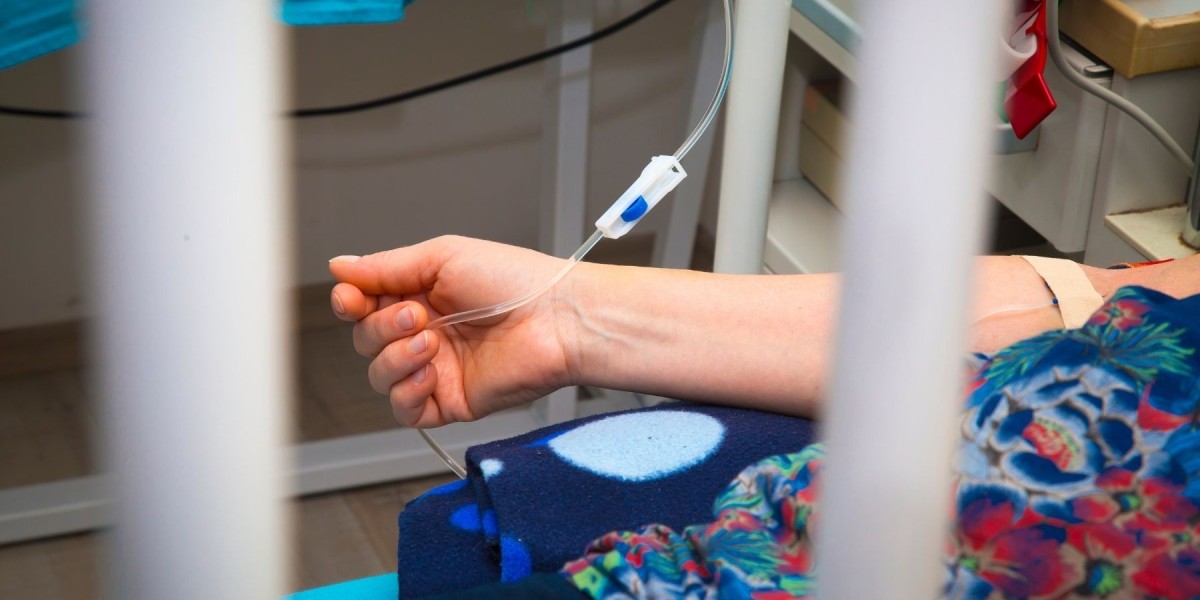

Providing a glucose drip at home in Dubai has become an increasingly preferred option for families caring for elderly patients who need consistent monitoring and treatment. Home-based care not only offers comfort but also reduces hospital visits and allows patients to maintain their routine. However, administering glucose intravenously outside a clinical setting requires careful planning, professional guidance, and strict adherence to safety protocols.
Understanding Glucose Therapy for Elderly Patients:
Elderly patients often have unique medical needs due to age-related changes in metabolism, organ function, and chronic illnesses. Glucose therapy helps manage low blood sugar, dehydration, or nutritional deficiencies. Key considerations include:
Assessing the patient’s medical history and current medications.
Determining the appropriate glucose concentration and infusion rate.
Monitoring vital signs and blood sugar levels regularly.
Ensuring professional supervision for safe administration.
Importance of Home-Based Care:
Home-based glucose therapy allows elderly patients to receive essential medical treatment in a familiar and comfortable environment. Benefits include:
Reducing stress associated with hospital visits.
Providing personalized care tailored to the patient’s needs.
Enabling family members to participate in care.
Minimizing exposure to hospital-acquired infections.
Safety Measures for Glucose Drip at Home:
Administering glucose at home requires strict safety protocols to prevent complications. Families and caregivers should focus on:
Sterilizing equipment and maintaining hygiene.
Ensuring the infusion rate is correctly set and monitored.
Observing for signs of complications such as swelling, infection, or hyperglycemia.
Keeping emergency contacts and medical support readily available.
Selecting the Right Healthcare Provider:
Choosing a qualified healthcare professional is crucial for safe home glucose therapy. Look for:
Certified nurses or trained caregivers experienced in intravenous therapy.
Availability of 24/7 support for emergencies.
Clear communication regarding the patient’s treatment plan.
Providers familiar with managing elderly patients with chronic illnesses.
Equipment and Supplies Needed:
Proper equipment ensures the smooth and safe delivery of glucose at home. Essential items include:
Intravenous infusion set and sterile glucose solution.
Blood glucose monitor and other vital monitoring tools.
Alcohol swabs and gloves for infection prevention.
Emergency medications and instructions in case of adverse reactions.
Monitoring and Adjusting Treatment:
Regular monitoring is essential to maintain the patient’s health and avoid complications. Important practices include:
Checking blood sugar levels before, during, and after the infusion.
Observing for signs of dehydration or fluid overload.
Adjusting glucose concentration or infusion rate based on patient response.
Documenting observations to share with healthcare providers for ongoing care.
Nutritional Considerations:
Glucose drips supplement but do not replace proper nutrition. For elderly patients:
Maintain a balanced diet rich in essential vitamins and minerals.
Consider dietary restrictions due to diabetes, kidney, or heart conditions.
Ensure adequate hydration alongside intravenous glucose therapy.
Work with a nutritionist or dietitian for comprehensive care planning.
Family and Caregiver Involvement:
Active participation of family members improves treatment outcomes. Responsibilities may include:
Helping monitor patient’s response to glucose therapy.
Recognizing early signs of complications.
Assisting with medication schedules and dietary plans.
Maintaining a safe and comfortable environment for the patient.
Legal and Ethical Considerations:
Providing intravenous therapy at home requires adherence to local regulations and ethical practices. Families should be aware of:
Licensing requirements for healthcare professionals in Dubai.
Consent forms and documentation for home-based medical care.
Ethical considerations regarding elderly patient autonomy and comfort.
Insurance coverage and cost transparency for home healthcare services.
Final Thoughts:
Ensuring a glucose drip at home in Dubai for elderly patients is a safe and effective option when proper precautions are followed. Collaboration between healthcare professionals, patients, and family members ensures comfort, safety, and optimal treatment outcomes. With careful monitoring, proper equipment, and a personalized care plan, elderly patients can maintain their health while staying in the comfort of their home. Remember, choosing experienced healthcare providers and understanding the patient’s unique needs are essential steps for successful home-based glucose therapy.