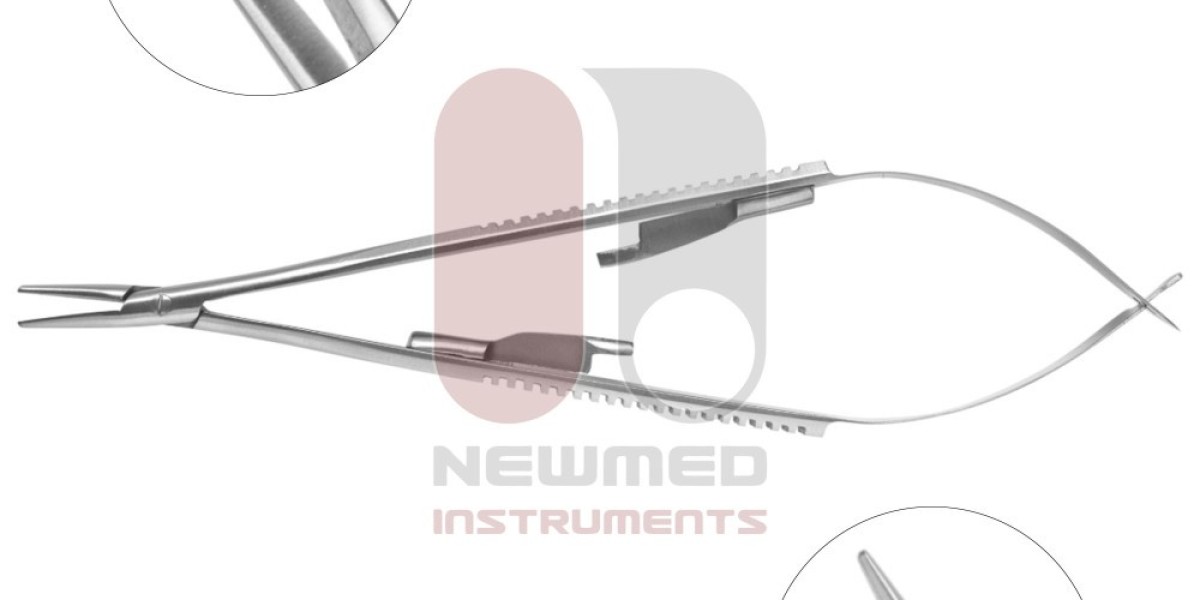

Every successful surgery relies on the seamless extension of a surgeon's hands through their instruments. Among the most fundamental tools in any operating theater are the grasping and suturing instruments that allow for delicate tissue manipulation and secure wound closure. The synergy between a surgeon's skill and the quality of their tools defines the outcome of a procedure. When a professional steps into the operating room, they need absolute confidence that their equipment will perform flawlessly. This is particularly true when handling critical tasks that require stability and exactness, such as suturing delicate vessels or manipulating skin flaps. New Med Instruments understands this forceps and needle holder vital connection and seeks to provide quality surgical instruments and superior service to surgeons, students, and healthcare professionals all over the world who value perfect and precise results for their patients.
Understanding the Dual Role of Grasping and Suturing
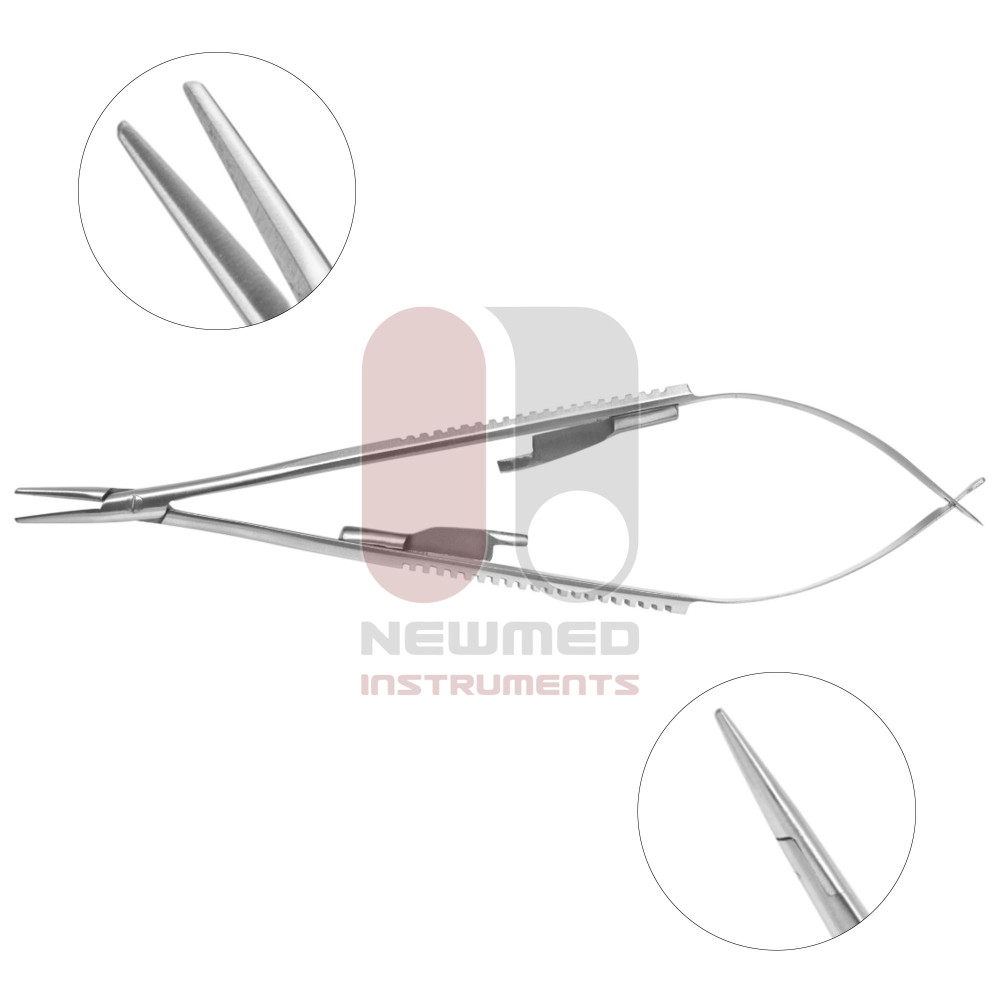
The intricate dance of surgery often requires two distinct actions to happen almost simultaneously. You must hold tissue securely without causing trauma while driving a needle through it with pinpoint accuracy. This is where the combination of a high-quality forceps and needle holder becomes indispensable. Forceps act as the surgeon's fingertips, extending their reach and allowing for the gentle retraction or stabilization of tissue. Meanwhile, the needle holder provides the rigid, locking grip necessary to drive curved needles through varying densities of tissue. Without this specific pairing, the efficiency of wound closure would be significantly compromised. Mastering the interplay between these two instruments is often one of the first and most crucial hurdles a medical student or resident must clear on their path to becoming a proficient surgeon.
Selecting the Right Instrument for the Procedure
Not all alligator forceps ear scenarios call for the same equipment, and the variety of designs available reflects the complexity of the human body. A cardiovascular surgeon working on a neonate requires vastly different tools than an orthopedic surgeon repairing a major trauma. However, the basic principle remains the same. You need a reliable forceps and needle holder set that matches the scale and delicacy of the tissue involved. For microsurgery, fine-tipped forceps and lighter needle holders prevent hand fatigue and allow for microscopic maneuvers. Conversely, heavier tissues require robust instruments with stronger jaws and more aggressive grip patterns. Whether a surgeon is just starting his practice or endeavoring to improve his techniques and add new procedures to an established repertoire, our products will meet his specific surgical needs by offering a wide range of specialized designs tailored to these diverse clinical environments.
The Mechanics of Secure Suturing
Suturing is an art form that demands rhythm and mechanical reliability. The needle holder must lock securely onto the needle, preventing it from twisting or slipping when pressure is applied. If the needle shifts during the drive phase, it can cause unnecessary tissue damage or result in an insecure knot. Simultaneously, the forceps must counter-press the tissue to facilitate the needle's passage. This coordinated effort relies heavily on the tactile feedback provided by the instruments. A premium forceps and needle holder combination transmits these subtle vibrations and resistance levels back to the surgeon's hands. This feedback loop allows the operator to adjust their pressure instinctively, ensuring that the needle passes through tissue smoothly rather than tearing it. High-quality stainless steel construction ensures that these instruments maintain their alignment and grip strength over hundreds of sterilization cycles.
Maintenance and Longevity of Surgical Steel
Investing in superior surgical instruments is an investment in patient safety and long-term practice efficiency. However, even the finest steel requires proper care to maintain its functionality. The delicate jaws of a needle holder often feature tungsten carbide inserts which provide a durable gripping surface, but these can wear down if treated poorly. Similarly, the fine teeth or serrations of forceps can become misaligned if dropped or mishandled. Routine inspection of your forceps and needle holder is mandatory to ensure they continue to function as intended. New Med Instruments prioritizes durability in manufacturing, ensuring that healthcare professionals receive tools that withstand the rigors of daily use. Proper cleaning, lubrication of hinges, and careful sterilization are essential practices that extend the life of these tools, ensuring they remain ready for the next life-saving procedure.
Elevating Surgical Outcomes Through Quality
The ultimate goal of any surgical intervention is the wellbeing of the patient. While the surgeon's knowledge and experience are paramount, the instruments they use act as the final delivery mechanism for that expertise. Subpar tools can lead to frustration, increased operative time, and potential complications. By choosing a high-standard forceps and needle holder, medical professionals eliminate variables that could negatively impact their work. It is about removing barriers between intention and execution. New Med Instruments is dedicated to supporting this pursuit of excellence. By providing superior tools, we empower surgeons to focus entirely on the procedure at hand, confident that their instruments will perform with the same precision and dedication that they bring to their patients every single day.