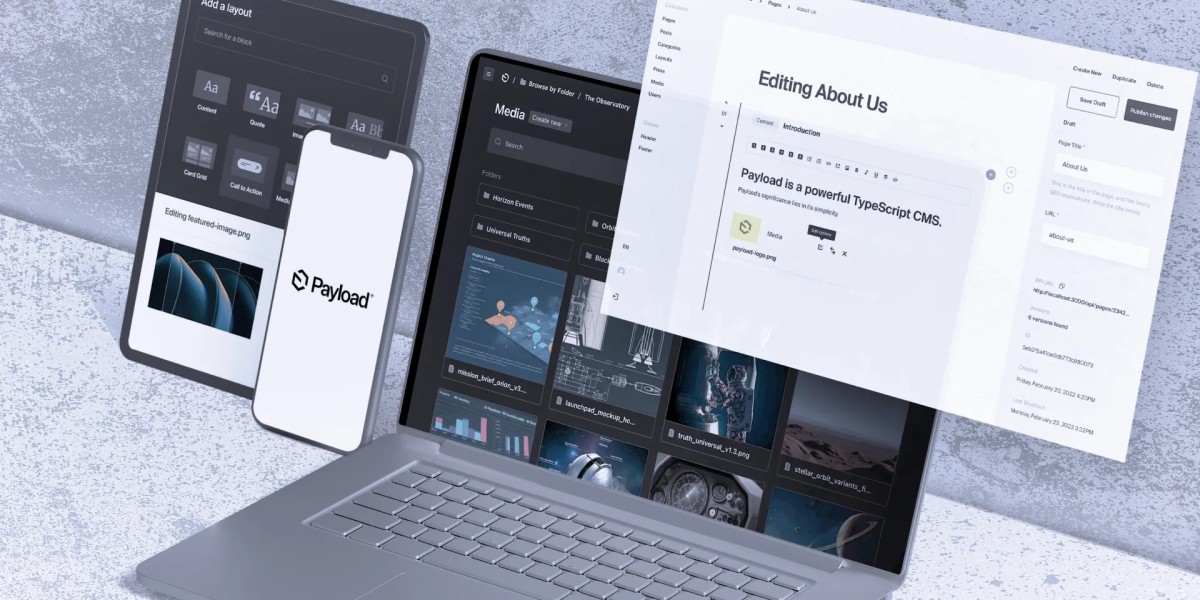

In today’s fast-moving digital economy, content is no longer static. Businesses need platforms that can adapt quickly, integrate seamlessly with custom software, and scale alongside growth. This is where Flexible CMS Development becomes a strategic asset rather than just a technical choice. A flexible content management system empowers organizations to manage, deliver, and optimize content across multiple channels while supporting innovation in web, mobile, cloud, and desktop environments.
At e360digital, we specialize in cutting-edge custom software solutions that help businesses transform digitally. From web and mobile applications to cloud-based platforms and enterprise desktop solutions, our approach to CMS development is rooted in flexibility, scalability, and performance. This article explores how Flexible CMS Development supports custom software ecosystems and drives sustainable digital growth.
Understanding Flexible CMS Development
A traditional CMS was designed primarily for managing website pages and blog posts. While these systems worked well in the early days of the web, they often struggle to keep up with modern business demands such as omnichannel delivery, complex integrations, and rapid scalability.
Flexible CMS Development refers to designing and implementing content management systems that are modular, extensible, and adaptable to different business needs. Instead of locking organizations into rigid templates and workflows, a flexible CMS allows customization at every level—from content models and APIs to user roles and third-party integrations.
Key Characteristics of a Flexible CMS
Modular architecture that allows features to be added or removed as needed
Custom CMS solutions tailored to unique business workflows
Scalable content management systems capable of handling growth
API-driven or headless CMS development for multi-channel content delivery
Seamless integration with custom software, CRMs, ERPs, and cloud services
This flexibility ensures that your CMS evolves with your business rather than holding it back.
Why Flexibility Matters in Modern Digital Ecosystems
Digital experiences today extend far beyond a single website. Businesses interact with customers through mobile apps, progressive web apps, IoT devices, digital kiosks, and third-party platforms. Content must be consistent, personalized, and delivered in real time across all these touchpoints.
A rigid CMS architecture makes it difficult to achieve this level of coordination. Flexible CMS Development, on the other hand, provides a foundation that supports omnichannel strategies and future-ready digital transformation.
Supporting Omnichannel Content Delivery
With a flexible or headless CMS, content is stored centrally and delivered via APIs to any front-end interface. This approach allows businesses to:
Publish content simultaneously to websites, mobile apps, and digital platforms
Maintain brand consistency across channels
Update content without redeploying front-end applications
For companies investing in custom software, this separation of content and presentation is especially valuable.
Flexible CMS Development and Custom Software Solutions
Custom software development is at the heart of digital differentiation. Off-the-shelf platforms rarely align perfectly with unique business processes, industry requirements, or growth ambitions. A flexible CMS complements custom software by acting as a powerful content backbone.
Integration with Custom Applications
A flexible CMS can integrate smoothly with:
Custom web applications
Mobile apps (iOS and Android)
Cloud-based SaaS platforms
Desktop enterprise software
Through APIs and microservices, content flows seamlessly between systems, enabling richer user experiences and streamlined operations.
At e360digital, we design CMS platforms that work hand-in-hand with custom software architectures, ensuring performance, security, and scalability.
The Role of Headless CMS in Flexible Development
One of the most popular approaches within Flexible CMS Development is headless CMS development. In a headless setup, the CMS manages content only, while front-end applications consume that content through APIs.
Benefits of Headless and API-Driven CMS Solutions
Front-end freedom: Developers can use any framework or technology
Improved performance: Lightweight front-ends load faster
Future readiness: Easy adaptation to new devices and channels
Enhanced security: Reduced attack surface compared to monolithic systems
For businesses focused on innovation and rapid iteration, headless CMS platforms provide unmatched agility.
Scalability and Performance for Growing Businesses
As businesses grow, content volume, user traffic, and system complexity increase. A CMS that cannot scale efficiently becomes a bottleneck.
Scalable content management systems built with flexibility in mind can handle:
High traffic spikes
Large content libraries
Multiple user roles and permissions
Global content distribution
By leveraging cloud infrastructure and modular design, Flexible CMS Development ensures your digital platforms remain fast and reliable—even under heavy load.
Custom CMS Solutions vs. Off-the-Shelf Platforms
Many businesses start with popular CMS platforms because they are easy to deploy. However, as requirements become more complex, limitations emerge.
Limitations of Rigid CMS Platforms
Limited customization options
Performance issues at scale
Difficulty integrating with custom software
Dependency on plugins that may cause security risks
Advantages of Custom and Flexible CMS Development
Tailored workflows aligned with business processes
Optimized performance and security
Seamless integration with proprietary systems
Long-term scalability and adaptability
At e360digital, we help organizations transition from rigid systems to flexible CMS architectures that support long-term growth.
Enhancing User Experience Through Flexible CMS Architecture
User experience (UX) is a critical differentiator in competitive digital markets. Flexible CMS Development allows designers and developers to focus on crafting intuitive, engaging experiences without being constrained by back-end limitations.
Personalization and Dynamic Content
Flexible CMS platforms support advanced personalization features such as:
Role-based content delivery
Location-specific messaging
Behavior-driven recommendations
These capabilities are essential for businesses aiming to deliver meaningful digital experiences.
Security and Compliance in Flexible CMS Development
Security is a top priority for any digital platform. A well-designed flexible CMS incorporates security best practices from the ground up.
Key Security Considerations
Role-based access control
Secure API authentication
Regular updates and patch management
Compliance with data protection regulations
By integrating security into the CMS architecture, businesses reduce risk while maintaining flexibility.
Cloud-Based CMS and Digital Transformation
Cloud technology plays a vital role in modern CMS development. Cloud-based CMS solutions offer scalability, reliability, and cost efficiency.
Benefits of Cloud-Enabled Flexible CMS Development
Elastic scaling based on demand
High availability and disaster recovery
Faster deployment and updates
Lower infrastructure management overhead
For organizations pursuing digital transformation, cloud-ready CMS platforms are essential.
CMS for Web, Mobile, and Desktop Platforms
A flexible CMS should support content delivery across all digital touchpoints. Whether it’s a responsive website, a native mobile app, or a desktop application, the CMS must adapt effortlessly.
At e360digital, we design CMS architectures that power:
Web portals and eCommerce platforms
Mobile applications for Android and iOS
Desktop software used in enterprise environments
This unified approach simplifies content management while enhancing consistency.
Future-Proofing Your Digital Strategy
Technology evolves rapidly. A CMS built today must be able to adapt to tomorrow’s innovations. Flexible CMS Development ensures your platform remains relevant by supporting:
New front-end frameworks
Emerging devices and channels
Advanced analytics and AI integrations
By investing in flexibility, businesses protect their digital investments and stay ahead of competitors.
Why Choose e360digital for Flexible CMS Development
At e360digital, we combine technical expertise with strategic insight to deliver CMS solutions that drive real business value.
Our Approach
Deep understanding of custom software ecosystems
Focus on scalability, performance, and security
Expertise in web, mobile, cloud, and desktop development
Client-centric solutions tailored to specific goals
We don’t just build CMS platforms—we create digital foundations for growth.
Conclusion
In an era defined by rapid change and digital complexity, Flexible CMS Development is no longer optional—it’s essential. Businesses that embrace flexible, scalable, and customizable CMS architectures gain the agility needed to innovate, integrate, and grow.
By aligning CMS development with custom software solutions, organizations unlock new possibilities for content delivery, user engagement, and operational efficiency. Whether you are launching a new digital product, modernizing legacy systems, or scaling globally, a flexible CMS provides the backbone for success.
At e360digital, we are committed to helping businesses discover cutting-edge custom software solutions that drive innovation and meet evolving needs. With the right CMS strategy, your content becomes a powerful engine for digital growth.