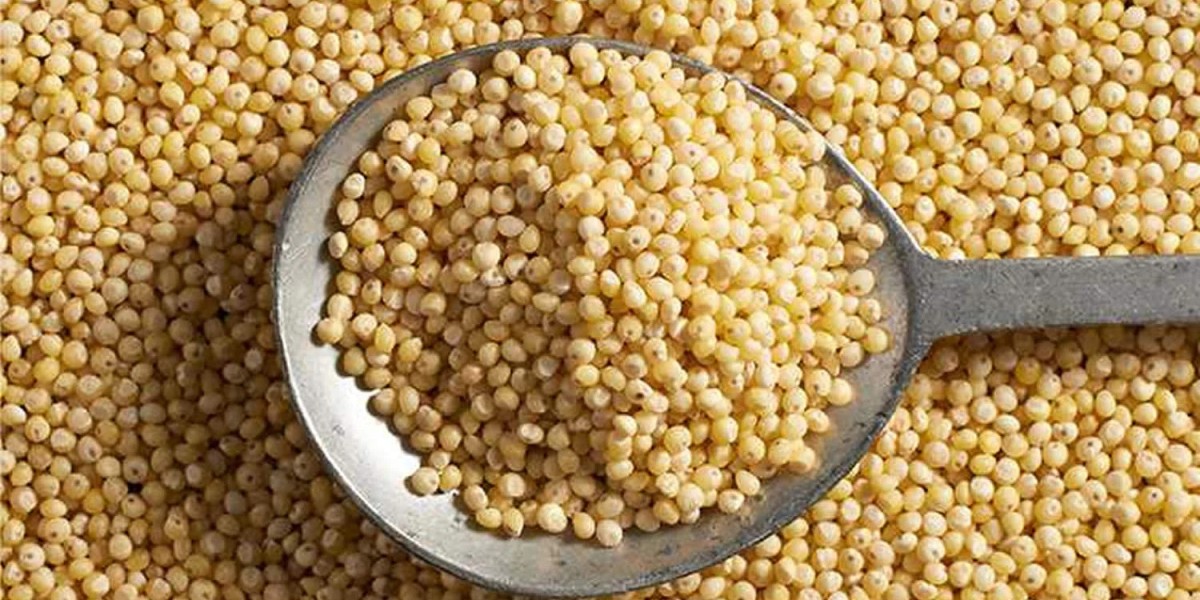

Kodo millet is a traditional cereal which has been in cultivation for thousands of years, especially in India and certain regions of Africa. Kodo millet has a scientific name of Paspalum scrobiculatum and ranks among the less popular millets; however, it has immense nutritional as well as agricultural uses. Kodo millet has been a traditional source of food for the rural population living in arid and semi-arid regions for long. Currently, it has reclaimed its position because of the increased use of a healthy diet all over the world.
Historical and Cultural Significance
Kodo millet has long been practiced in traditional farming systems. Kodo millet has also been used in India since ancient times and is cited in historical texts as a source of staple food during times of drought and adverse climatic conditions. Kodo millet was also used by farmers because it is hardy and low-maintenance. Its contribution in traditional cuisine, particularly in tribes and rural India, cannot be ruled out since it was used to prepare porridge, bread, and fermented foods.
Agricultural Characteristics and Sustainability Agriculture
Kodo millet is also a valuable source as it requires fewer water and soil standards for growth and can be easily cultivated in poor soil with less water. Moreover, it does not need extensive water and chemical fertilization like other important cereal crops like wheat and rice. Thus, it is a very environment-supporting plant for promoting sustainable farming. Its disease and pest resistance also helps in minimizing the need to use chemical pesticides.
Nutritional Constituents of Kodo Millet
Kodo millet is recognized as a very nutritious crop due to its high content of necessary nutritional elements. Kodo millet is a good source of complex carbohydrates, thus providing high energy. The millet is also rich in dietary fibers, thus helping in maintaining a healthy digestive system as well as stabilizing sugar content in the blood. Kodo millet possesses high fiber when compared to polished rice, thus making it a more healthful choice.
Alongside carbs and fiber, kodo millet also has a good proportion of plant-based proteins. Therefore, this grain is very useful for people who eat vegetables rather than meats. The grain also has key mineral components such as iron, calcium, magnesium, and phosphorus. All these components are very essential in the body. Iron helps in the transportation of oxygen in the blood.
Health Benefits and Disease Prevention
Kodo millet is advised for people who aim at improving and maintaining their health naturally. It contains a low glycemic index and can be recommended for people suffering from diabetes because it prevents the development of sudden increases in blood sugar levels. High levels of fibers found in the grain contribute to the fullness feeling that could prevent people from overeating.
The availability of antioxidants within kodo millet ensures a certain level of protection from oxidation, which is associated with aging and illnesses. The food may also help promote a healthy cardiovascular system by reducing the amount of bad cholesterols and improving circulation. Kodo millet is a recommended food to consume if one is a sufferer from a gluten intolerance because it is naturally gluten-free.
Role in Modern Diets Flax
With increasing awareness about a balanced diet and healthy eating habits, kodo millet is slowly finding a place in most kitchens. Nutrition and health experts recommend that people consume millets as a healthy addition to their diet. Kodo millet can easily replace rice or wheat in most recipes and can find a place in most diet menus. It has a mildly sweet taste that can easily blend with any cuisine.
Consumers in urban areas are also showing increased interest in ‘ancient grains’. Kodo millet is apt in this category because of its health and eco-friendly properties.
Culinary Usage and Versatility There
Kodo millet is very versatile, and it can be prepared in numerous ways. One can boil it like rice, make flour out of it, or make it ferment. It is commonly used to make khichdi, idli, dosa, and porridge, all of which are very popular cuisine preparations in many countries. It is very versatile due to its ability to absorb other flavors.
If processed properly, kodo millet not only possesses a yummy taste but also a wonderful texture. Furthermore, with new food processing methods available today, kodo millet is easier to clean than before.
Conclusion
kodo millet is much more than an ancient grain; it is an exemplary source showing how traditional foods can be supportive in modern needs related to health. The high nutritional values combined with sustainability and efficiency make it an attractive supplement in modern foods. As people are in search of healthy and sustainable food options in the future, kodo millet emerges as an exemplary source in engaging with healthy and sustainable foods in their diet. We can move ahead by including kodo millet in our foods in order to join the healthy and sustainable eating community.