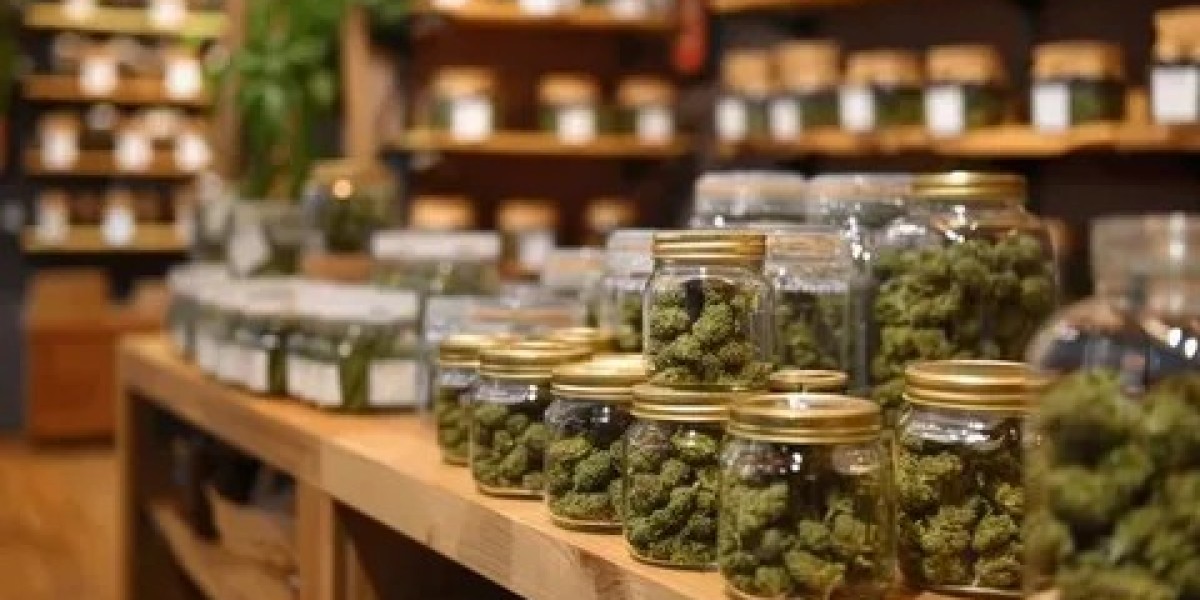

The phrase “cannabis dispensary near me” is commonly used to describe interest in learning about legally regulated cannabis retail locations within a specific area. Rather than referring to a single place, the term reflects a broader idea: licensed dispensaries operating under state and local laws to distribute approved cannabis products in a controlled, accountable manner. Understanding what a cannabis dispensary is, how it functions, and its role in the community helps clarify why these businesses are structured so carefully.
What a Cannabis Dispensary Is
A cannabis dispensary is a legally authorized retail location permitted to distribute cannabis products under a regulated framework. These dispensaries operate only in jurisdictions where cannabis has been legalized for medical or adult-use purposes, depending on local laws. They differ significantly from unregulated or illegal sellers because they are required to follow strict rules related to safety, documentation, and accountability.
Dispensaries are designed to function as professional retail environments, emphasizing compliance, transparency, and responsible operations. Their purpose is not only commercial but also regulatory, helping governments manage how cannabis is distributed within legal boundaries.
Regulation and Legal Oversight
One of the most important aspects of any cannabis dispensary is regulation. Laws govern nearly every part of dispensary operations, including licensing, product sourcing, security, testing, labeling, and recordkeeping. These regulations vary by state and municipality, which is why dispensaries often look and operate differently from one region to another.
Regulatory oversight is intended to protect public health and ensure that cannabis products entering the legal market meet established quality and safety standards. Inspections, audits, and reporting requirements are common features of this system, reinforcing accountability.
Product Standards and Quality Control
Cannabis dispensaries are required to sell products that meet state-mandated testing and labeling standards. Products are typically evaluated for potency, consistency, and contaminants by licensed laboratories before they reach retail shelves. Clear labeling helps ensure transparency and traceability throughout the supply chain.
Quality control is a defining feature of the regulated market. By following standardized procedures, dispensaries help distinguish legal products from those sold outside the regulated system, where oversight may be absent.
Professional Retail Environment
The design and operation of a cannabis dispensary reflect its status as a regulated business. Layouts are usually structured to support secure transactions, controlled access, and clear visibility. Surveillance systems, secure storage areas, and access restrictions are common, reflecting regulatory requirements rather than aesthetic choices.
Staff members are typically trained to understand compliance rules and operational procedures. Professional conduct and adherence to policy are essential, as dispensaries are regularly reviewed by regulatory authorities.
Role in the Local Economy
A cannabis dispensary near a community contributes to the local economy in several ways. These businesses create jobs, generate tax revenue, and often partner with local suppliers, contractors, and service providers. In regions where cannabis is legal, dispensaries can be part of a larger network that includes cultivation, processing, transportation, and compliance services.
Because many dispensaries are locally owned and operated, they may reinvest in the community through employment opportunities and local business partnerships. This economic impact is often a key consideration for municipalities when establishing cannabis-related policies.
Community Presence and Responsibility
Dispensaries are expected to operate responsibly within their neighborhoods. This includes following zoning rules, maintaining clean and professional storefronts, and respecting operating-hour restrictions. Many dispensaries emphasize being good neighbors by minimizing disruption and complying with local ordinances.
Community responsibility can also involve participation in local discussions about regulation, business standards, and public concerns. Clear communication and consistent compliance help build trust between dispensaries, residents, and local officials.
Distinction Between Legal and Illegal Markets
Understanding the concept of a cannabis dispensary near me also involves recognizing the difference between regulated and unregulated markets. Legal dispensaries operate under oversight designed to promote safety and transparency. In contrast, illegal markets operate outside these systems and do not follow testing, labeling, or accountability standards.
The regulated dispensary model exists to provide a structured alternative that aligns with public policy goals, including consumer protection and controlled distribution.
Evolving Industry and Regulations
The cannabis industry continues to evolve as laws, research, and public attitudes change. Dispensaries must adapt to new regulations, updated testing requirements, and revised operational guidelines. This ongoing evolution means that dispensaries are constantly refining their practices to remain compliant.
Regulatory changes may affect everything from packaging rules to reporting systems, making adaptability an essential part of dispensary operations.
Education and Awareness
While dispensaries are retail businesses, they also function as points of information within the legal framework. Clear signage, standardized labeling, and transparent policies contribute to public understanding of how regulated cannabis markets work. This emphasis on clarity supports informed awareness without promoting misuse or misunderstanding.
Education, in this context, is about understanding laws, standards, and responsibilities rather than encouraging behavior.
Conclusion
The idea of a “cannabis dispensary near me” represents more than proximity—it reflects a regulated system designed to manage cannabis distribution responsibly. Through strict oversight, professional operations, and community engagement, dispensaries operate as part of a broader legal and economic framework. By focusing on compliance, safety, and accountability, cannabis dispensaries play a defined role within jurisdictions where cannabis is legal, contributing to transparency and structure in an evolving industry.